 ×

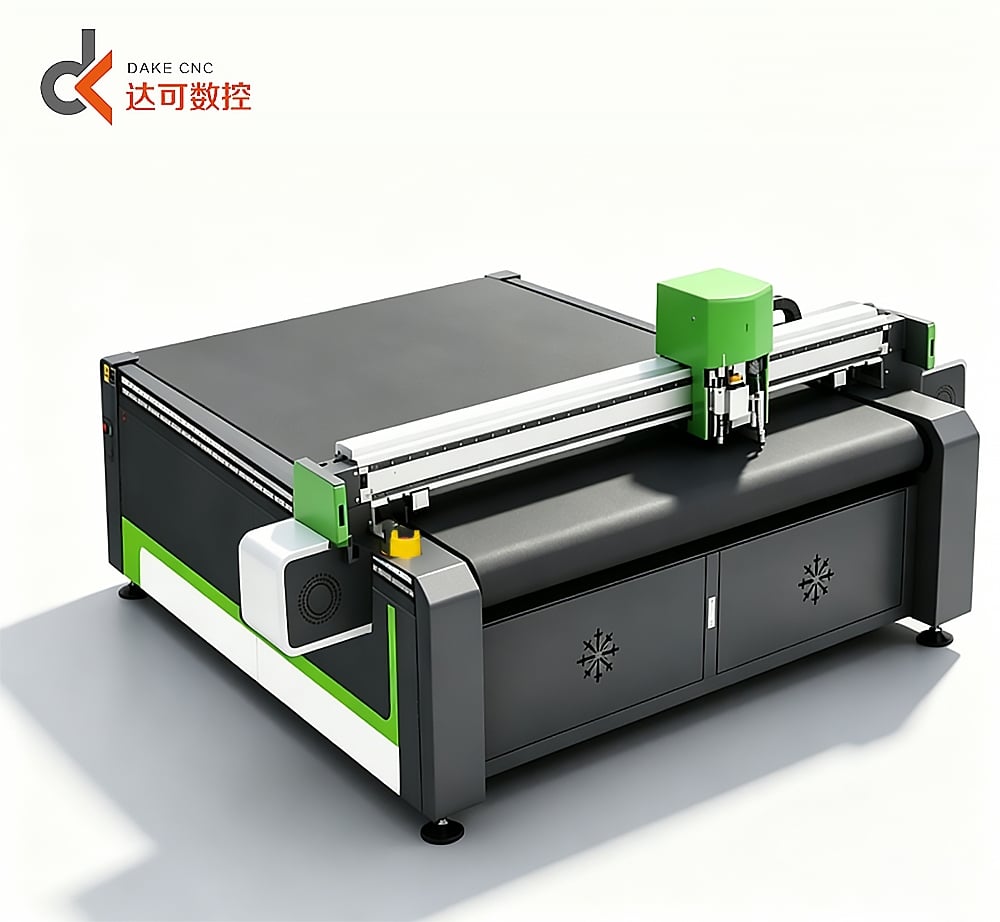
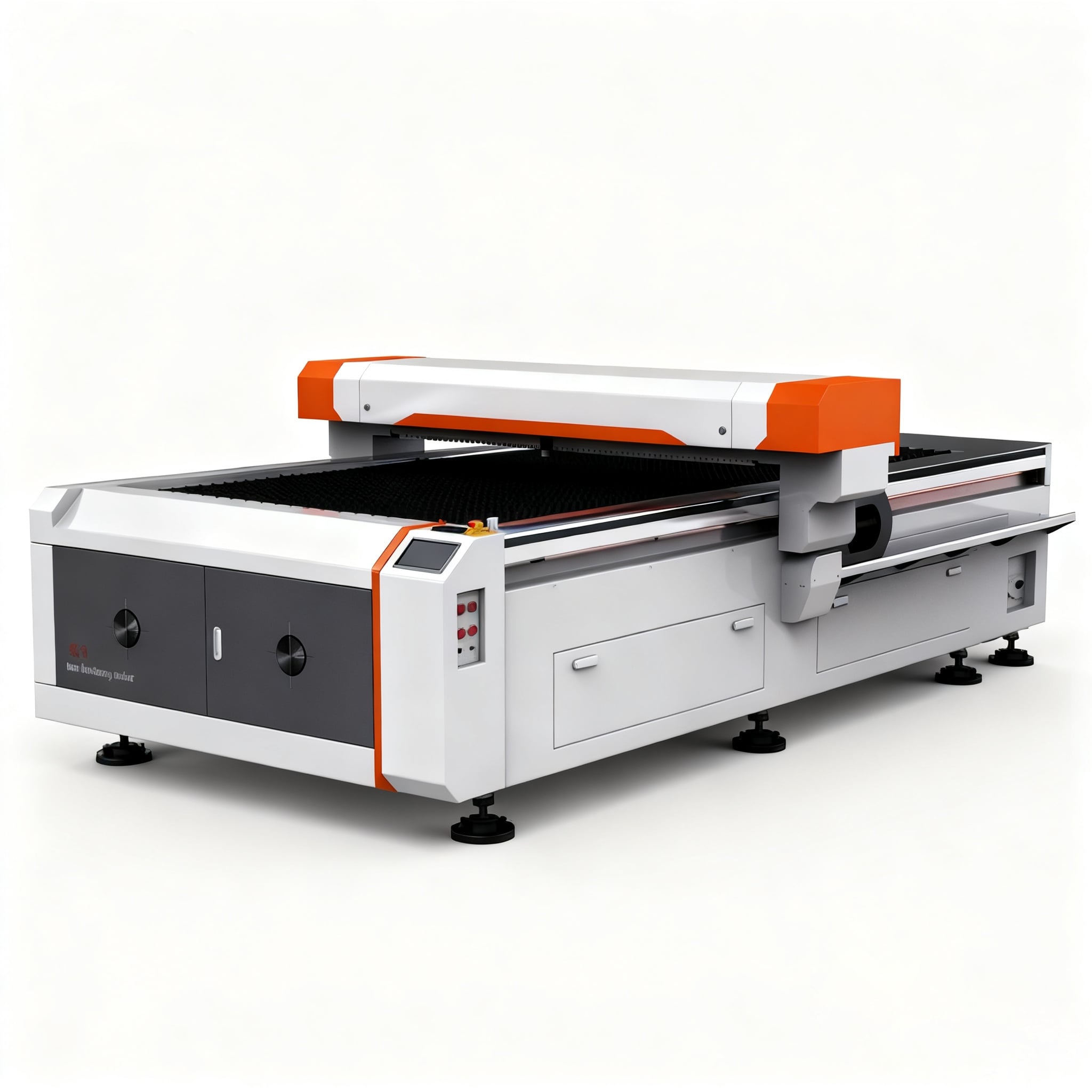
A carbon fiber cutter represents a specialized precision tool designed to handle some of the most demanding materials in modern manufacturing. When working with high-strength composite materials, the challenges are significant: traditional cutting methods often fail, producing delamination, fiber pullout, and surface degradation. Understanding how a carbon fiber cutter addresses these challenges is essential for any facility working with advanced composites in aerospace, automotive, or industrial applications. This article explores the mechanical principles, design features, and operational strategies that enable a carbon fiber cutter to successfully process high-strength materials without compromising quality or structural integrity.
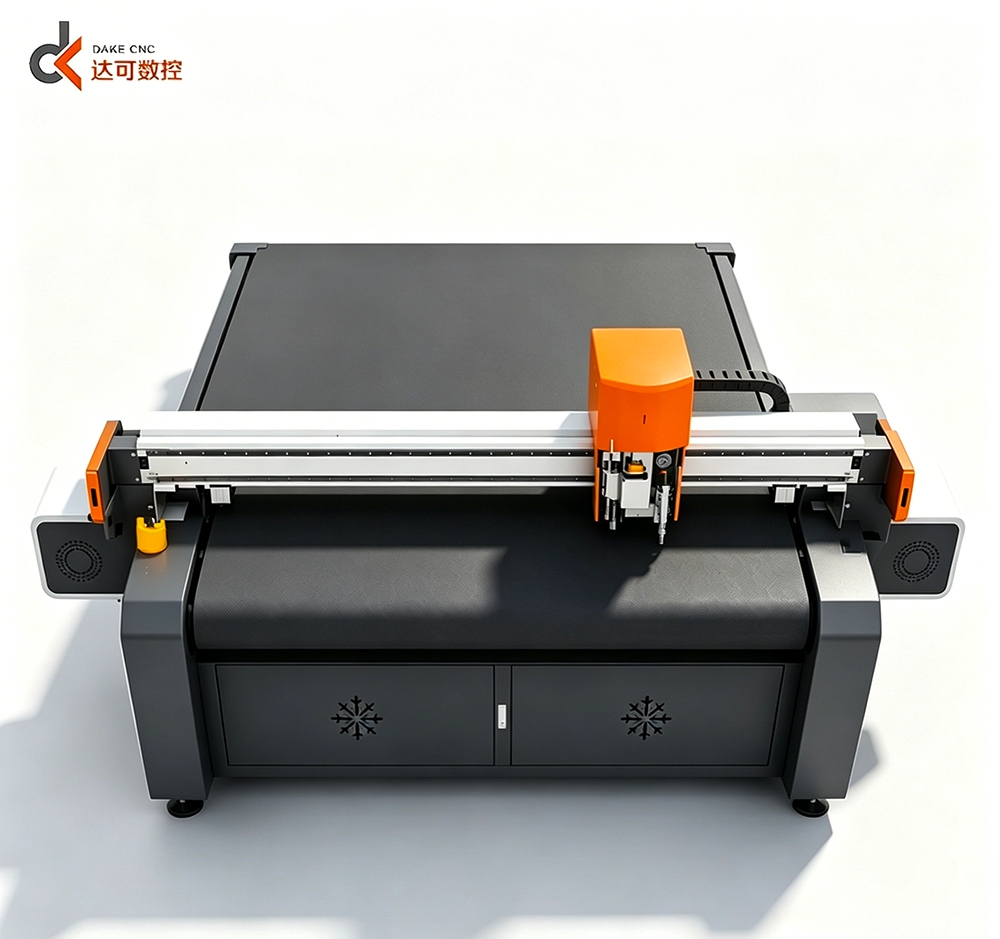
The effectiveness of any carbon fiber cutter depends on understanding the unique material properties that make composite cutting complex. Carbon fiber reinforced polymers combine extreme tensile strength with brittleness, meaning they resist stretching but resist bending poorly and fracture under lateral stress. A carbon fiber cutter must therefore employ techniques that minimize lateral forces, control heat generation, and maintain consistent feed rates. Modern equipment combines advanced blade geometry, optimized spindle speeds, and precision guidance systems to create the controlled cutting environment that high-strength materials demand.
Carbon fiber composites consist of continuous or chopped fiber reinforcement embedded in a resin matrix. This heterogeneous structure creates unique cutting challenges that a standard carbon fiber cutter must address. The fibers run in specific directions, and cutting across the grain differs fundamentally from cutting parallel to fiber orientation. When a carbon fiber cutter encounters fibers perpendicular to the cutting path, it must sever individual fibers cleanly while containing the resin matrix. Misalignment or improper technique causes the resin to fracture ahead of the blade, creating delamination where layers separate internally.
High-speed cutting generates friction heat that can degrade the polymer matrix surrounding carbon fibers. Unlike metal cutting, where some heat dissipates through chips, a carbon fiber cutter must manage thermal stress without overheating the workpiece. Excessive heat softens the resin, weakens fiber-matrix bonding, and can create burn marks or discoloration. Advanced carbon fiber cutter designs incorporate cooling systems, optimized cutting speeds, and feed rate controls to maintain temperature within acceptable ranges. Waterjet and coolant-assisted cutting represent alternative approaches that a carbon fiber cutter operator might employ when thermal management becomes critical for high-precision applications.
The blade material is fundamental to carbon fiber cutter performance. Diamond-coated blades offer superior hardness and edge retention, making them ideal for high-volume production where a carbon fiber cutter operates continuously. Polycrystalline diamond (PCD) blades combine extreme hardness with shock resistance, resisting fracture when encountering hard carbon fiber bundles. Ceramic blades provide a more economical alternative for lower-volume work, though they require more frequent replacement. A carbon fiber cutter operator must select blade type based on production volume, material thickness, and cost constraints. Proper blade maintenance, including regular inspection for chipping and edge damage, extends service life and maintains cut quality.
How a carbon fiber cutter blade is ground determines whether cuts will be clean or ragged. Sharp blade geometry with appropriate hook angle and relief angle minimizes lateral deflection and fiber pullout. A carbon fiber cutter designed for composites typically features a negative or neutral hook angle, which provides better support for brittle fibers during cutting. The blade diameter, thickness, and TPI (teeth per inch) all influence how aggressively a carbon fiber cutter can advance through the workpiece. Larger diameter blades moving at lower speeds produce cleaner cuts in thick laminates, while smaller blades at higher speeds suit thinner composites. Multi-blade configurations allow a carbon fiber cutter to score the surface before the primary blade cuts through, reducing splintering and improving surface finish.
Proper spindle speed is critical to carbon fiber cutter success. Too-fast rotation risks burning the resin and causing delamination; too-slow operation causes fiber breakage and rough edges. A quality carbon fiber cutter operates within a narrow speed window, typically 5,000 to 15,000 RPM depending on blade size and material thickness. Feed rate must be controlled precisely—too aggressive and the blade overloads, too conservative and friction heat accumulates. Modern carbon fiber cutter systems employ variable-frequency drives, programmable logic controllers, and real-time load monitoring to maintain optimal parameters automatically. Operators can adjust settings on-the-fly based on material feedback, sound signature, and visual observation of the cut quality.
A carbon fiber cutter must maintain rigid support and minimize vibration to produce precise cuts in brittle materials. Bearing quality, spindle runout, and structural stiffness all affect the final cut accuracy. Excessive vibration causes chatter marks, fiber breakage, and dimensional variation that reject finished parts. Advanced carbon fiber cutter designs employ precision ball bearings, balanced spindles, and damping materials to eliminate vibration sources. Workpiece clamping must be firm and evenly distributed to prevent lifting or creeping during the cut. Some carbon fiber cutter systems include dynamic load sensing, which adjusts spindle speed in real-time if vibration exceeds safe thresholds, protecting both the blade and the workpiece.
When a carbon fiber cutter performs routing or profiling operations, precise speed and feed control becomes even more critical because the blade must handle varying cutting engagement as it moves along the profile. Tool paths should minimize radial forces and avoid abrupt direction changes. A carbon fiber cutter used for profiling benefits from climb milling approaches when equipment stability allows, where the blade cuts downward rather than upward, reducing fiber pullout and surface disruption. Finishing passes at lower feed rates clean up material left by rough cuts, improving dimensional accuracy and surface quality. Multi-stage cutting—rough cut with aggressive parameters, then finishing cuts with conservative settings—represents a best practice for achieving tight tolerances with a carbon fiber cutter.
Through-cutting composite panels with a carbon fiber cutter requires managing delamination at the exit side of the cut. As the blade breaks through the final plies, the resin can crack ahead of the blade, separating layers. Backing material placed behind the workpiece provides support, preventing exit delamination when a carbon fiber cutter cuts through. Some shops use sacrificial plies or composite backing boards. Reducing feed rate as the blade approaches the exit side helps minimize damage. A carbon fiber cutter operator should inspect both sides of through-cuts carefully—exit delamination often exceeds entrance damage and represents a common quality issue if not actively managed.
A carbon fiber cutter incorporates specialized blade materials (typically diamond or ceramic), optimized cutting geometry, and precise speed/feed control systems designed specifically for composite materials. Standard metal cutting tools operate at different speeds and have blade designs unsuitable for composites. A carbon fiber cutter's blade shape minimizes lateral forces that would cause fiber separation and matrix cracking, which standard tools cannot prevent. The equipment also maintains tighter tolerances on spindle runout and vibration because composites require less mechanical disruption than metal to maintain quality.
While a carbon fiber cutter is primarily optimized for carbon fiber reinforced polymers, it can also handle glass fiber and aramid composites with parameter adjustments. The fundamental principles remain the same: controlling heat, minimizing lateral forces, and using sharp cutting edges. However, a carbon fiber cutter may need different blade materials or speeds for glass fiber composites, which are generally softer but more susceptible to matrix degradation. Aramid fibers are tougher and create different cutting loads, requiring separate optimization. Always verify that a carbon fiber cutter manufacturer has tested their equipment on the specific composite type you plan to cut.
Blade replacement frequency depends on cutting volume, material thickness, and production speed. A carbon fiber cutter with a PCD blade might run for 100 to 500 hours before sharpening is needed, while ceramic blades require more frequent maintenance. High-production facilities typically replace blades before they dull significantly to maintain consistent quality. A carbon fiber cutter operator should inspect blades regularly for chipping, discoloration, or performance degradation. Professional sharpening services can restore blade edge geometry, though repeated sharpening eventually makes replacement necessary. Tracking blade runtime helps predict replacement intervals and prevents quality issues from worn blades.
 Hot News
2026-10-24
2026-10-20
2026-10-16
2026-10-12
2026-10-08
2026-09-24
JINAN DAKE provides industrial CNC laser cutting machines for packaging, advertising, leather & acoustic board applications. 10+ years expertise, 5000+ units shipped, R&D-driven precision. Request a quote today.
Room 507, Building 1, Hisense Innovation Valley, Shunhua Road Subdistrict, Jinan City,Shandong Province,China
Copyright © 2026 Jinan DAKE CNC Equipment Co.,Ltd All rights reserved. Privacy Policy

 EN