 ×

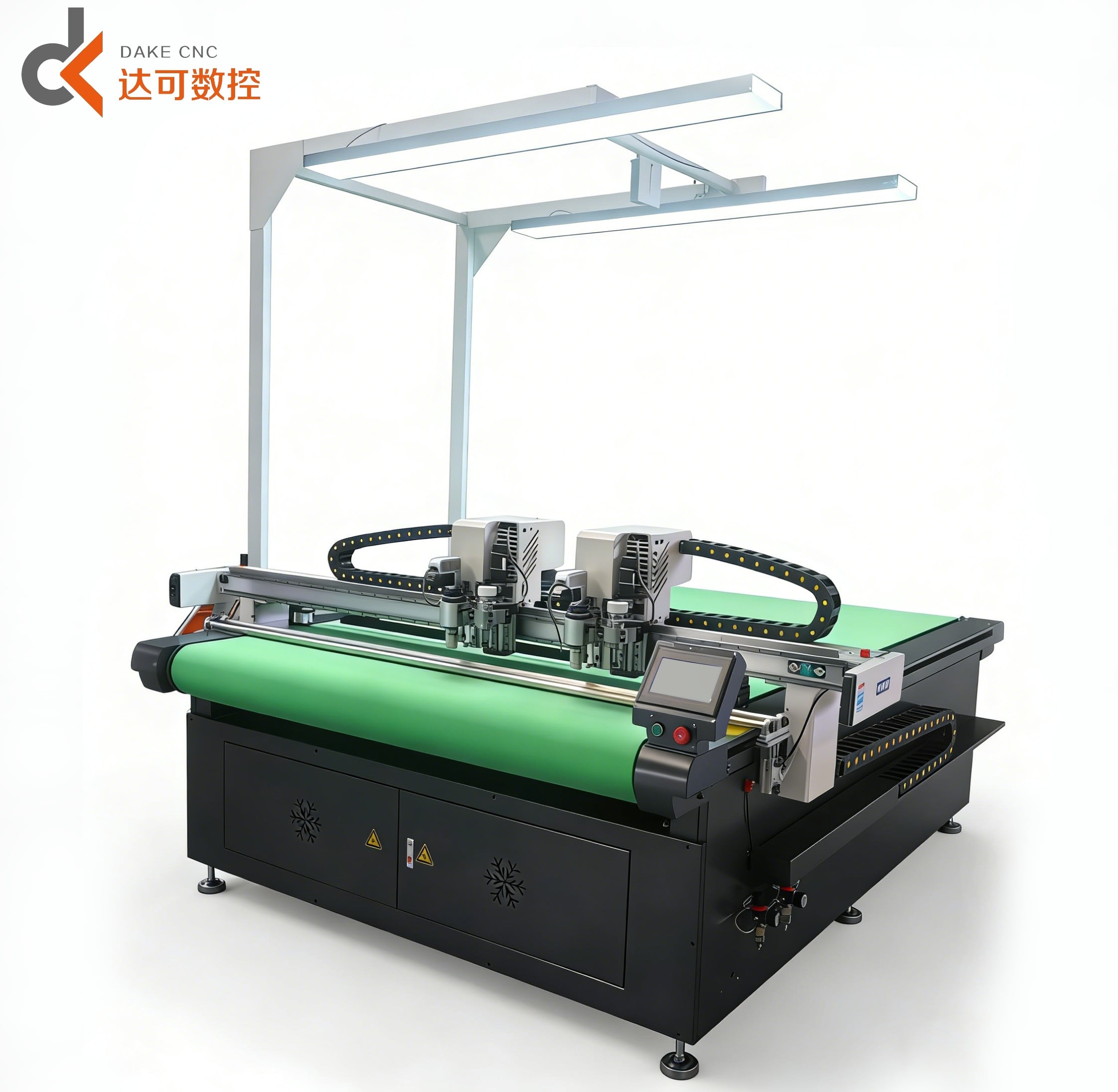
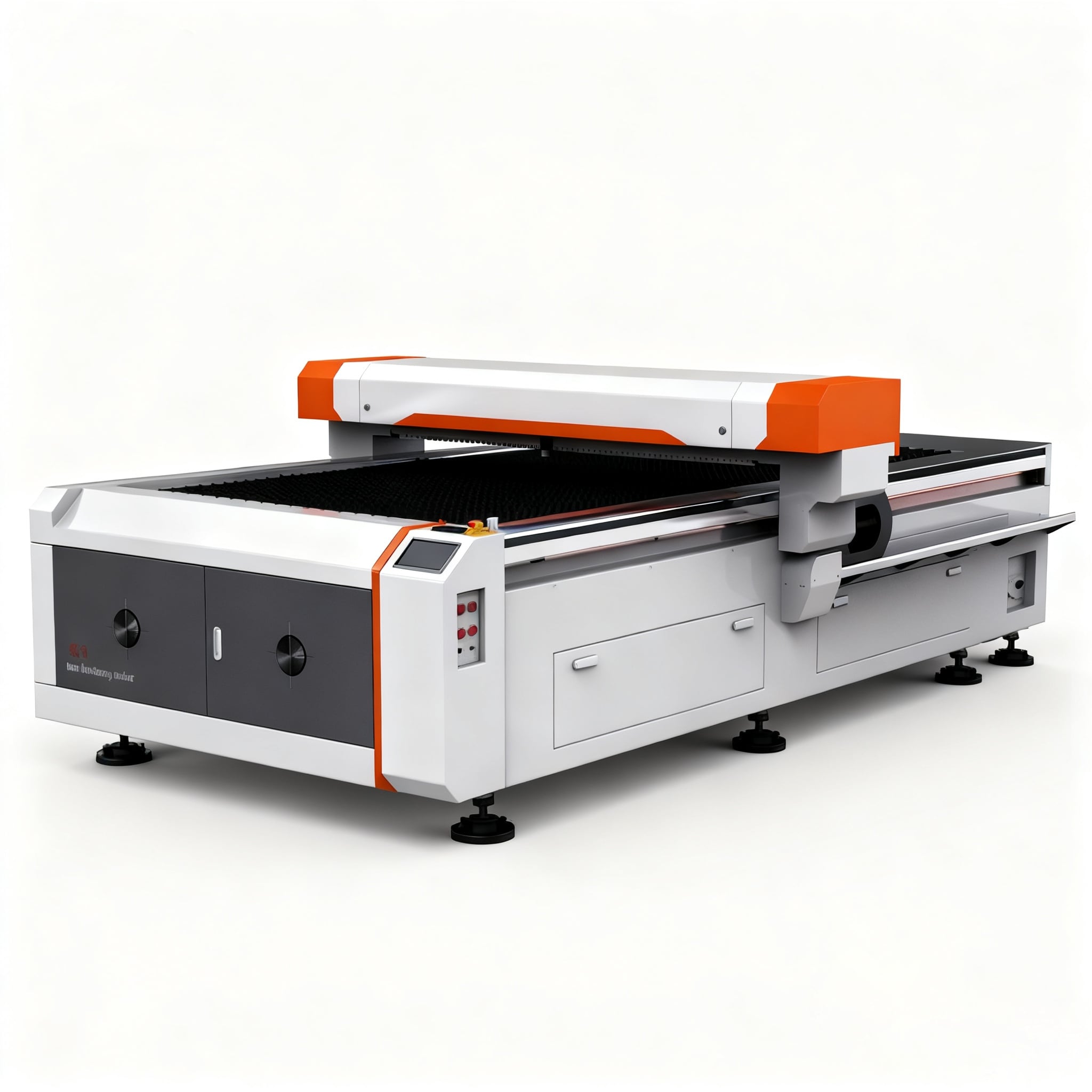
The industrial landscape demands precision and reliability when working with advanced composite materials, and a carbon fiber cutter has become indispensable across multiple sectors. From aerospace manufacturing to automotive production, organizations recognize that investing in proper carbon fiber cutter technology directly impacts product quality, operational efficiency, and bottom-line profitability. Understanding where and why a carbon fiber cutter delivers measurable value helps procurement teams, production managers, and engineering departments make informed decisions about capital equipment allocation.
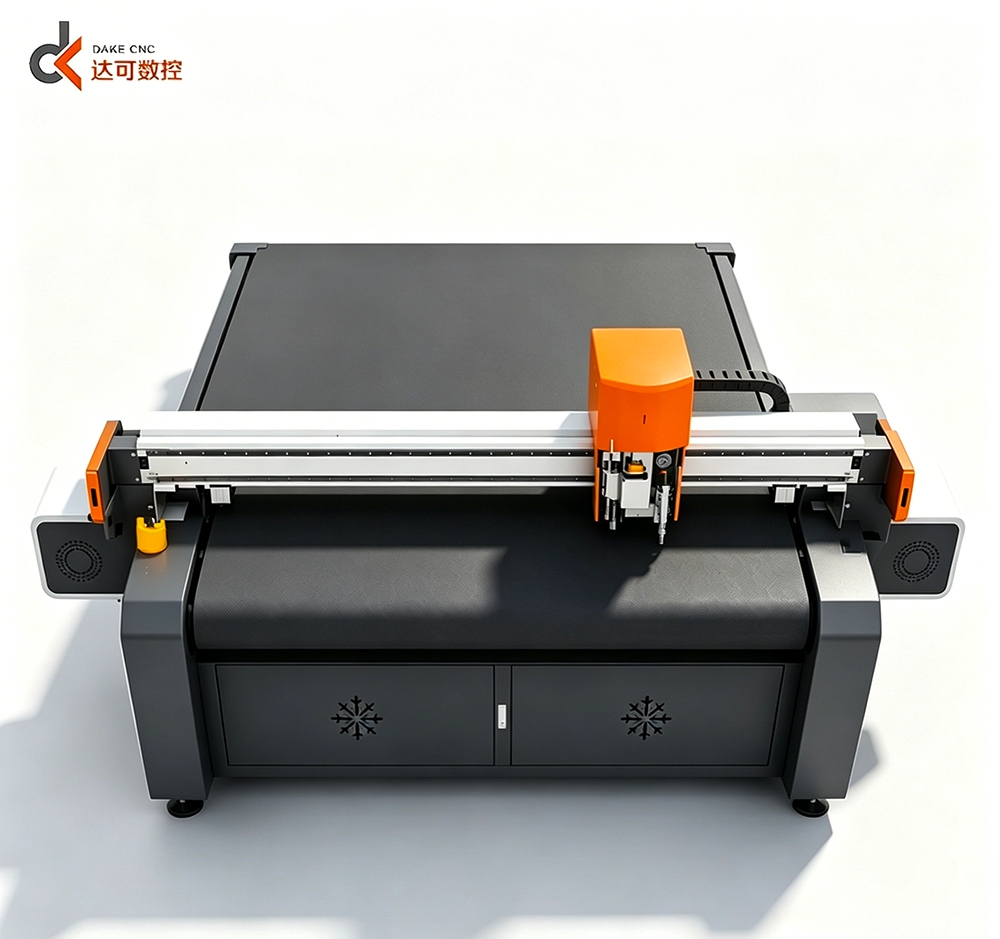
Modern manufacturing environments cannot afford delays, material waste, or quality inconsistencies. A specialized carbon fiber cutter eliminates the production bottlenecks and defects that hand tools or generic cutting equipment introduce. This precision-driven approach translates into faster turnaround times, reduced scrap rates, and improved workforce safety. The applications where a carbon fiber cutter proves essential span industries that depend on composite materials for performance-critical components.
Aerospace engineers specify carbon fiber composites for their exceptional strength-to-weight ratios and thermal resistance. Fabricating aircraft fuselage sections, wing components, and structural reinforcements requires a carbon fiber cutter that delivers clean edges without delamination or fiber pull-out. When a carbon fiber cutter operates at optimal precision, manufacturers meet strict aerospace qualification standards, reduce rework cycles, and accelerate certification timelines. The financial impact is substantial: a single production delay in aerospace manufacturing costs tens of thousands of dollars per day.
Aerospace specifications demand tolerances measured in fractions of a millimeter. A carbon fiber cutter equipped with advanced control systems maintains these tolerances consistently across production runs. When composite parts fit together perfectly, assembly teams work faster, joint integrity improves, and the final aircraft structure meets performance benchmarks. Without proper tooling like a dedicated carbon fiber cutter, manufacturers face rejected parts, costly rework, and schedule pressure that cascades through the supply chain.
Automotive manufacturers are increasingly turning to carbon fiber composites to reduce vehicle weight and improve fuel efficiency. A carbon fiber cutter enables production of components such as body panels, chassis reinforcements, and interior trim pieces. The automotive sector values speed and consistency, and a carbon fiber cutter delivers both through automated, repeatable cutting cycles. Electric vehicle manufacturers particularly depend on lightweight materials, making a carbon fiber cutter a strategic investment in their competitive strategy.
Tier-one automotive suppliers recognize that a carbon fiber cutter reduces labor costs and production cycle time compared to manual cutting methods. When a carbon fiber cutter operates unattended during shifts, suppliers maximize output without proportional increases in workforce overhead. This operational leverage allows manufacturers to quote more competitively while maintaining healthy margins. The cumulative effect across thousands of parts annually represents significant financial advantage for operations that invest in proper cutting technology.
Wind turbine blade manufacturers produce massive composite structures where a carbon fiber cutter serves critical functions in both pre-manufacturing trimming and post-production finishing. Precision cutting of carbon-reinforced epoxy structures ensures blade aerodynamics remain within design specifications. A carbon fiber cutter also supports the growing repair and maintenance market as aging wind turbines require structural restoration. The renewable energy sector's expansion directly increases demand for capable cutting equipment.
The medical device industry employs carbon fiber composites in surgical instruments, orthopedic implants, and diagnostic equipment housings. A carbon fiber cutter meets biocompatibility requirements by producing clean surfaces free from contamination or fiber debris. Precision cutting ensures devices meet biomedical standards without secondary finishing operations that introduce risk. In specialized engineering applications ranging from sporting goods to robotics, a carbon fiber cutter enables rapid prototyping and custom production runs that manual methods cannot support economically.
High-end consumer products increasingly incorporate carbon fiber components for aesthetics, durability, and weight reduction. Smartphone accessories, protective cases, and premium sporting equipment manufacturers rely on a carbon fiber cutter to produce finished components that meet consumer quality expectations. When a carbon fiber cutter operates with precision, manufacturers eliminate visible defects, uneven edges, and rough surfaces that diminish product appeal. This application segment continues expanding as consumer demand for premium composite products grows globally.
A carbon fiber cutter standardizes results across production runs, ensuring every component meets design specifications. This consistency reduces inspection time, minimizes material waste, and builds customer confidence in product reliability. When manufacturers deploy a carbon fiber cutter, they establish predictable processes that support lean manufacturing principles and continuous improvement initiatives. The quality gains translate into fewer customer complaints, reduced warranty costs, and stronger market reputation.
Manual cutting methods introduce significant scrap rates, particularly when cutting complex geometries from expensive carbon fiber composites. A carbon fiber cutter with intelligent nesting capabilities maximizes material utilization and minimizes waste. The raw material cost savings alone often justify equipment investment within 18 to 24 months of operation. Combined with reduced labor requirements and faster production cycles, a carbon fiber cutter delivers compelling return on investment for mid to high-volume manufacturing operations.
Carbon fiber dust and particles present respiratory hazards when workers manually cut composites. A carbon fiber cutter operates in controlled environments with integrated dust collection systems, significantly improving workplace safety. Automated cutting equipment reduces repetitive strain injuries and worker exposure to hazardous materials. Manufacturers using a carbon fiber cutter demonstrate commitment to occupational safety standards and reduce liability exposure related to worker health claims.
Organizations should evaluate whether their production volumes justify a carbon fiber cutter investment. Generally, operations cutting more than 500 composite parts monthly find automation economically viable. When production demands fluctuate seasonally, a carbon fiber cutter provides flexibility to scale output without corresponding staffing increases. High-mix, low-volume producers also benefit when a carbon fiber cutter supports rapid setup changes and quick-turnaround custom orders that competitors cannot fulfill efficiently.
Different carbon fiber composite formulations require different cutting approaches. A carbon fiber cutter system must accommodate the specific resins, fiber orientations, and thicknesses that your applications demand. Complex geometries with curves, angles, and internal features necessitate a carbon fiber cutter with sophisticated control capabilities. Simpler linear cuts on uniform materials may rely on more basic equipment, but as product complexity increases, investing in advanced carbon fiber cutter technology becomes essential to maintain quality and efficiency.
A carbon fiber cutter delivers superior precision, consistency, and speed compared to hand tools or basic saws. Manual methods introduce edge defects, delamination, and fiber pull-out that compromise part quality. A carbon fiber cutter maintains tight tolerances, reduces material waste, and eliminates operator fatigue. The investment pays dividends through faster production, fewer defects, and improved workplace safety, making automated cutting technology the industry standard for serious manufacturers.
Aerospace, automotive, wind energy, medical device, and consumer electronics manufacturers all gain significant advantages from a carbon fiber cutter. Any sector that produces high-volume composite components with tight tolerances finds automated cutting essential. A carbon fiber cutter supports rapid prototyping and custom production in specialized engineering and sporting goods applications. Industries focused on quality, cost control, and production efficiency recognize that a carbon fiber cutter is not optional equipment but a competitive necessity.
Evaluate your monthly production volumes, current cutting costs, scrap rates, and quality rejection percentages. If you process more than 500 carbon fiber components monthly, a carbon fiber cutter typically offers positive return on investment within two years. Consider whether your current methods struggle to meet tolerance requirements or production deadlines. If manual cutting creates bottlenecks, generates excessive waste, or compromises part quality, implementing a carbon fiber cutter addresses these challenges directly and positions your operation for sustainable growth.
 Hot News
2026-10-24
2026-10-20
2026-10-16
2026-10-12
2026-10-08
2026-09-24
JINAN DAKE provides industrial CNC laser cutting machines for packaging, advertising, leather & acoustic board applications. 10+ years expertise, 5000+ units shipped, R&D-driven precision. Request a quote today.
Room 507, Building 1, Hisense Innovation Valley, Shunhua Road Subdistrict, Jinan City,Shandong Province,China
Copyright © 2026 Jinan DAKE CNC Equipment Co.,Ltd All rights reserved. Privacy Policy

 EN