 ×

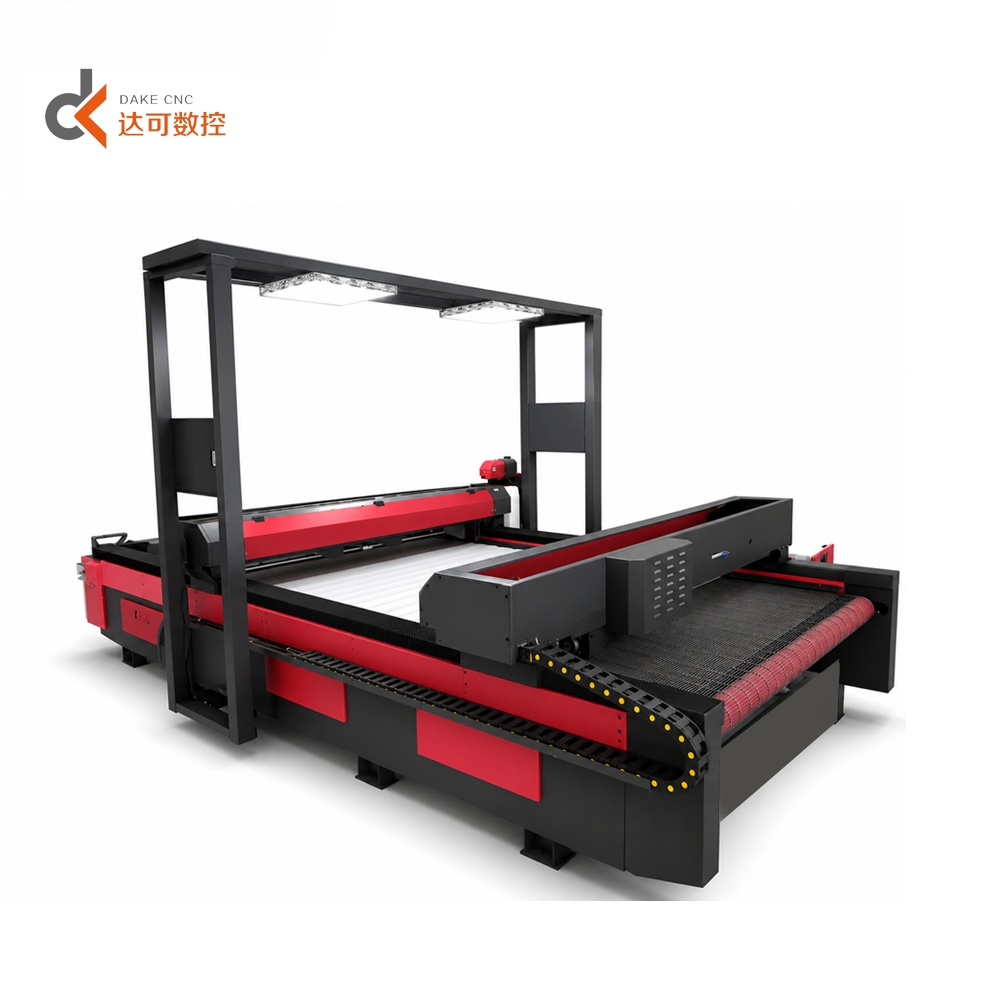
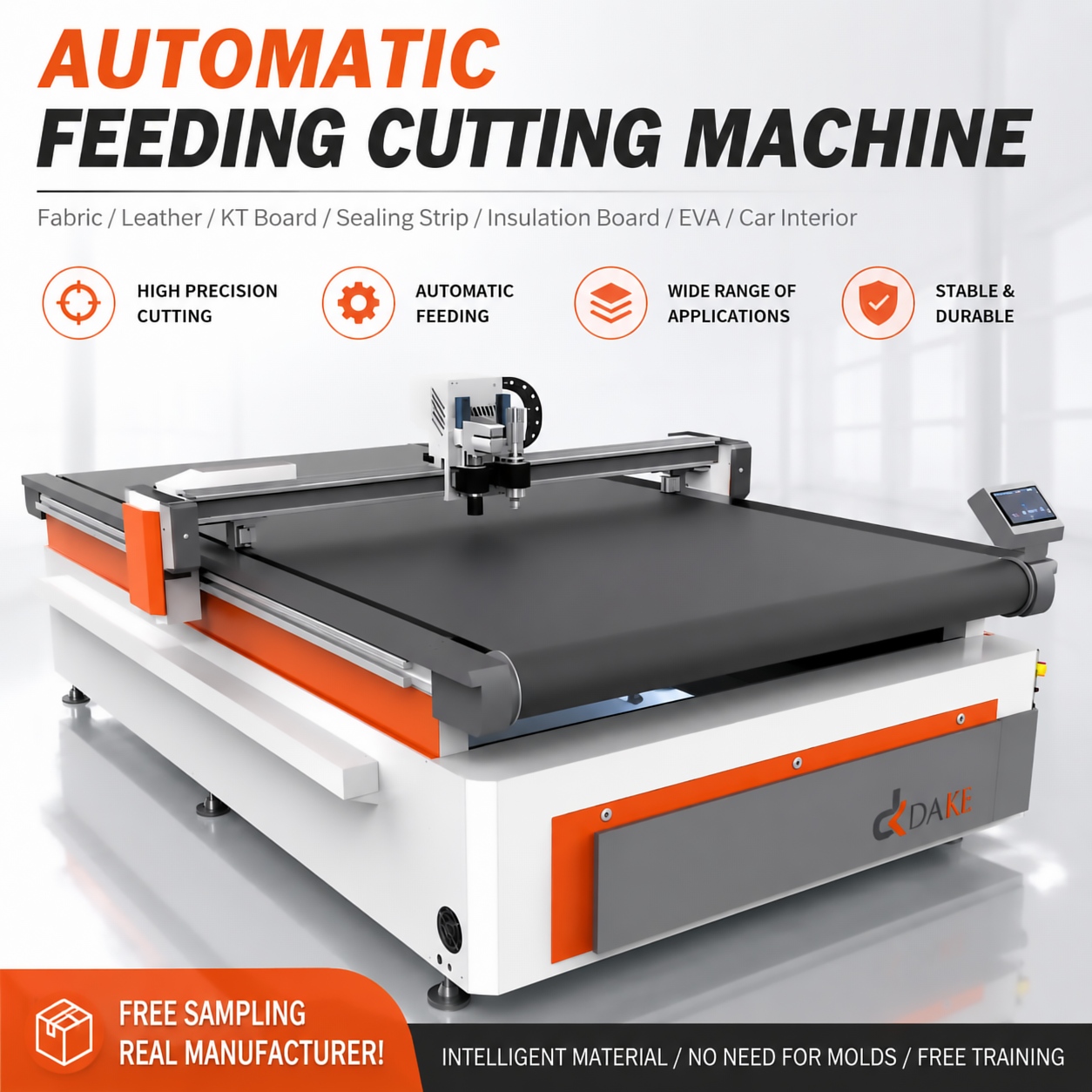
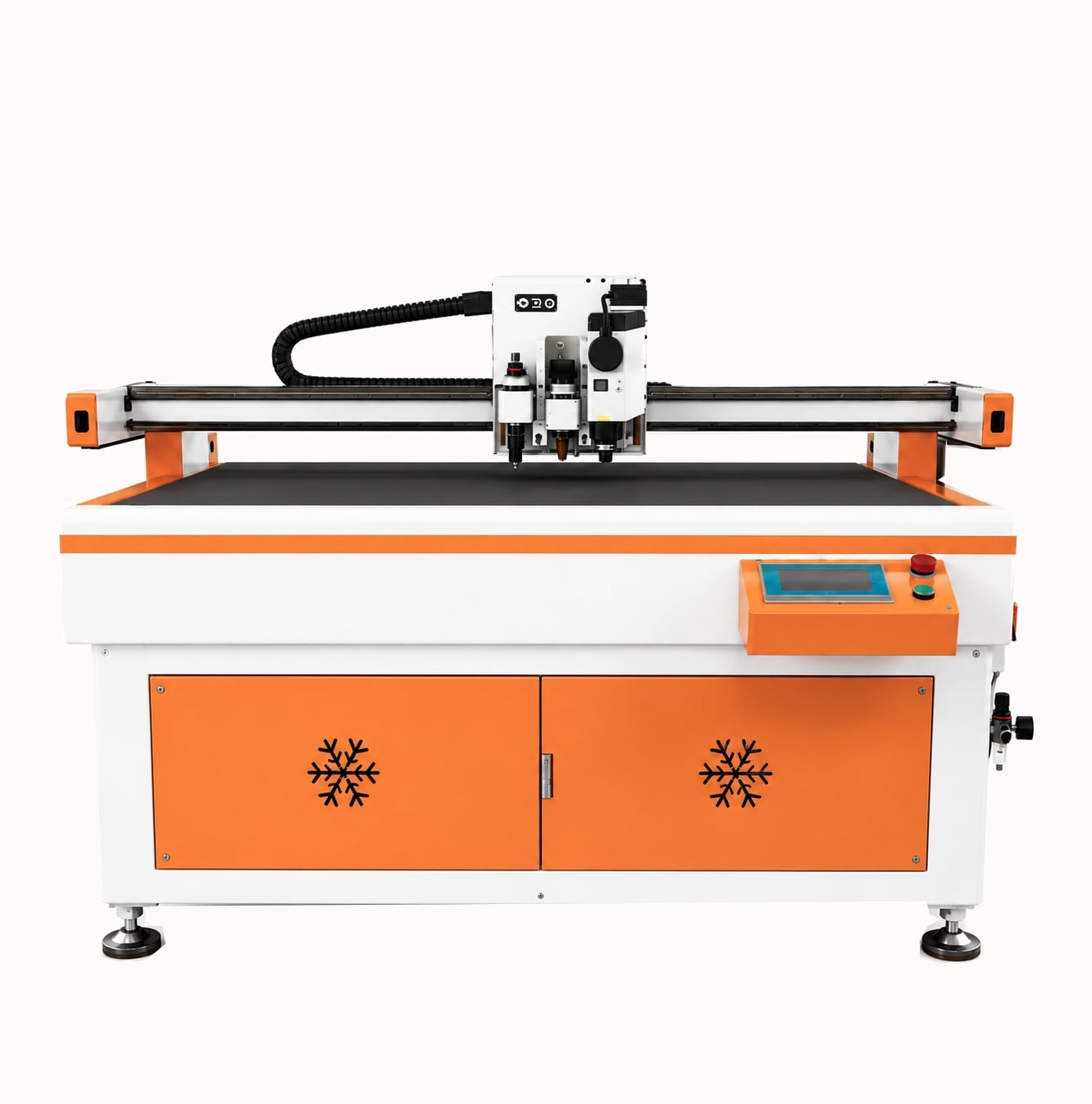
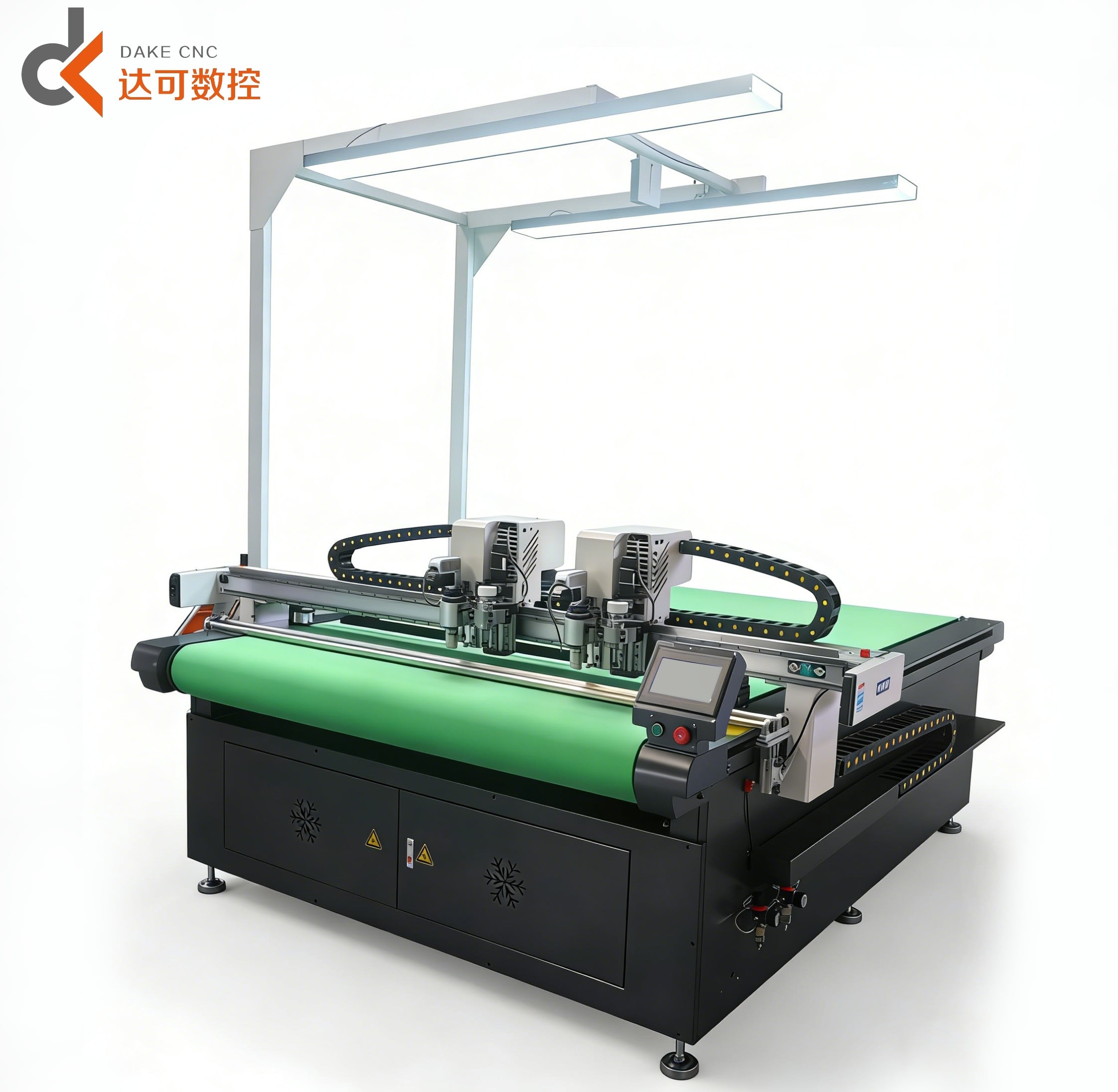
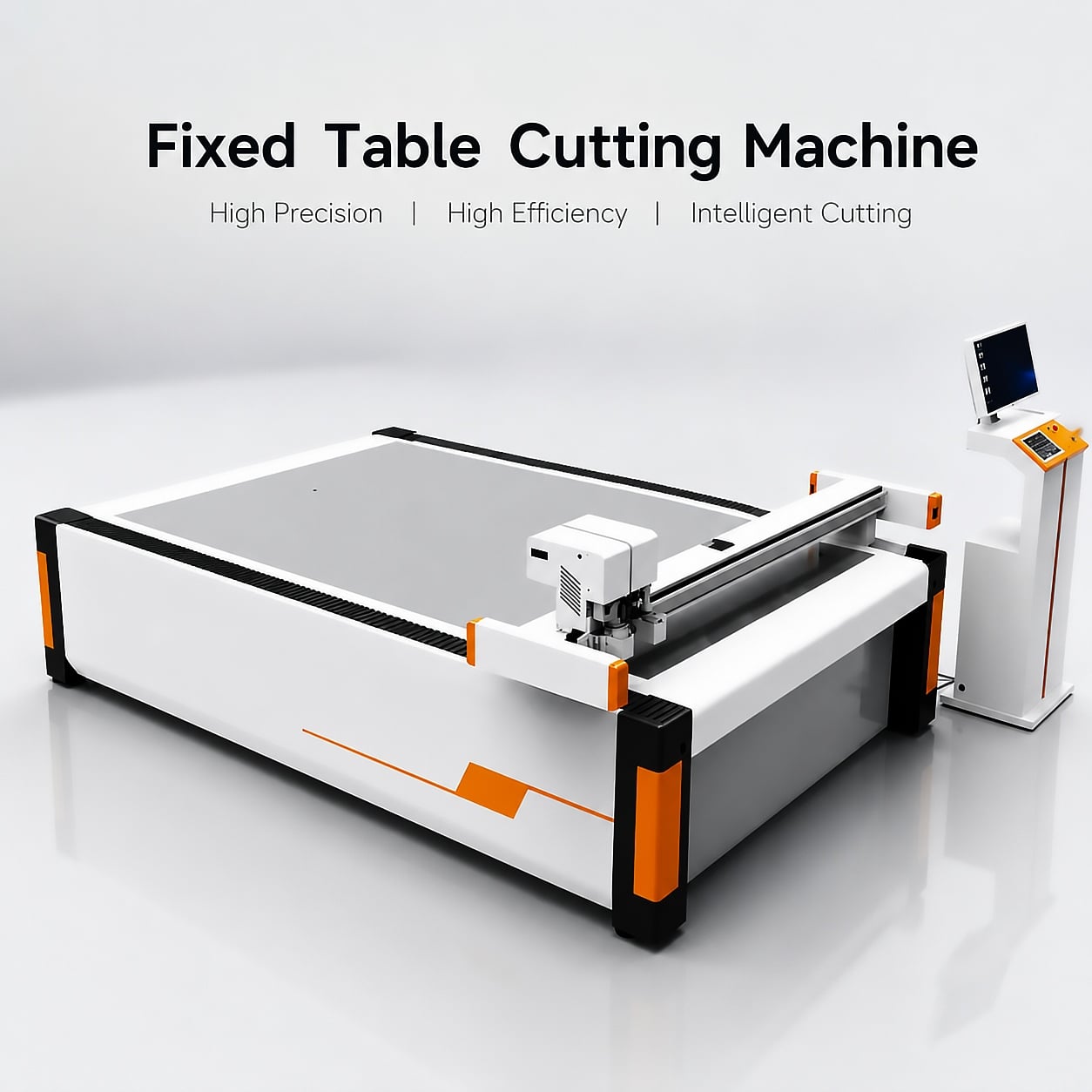
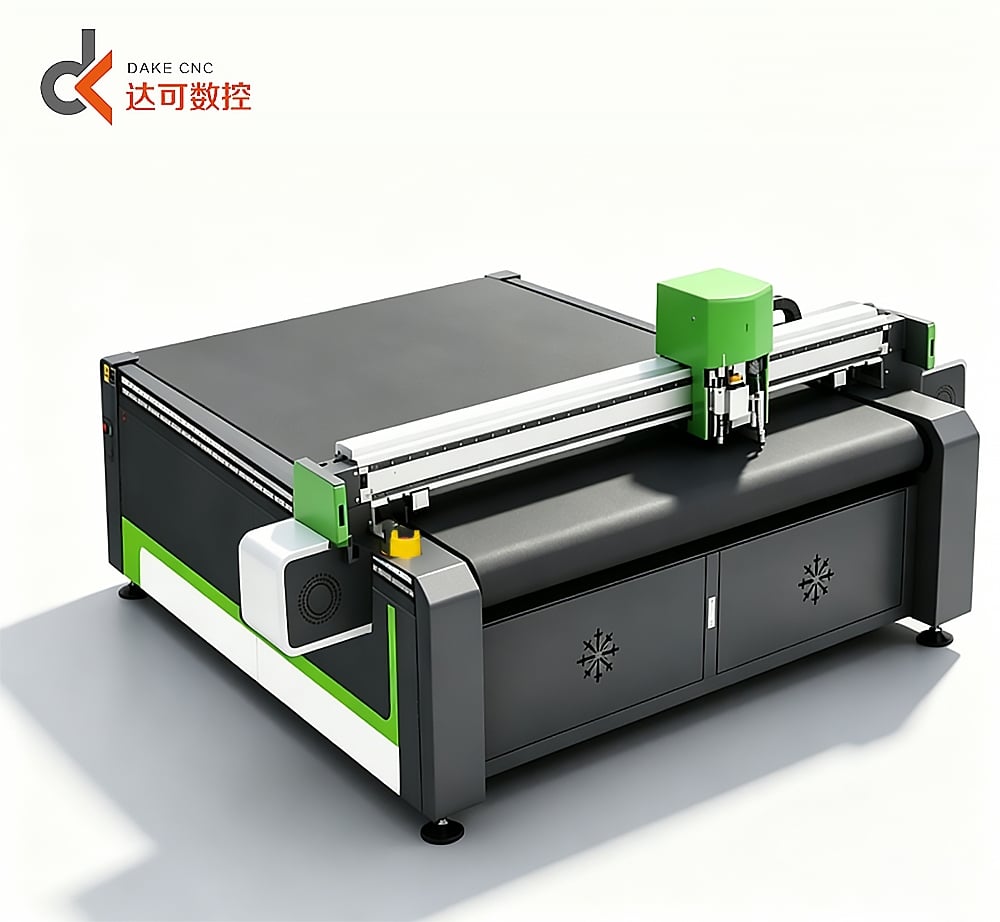
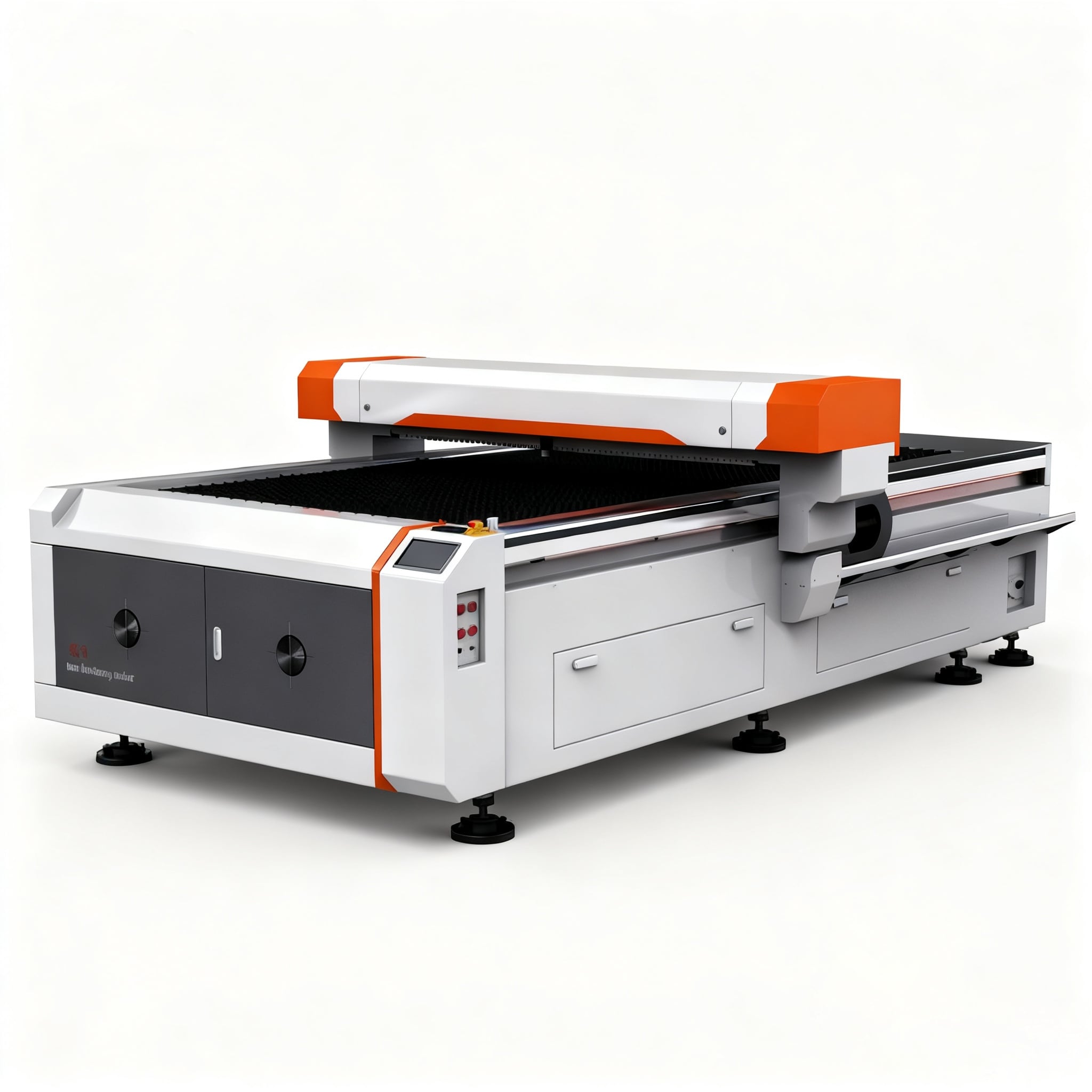
Modern manufacturing depends on specialized equipment designed to handle advanced materials with precision and efficiency. The carbon fiber cutter has become essential across multiple industrial sectors where composite materials dominate production workflows. These cutting systems address the unique challenges posed by carbon fiber and other composite materials, which require specialized tooling, techniques, and operational protocols different from traditional metal fabrication.
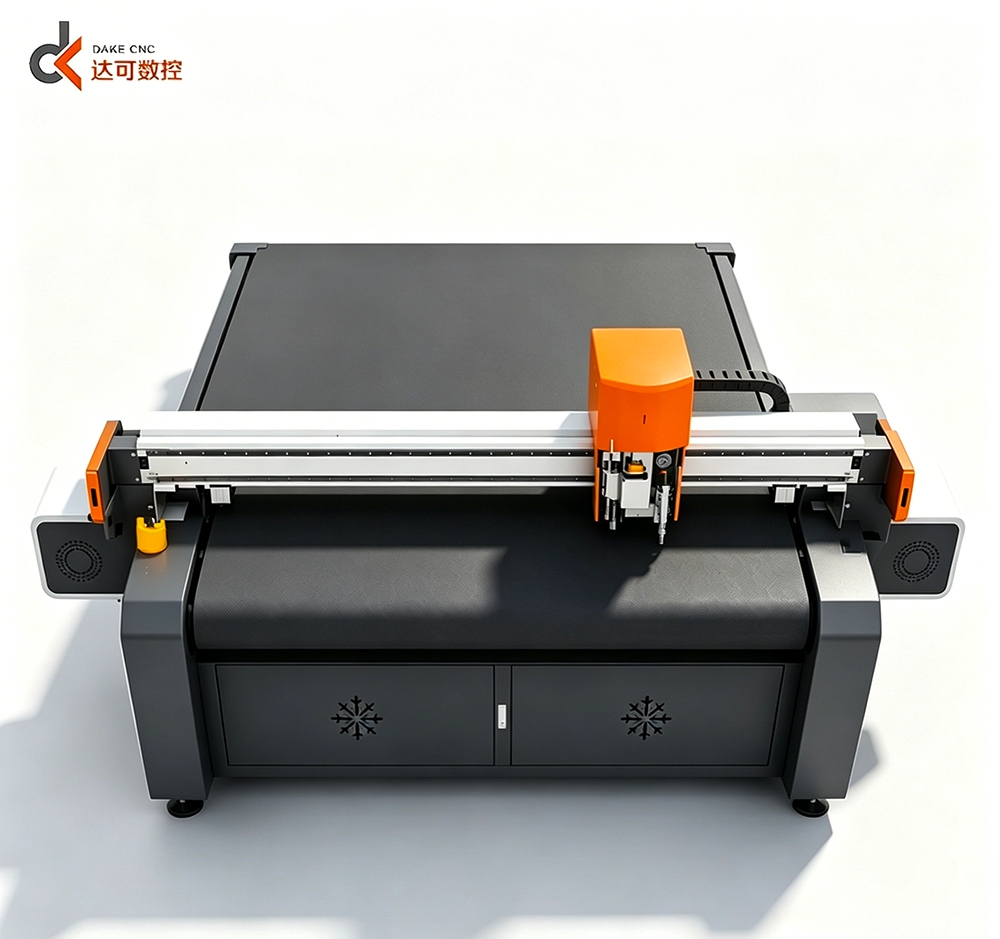
Understanding which industries depend on carbon fiber cutter technology reveals the scope of composite material adoption in contemporary manufacturing. A carbon fiber cutter performs critical functions by enabling clean, precise cuts that maintain material integrity while reducing waste and production time. The technology has transformed how manufacturers in diverse sectors approach design implementation, prototyping, and full-scale production of composite-based components.
The aerospace industry represents one of the largest consumers of carbon fiber cutter systems worldwide. Aircraft manufacturers require carbon fiber cutter equipment to produce fuselage sections, wing components, tail assemblies, and internal structural elements. A carbon fiber cutter enables the precision required for aerospace applications where dimensional accuracy directly impacts flight safety, fuel efficiency, and structural performance. Commercial aircraft programs depend on carbon fiber cutter technology to manage high production volumes while maintaining strict quality standards and weight specifications.
Military aircraft production equally relies on carbon fiber cutter systems for stealth components, structural frames, and advanced composite structures. Defense contractors utilize carbon fiber cutter machines to achieve the tight tolerances necessary for mission-critical applications. The carbon fiber cutter's ability to process carbon fiber fabric, prepreg materials, and composite laminates makes it indispensable for rapid prototyping and low-volume specialized aircraft components.
Helicopter manufacturers depend on carbon fiber cutter technology for rotor blades, fuselage panels, and structural reinforcements. The carbon fiber cutter enables manufacturers to cut rotor blade blanks from carbon fiber sheets with minimal distortion or fraying. Rotorcraft applications demand exceptional precision because blade balance directly affects vibration levels and operational performance. A carbon fiber cutter provides the consistency required across production runs while reducing manual finishing work and material waste.
The automotive industry increasingly adopts carbon fiber cutter technology for high-performance and electric vehicle production. Manufacturers use carbon fiber cutter systems to produce body panels, chassis components, and interior structural elements that reduce vehicle weight while maintaining rigidity. Electric vehicle manufacturers particularly benefit from carbon fiber cutter equipment because weight reduction directly extends driving range and improves efficiency metrics. The carbon fiber cutter's precision cutting capabilities enable automotive producers to achieve consistent part geometry across large production batches.
Luxury and performance vehicle manufacturers rely on carbon fiber cutter machines to produce carbon fiber body kits, hood panels, and structural reinforcements. The carbon fiber cutter allows these manufacturers to create custom-fit components without the dimensional variability that manual cutting introduces. Vehicle manufacturers using carbon fiber cutter technology report improved production consistency, reduced scrap rates, and faster time-to-market for new composite component designs.
Racing teams and motorsports manufacturers depend on carbon fiber cutter systems to produce lightweight body panels, aerodynamic components, and chassis elements. A carbon fiber cutter enables rapid prototyping and iteration during vehicle development cycles where design changes occur frequently. Racing applications demand the highest precision because aerodynamic performance and structural efficiency are directly linked to competitive advantage. The carbon fiber cutter's speed and accuracy support the aggressive development timelines required in competitive motorsports.
Wind turbine manufacturers utilize carbon fiber cutter technology to produce blade components, structural reinforcements, and housing elements. The carbon fiber cutter enables producers to cut large composite sheets into precisely sized blanks for subsequent layup and molding operations. Wind energy manufacturers depend on carbon fiber cutter systems to achieve the dimensional consistency required for blade balance and aerodynamic performance. A carbon fiber cutter reduces material waste during production while maintaining the strength-to-weight ratios critical for wind turbine applications.
Sports equipment manufacturers rely on carbon fiber cutter machines for bicycles, golf clubs, tennis rackets, and other performance-oriented products. The carbon fiber cutter enables precise cuts of carbon fiber tubing and fabric that achieve the specific stiffness and weight characteristics each application demands. Consumer product manufacturers using carbon fiber cutter technology can respond quickly to design trends and customer preferences through rapid prototyping capabilities. A carbon fiber cutter supports both large-scale manufacturing and limited-edition specialty product lines.
Aerospace component suppliers and aftermarket service providers depend on carbon fiber cutter equipment for repair, maintenance, and component refurbishment operations. These organizations use carbon fiber cutter systems to produce replacement components that meet original equipment specifications. A carbon fiber cutter enables suppliers to work with existing composite structures, cutting sections for repair patches and structural reinforcements. The carbon fiber cutter's versatility supports both new component production and complex restoration work on aged aircraft structures.
Modern carbon fiber cutter equipment handles various composite materials including fiberglass, aramid fiber (Kevlar), glass-reinforced plastics, and hybrid composite laminates. A carbon fiber cutter's cutting mechanism adapts to material thickness and fiber orientation, making it suitable across composite applications. The carbon fiber cutter can process both dry fabrics and resin-impregnated materials, providing manufacturers flexibility in material selection for different production requirements.
A carbon fiber cutter dramatically reduces cutting time while eliminating dimensional variability that manual methods introduce. The carbon fiber cutter's automated positioning and cutting sequences enable operators to process multiple parts with identical geometry, reducing inspection and rework activities. Production facilities using carbon fiber cutter systems report 40-60% reductions in scrap material compared to manual cutting approaches. The carbon fiber cutter's consistency allows manufacturers to reduce safety margins and optimize material layouts, further improving cost efficiency.
Industries producing large quantities of composite components benefit most significantly from carbon fiber cutter investments, particularly aerospace, automotive, and renewable energy sectors. Organizations with diverse product lines or frequent design changes gain competitive advantages through the rapid prototyping capabilities a carbon fiber cutter provides. The carbon fiber cutter delivers the strongest return on investment in applications where material waste reduction, production consistency, and labor cost savings outweigh equipment acquisition and maintenance expenses.
 Hot News
2026-10-24
2026-10-20
2026-10-16
2026-10-12
2026-10-08
2026-09-24
JINAN DAKE provides industrial CNC laser cutting machines for packaging, advertising, leather & acoustic board applications. 10+ years expertise, 5000+ units shipped, R&D-driven precision. Request a quote today.
Room 507, Building 1, Hisense Innovation Valley, Shunhua Road Subdistrict, Jinan City,Shandong Province,China
Copyright © 2026 Jinan DAKE CNC Equipment Co.,Ltd All rights reserved. Privacy Policy

 EN