 ×

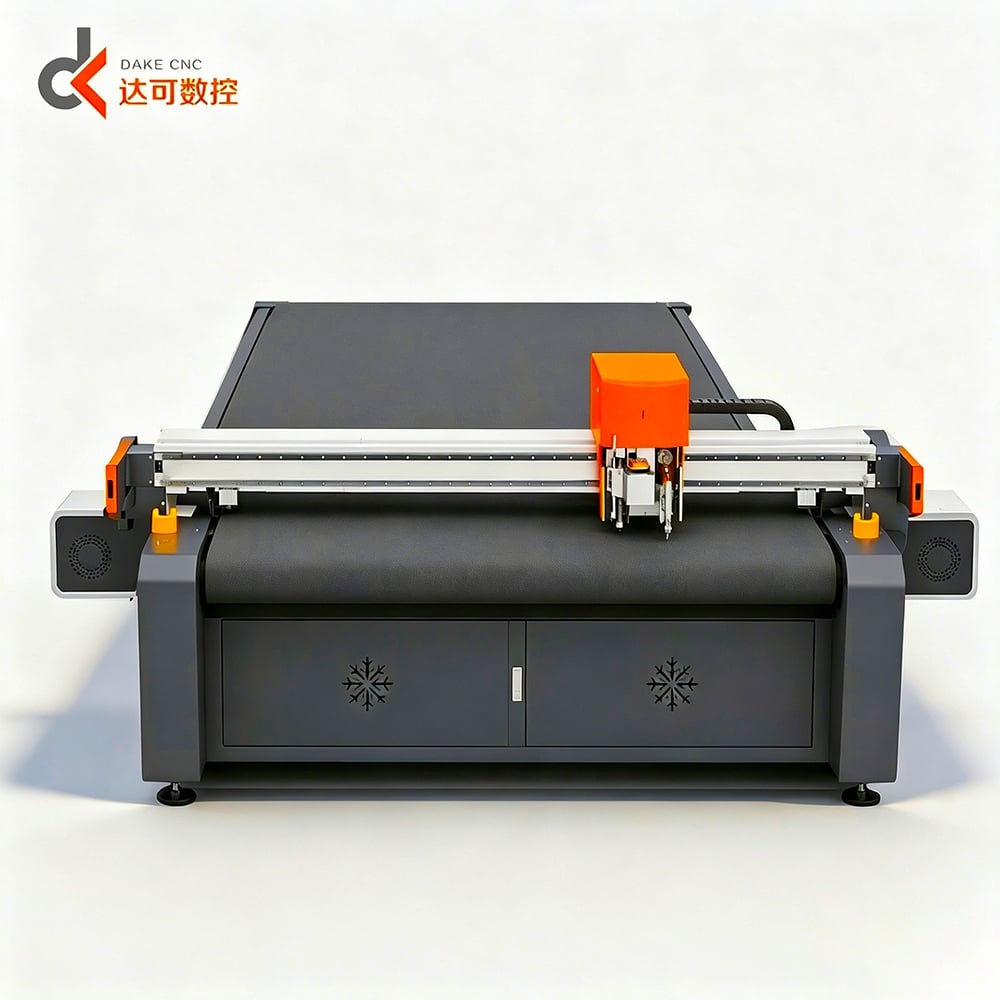
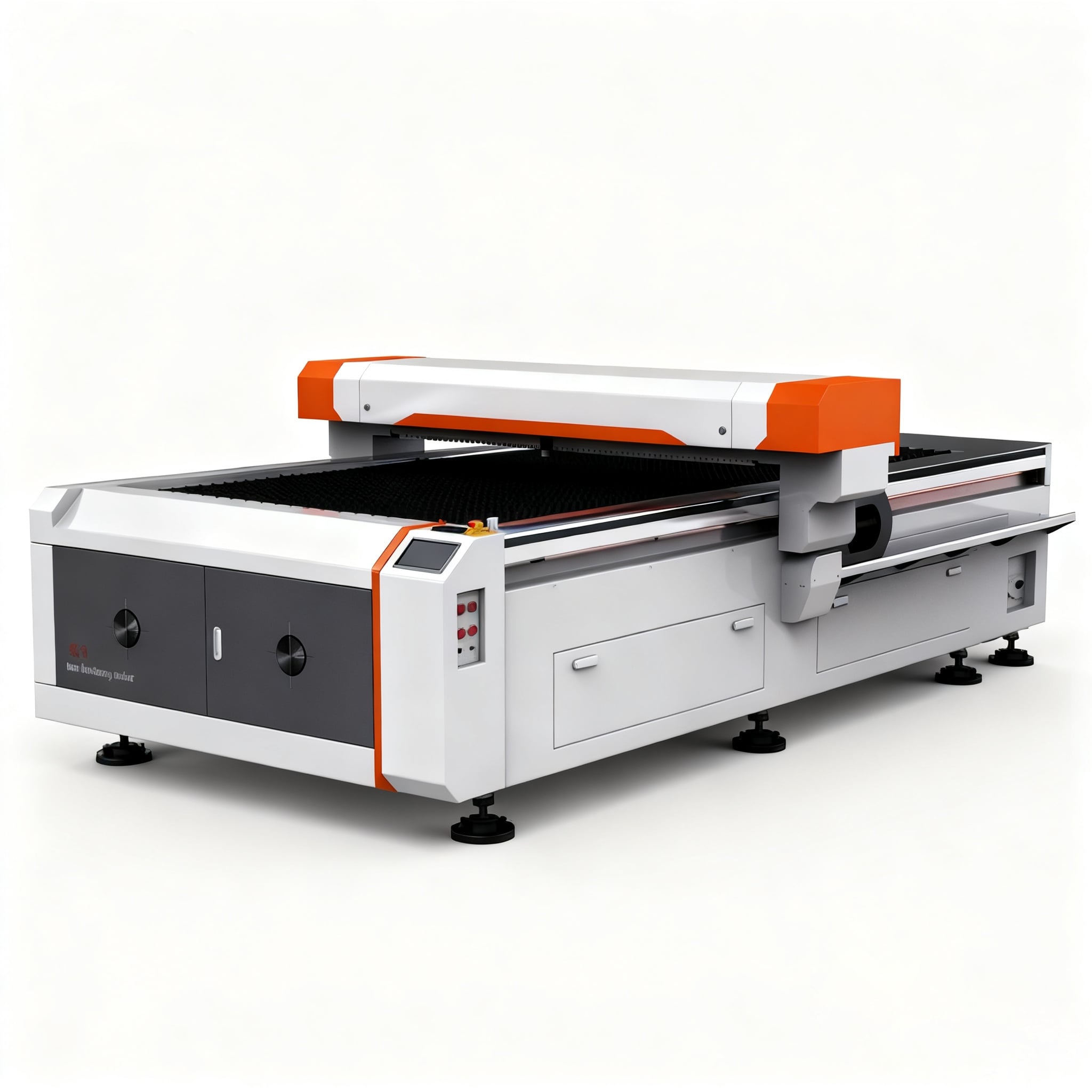
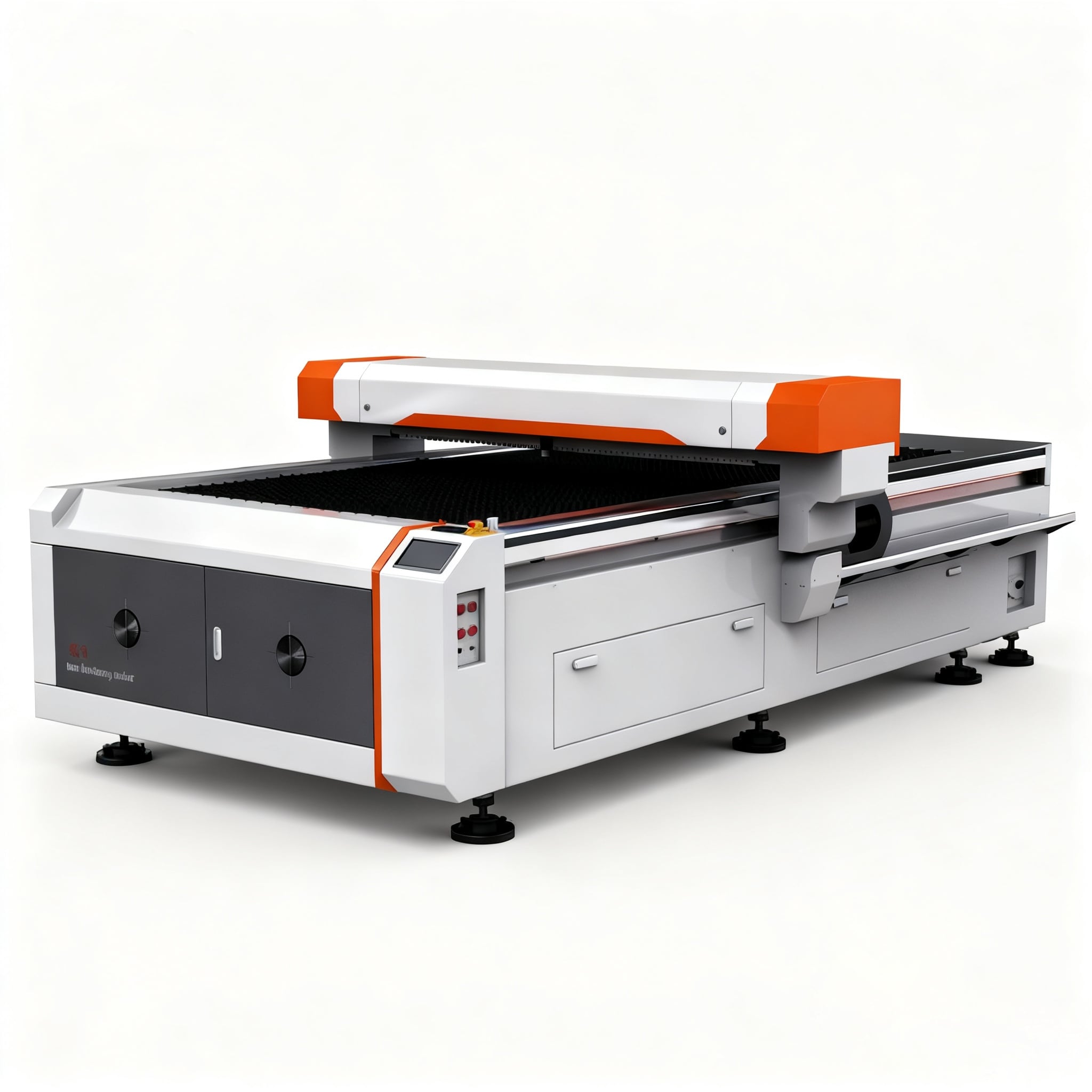
A single ply cutter is a specialized cutting tool designed for precision work on thin, delicate materials that demand accuracy without damage. Understanding which materials suit a single ply cutter best is essential for industries ranging from packaging to signage, textile manufacturing to graphic design. The wrong material choice can lead to ragged edges, material waste, and inconsistent results that compromise final product quality. Selecting the right material for your single ply cutter ensures optimal performance, extends tool life, and delivers the clean, precise cuts that professional applications require.
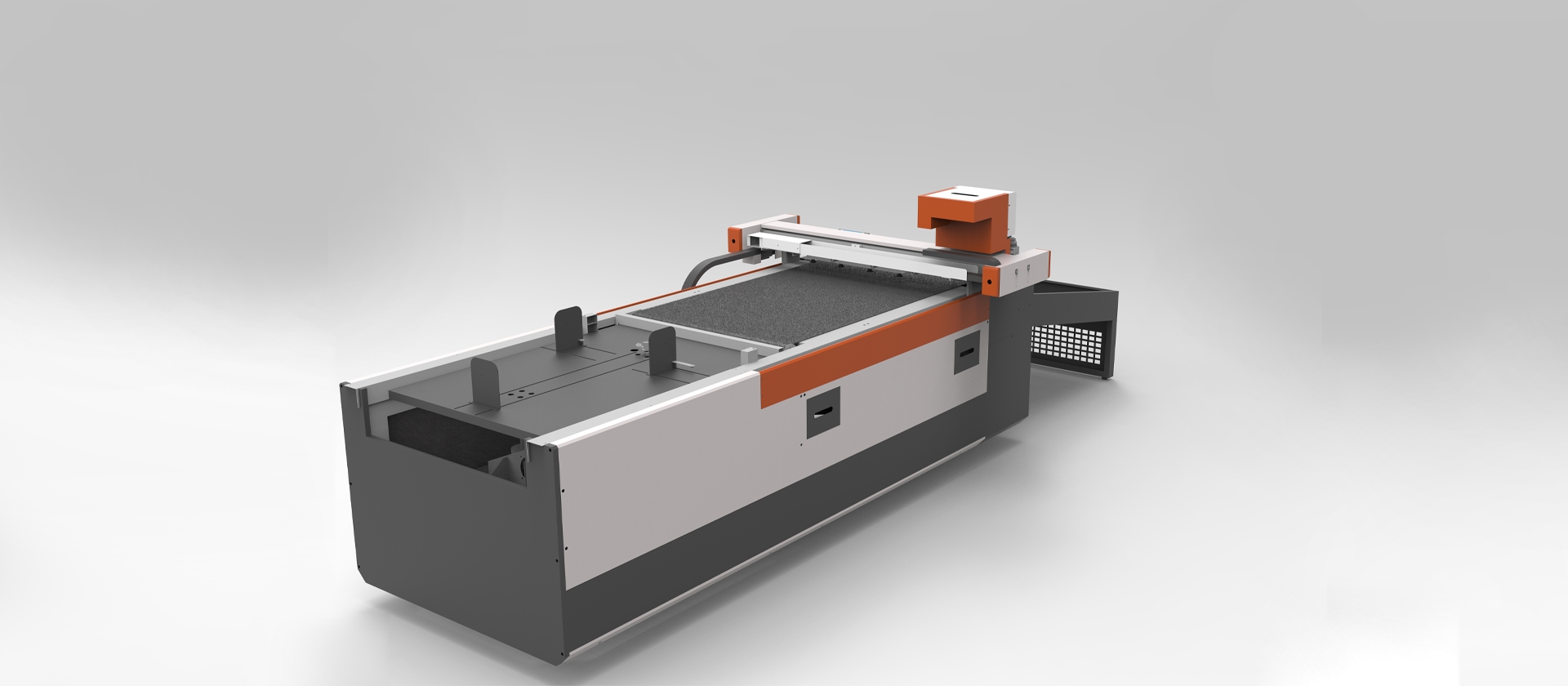
A single ply cutter excels with materials that are uniform in thickness, relatively soft or semi-rigid, and free from excessive hardness or brittleness. The tool operates by applying controlled pressure to cut through single layers without requiring high force, making it ideal for fabrics, films, foams, and thin composite sheets. Material selection directly affects cutting speed, edge quality, and whether secondary finishing work will be needed after cutting. This guide explores which materials are most compatible with single ply cutter technology and why they perform exceptionally well in precision applications.
Paper and cardstock are among the most common materials processed by a single ply cutter across commercial printing, packaging, and creative industries. A single ply cutter handles standard bond paper, bristol board, coated papers, and kraft grades with excellent precision, producing clean edges without tearing or fraying. The tool's controlled cutting action is particularly effective on coated papers where surface integrity matters for visual quality and functionality. Papers ranging from 20 lb bond to 110 lb cardstock cut smoothly when processed through a properly calibrated single ply cutter, making this tool indispensable for label production, business cards, and marketing materials.
Specialty papers including metallic-finish grades, embossed textures, and laminated sheets also perform well with a single ply cutter when material thickness remains within tool specifications. A single ply cutter's precision makes it suitable for cutting delicate papers that might tear or compress under heavier industrial cutting tools. Handmade and art papers, while variable in thickness, often benefit from single ply cutter's gentle yet accurate cutting action that preserves paper integrity and aesthetic qualities. For applications involving high-value specialty papers, a single ply cutter provides the reliability needed to minimize waste and maintain consistent quality across production runs.
Lightweight woven and knit fabrics are ideal candidates for precision work with a single ply cutter, particularly in fashion, home textile, and craft applications. A single ply cutter delivers clean cuts through single layers of cotton, silk, linen, and blended fabrics without distorting grain alignment or creating frayed edges that require additional finishing. The tool's controlled pressure prevents fabric compression, maintaining shape integrity essential for pattern accuracy in garment manufacturing. For textile operations requiring high precision cutting at scale, a single ply cutter provides the consistency and speed that manual cutting methods cannot match, reducing labor costs while improving reproducibility across thousands of identical cuts.
Technical fabrics, performance textiles, and non-woven materials also perform well when cut using a single ply cutter, though material composition and density require tool calibration adjustments. A single ply cutter handles microfiber, fleece, specialty insulation materials, and engineered non-wovens with minimal distortion, making the tool valuable across industrial textile sectors. Accuracy matters intensely in these applications because dimensional tolerances directly impact final product fit, function, and customer acceptance. A single ply cutter's precision ensures that each cut piece meets dimensional requirements, eliminating costly rework and scrap generation that burden textile operations with tight margins.
Plastic films and thin polymer sheets represent another category where a single ply cutter delivers exceptional results across packaging, industrial, and prototype development applications. A single ply cutter cuts polyethylene, polypropylene, polyester films, and vinyl with clean edges, avoiding the heat distortion or uneven cuts that heavier dies or thermal methods might produce. Single ply cutter performance excels particularly with heat-sensitive films where controlling cutting temperature is critical to preventing material degradation or unwanted sealing. For flexible packaging operations, medical device makers, and electronics manufacturers, a single ply cutter provides precision cutting that maintains material properties essential to product performance and safety compliance.
Flexible foams, EVA, closed-cell foams, and layered composite sheets cut effectively using a single ply cutter when material density and layer configuration align with tool specifications. A single ply cutter prevents the material compression and layer separation that can occur with inappropriate cutting methods, maintaining structural integrity critical for cushioning, gaskets, and component applications. Composite materials combining different substrates benefit from single ply cutter precision because the tool can navigate material transitions without delamination or edge damage. Industries ranging from automotive foam component manufacturing to sporting goods production rely on single ply cutter capabilities for consistent, damage-free cuts through engineered material structures that require absolute dimensional accuracy for assembly and function.
Natural leather, suede, and similar materials perform excellently with a single ply cutter because the tool's precision accommodates natural material variation while delivering consistent sizing. A single ply cutter handles both full-grain and finished leathers cleanly, producing edge quality comparable to specialized leather cutting equipment without the expense or complexity of dedicated leather tools. The tool's controlled cutting action prevents crushing or stretching that might occur with manual cutting methods, particularly important for premium leather used in fashion, accessories, and luxury goods. For artisans and manufacturers working with expensive leather and natural materials, a single ply cutter represents an investment in accuracy and material respect, minimizing scrap and ensuring that every piece meets quality standards before proceeding to finishing processes. A single ply cutter's versatility across natural materials extends to cork, rubber sheets, and thin wood veneers, each benefiting from the tool's precision cutting capability across diverse production environments.
A single ply cutter is specifically designed for single-layer cutting of thin to medium materials as the name indicates. Attempting to cut thick materials or multiple layers exceeds the tool's pressure specifications and motor capacity, resulting in incomplete cuts, machine strain, and potential damage. Always check manufacturer specifications for maximum material thickness that your single ply cutter can safely process. For thick materials or multi-layer requirements, industrial die-cutting equipment or specialized cutting systems offer better suitability and performance.
Most single ply cutter models perform optimally with materials ranging from 0.005 inches to approximately 0.125 inches thick, depending on material composition and tool calibration. Paper, thin cardstock, fabrics, films, and soft foams within these thickness ranges deliver clean cuts and consistent results. Materials at either extreme of this range require careful speed and pressure adjustment to avoid incomplete cuts or tool wear. Consult your single ply cutter manufacturer's specifications to confirm the exact material thickness range your tool supports and adjust cutting parameters accordingly.
Material selection directly impacts cut quality, tool longevity, production efficiency, and material waste in operations using a single ply cutter. Incompatible materials cause ragged edges, incomplete cuts, tool dulling, and increased maintenance costs that undermine project economics. Matching your material to the single ply cutter's design capabilities ensures clean, precise results that minimize secondary finishing, reduce scrap, and maximize production throughput. Making informed material choices transforms a single ply cutter from a general-purpose cutting tool into a precision instrument optimized for your specific production requirements.
 Hot News
2026-10-24
2026-10-20
2026-10-16
2026-10-12
2026-10-08
2026-09-24
JINAN DAKE provides industrial CNC laser cutting machines for packaging, advertising, leather & acoustic board applications. 10+ years expertise, 5000+ units shipped, R&D-driven precision. Request a quote today.
Room 507, Building 1, Hisense Innovation Valley, Shunhua Road Subdistrict, Jinan City,Shandong Province,China
Copyright © 2026 Jinan DAKE CNC Equipment Co.,Ltd All rights reserved. Privacy Policy

 EN