 ×

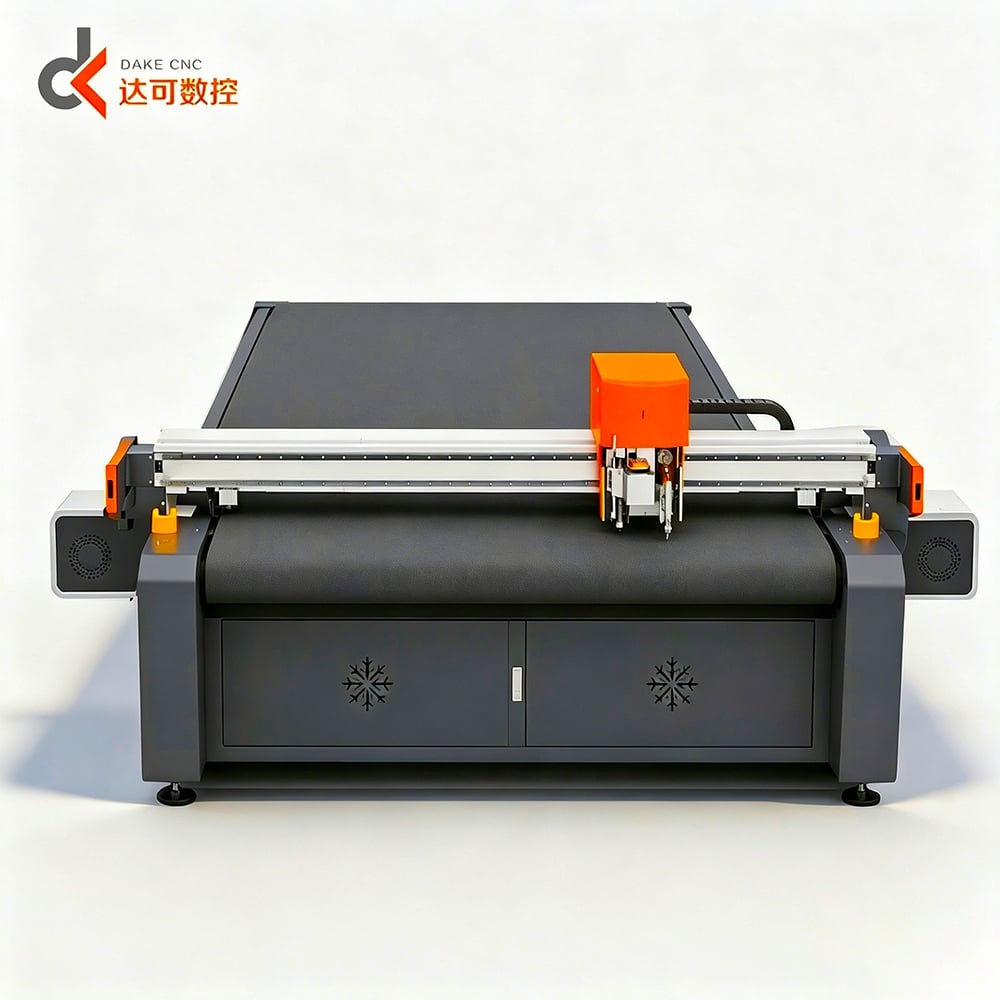
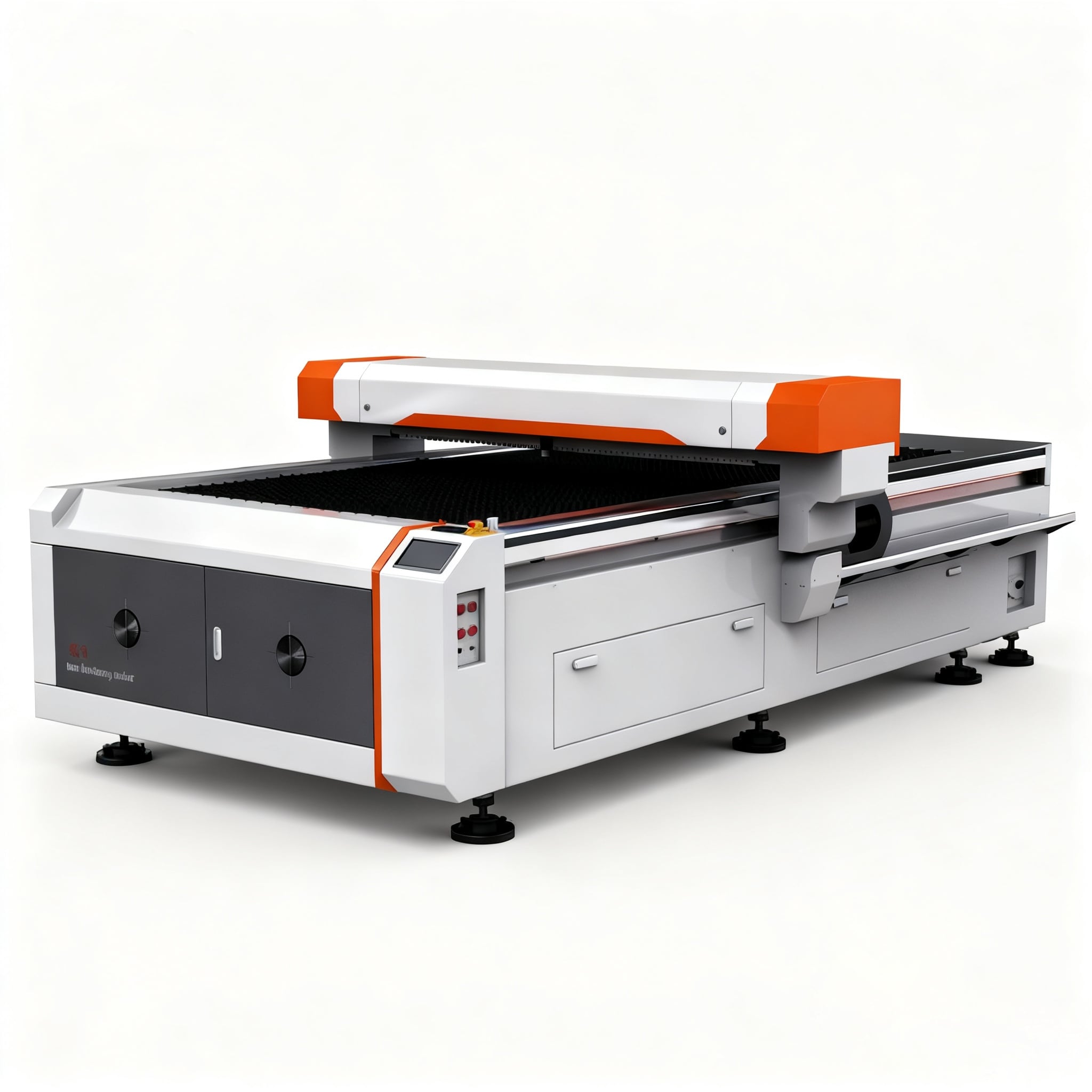
Understanding the investment required for a single ply cutter is crucial for small business owners planning to expand their cutting capabilities. The cost of a single ply cutter varies significantly based on features, automation level, cutting width, and whether you choose a basic or advanced model. For small businesses, determining the right single ply cutter budget requires balancing initial capital expenditure with long-term operational efficiency and production volume needs.
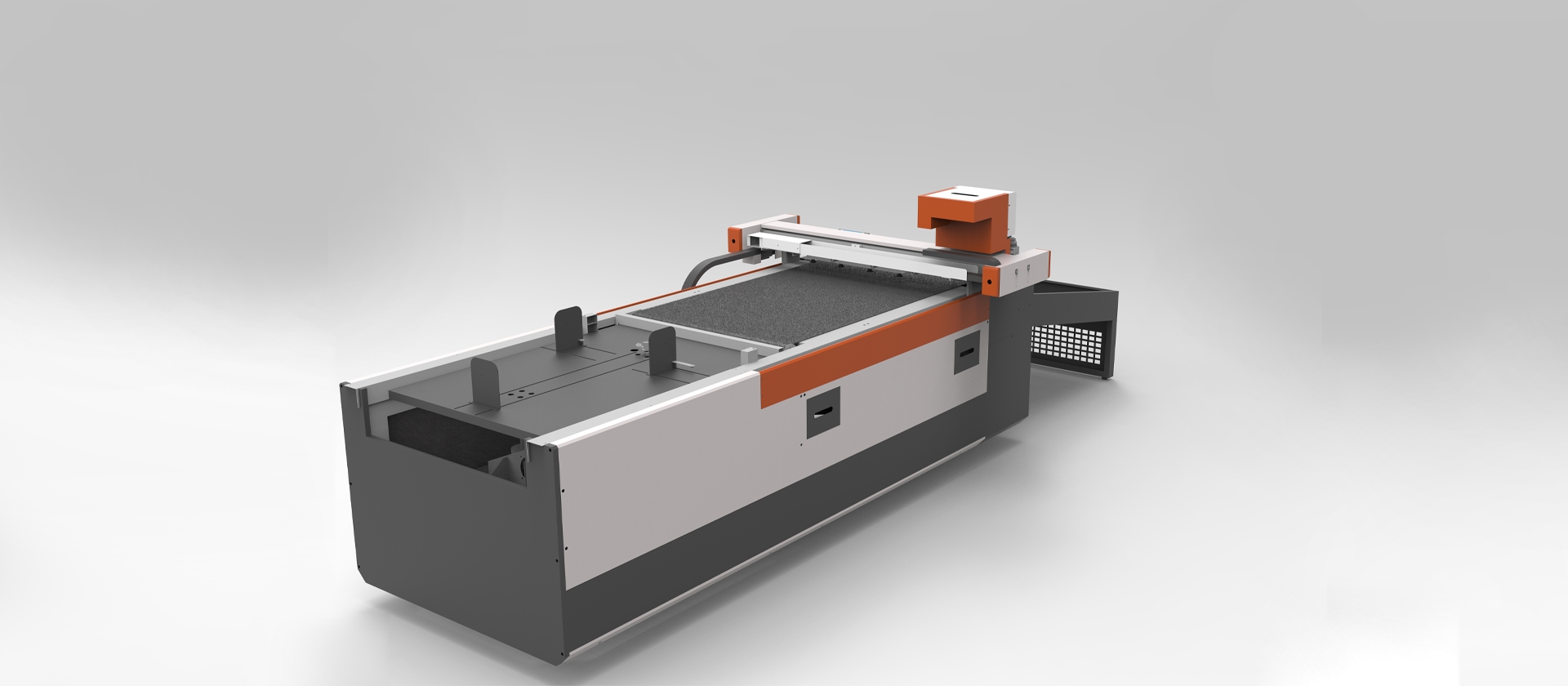
Small businesses that work with paper, cardboard, textiles, vinyl, or other single-ply materials face distinct equipment requirements. A quality single ply cutter directly impacts production speed, cut accuracy, and waste reduction. This investment affects profitability, so understanding pricing drivers helps small business owners make informed purchasing decisions that align with their operational scale and financial constraints.
Entry-level single ply cutter options range from $2,000 to $8,000 for small businesses seeking straightforward cutting solutions. Manual single ply cutter machines typically feature fixed blade systems, hand-operated pressure controls, and cutting widths between 12 and 24 inches. These basic single ply cutter models work well for low-volume operations cutting simple shapes and straight lines.
Semi-automatic single ply cutter equipment introduces motorized blade descent and positioning, reducing operator fatigue and improving consistency. A typical semi-automatic single ply cutter in the entry-level price range includes adjustable blade pressure, basic safety guards, and mechanical positioning systems. These machines suit small businesses producing moderate volumes of uniform cuts without requiring complex design capabilities.
Small businesses producing fewer than 500 cuts daily often find entry-level single ply cutter equipment sufficient. If your business cuts simple shapes, straight lines, or basic geometric patterns, a budget-friendly single ply cutter delivers reasonable performance. Entry-level single ply cutter machines also suit businesses with inconsistent demand or seasonal production variations where expensive automation remains unjustified.
However, if your small business requires custom design cutting, rapid job changeover, or intricate patterns, entry-level single ply cutter options will limit growth potential and increase labor costs over time.
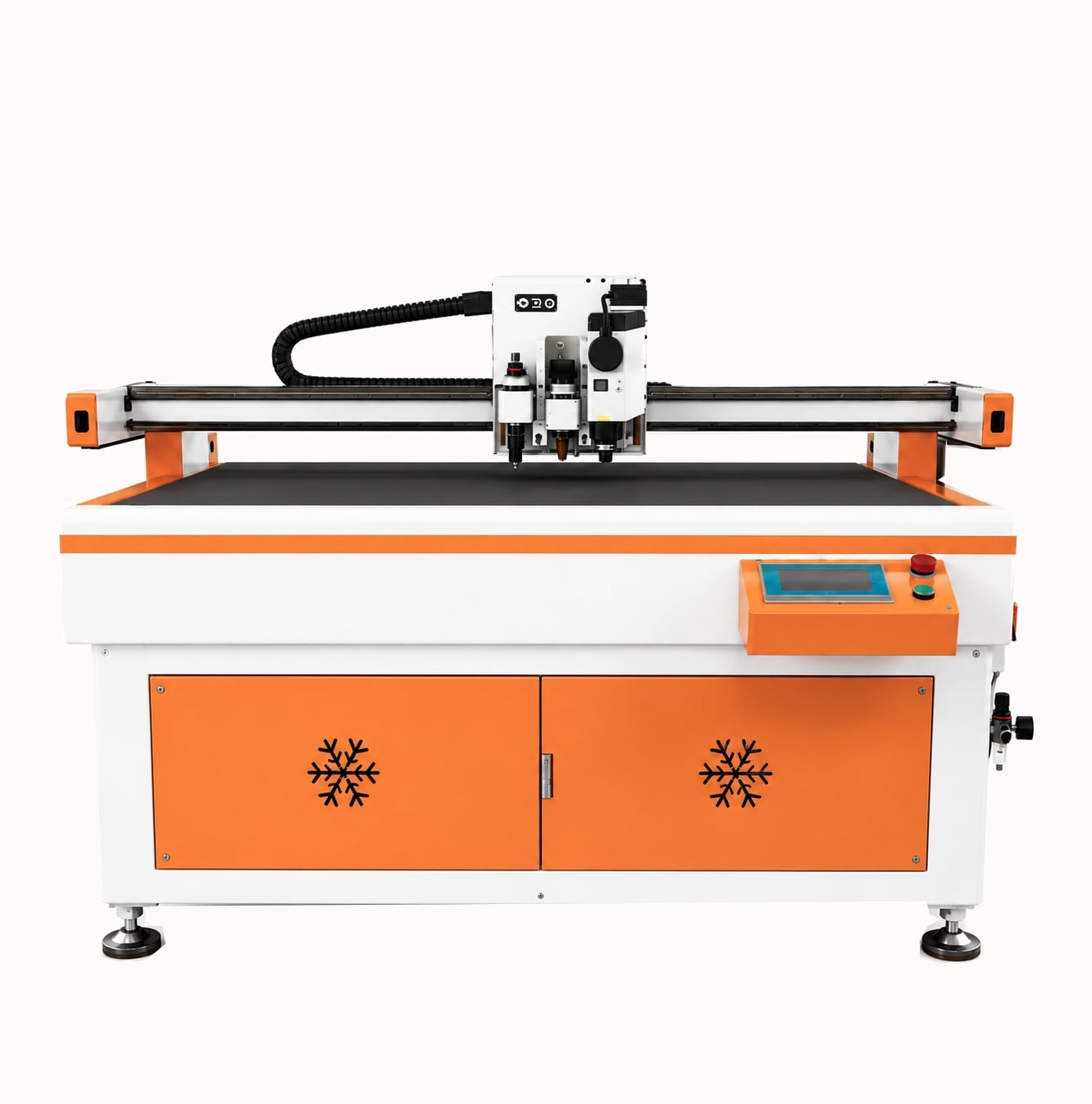
Mid-range single ply cutter systems with computerized controls typically cost $8,000 to $25,000 for small to medium businesses. Digital single ply cutter machines accept design files directly from design software, enabling complex pattern cutting without manual repositioning. A computerized single ply cutter system includes blade force optimization, automatic pressure adjustment, and programmable speed controls for different material types.
CNC-integrated single ply cutter technology allows small businesses to process multiple design variations without physical tool changes. Mid-range single ply cutter systems typically handle cutting widths from 24 to 48 inches and process materials at speeds two to three times faster than manual equipment. These single ply cutter solutions dramatically reduce setup time between jobs, making them ideal for custom or small-batch production workflows.
Small businesses cutting more than 1,000 custom pieces monthly typically recover mid-range single ply cutter investment within 18 to 36 months. Labor cost reduction represents the primary ROI driver, as computerized single ply cutter systems require minimal operator intervention once jobs load. Material waste decreases significantly with precision cutting, further improving profitability across production volumes.
A mid-range single ply cutter investment makes financial sense when your small business has grown beyond entry-level capacity but does not yet justify premium industrial equipment. These systems offer flexibility to scale production without proportional labor cost increases.
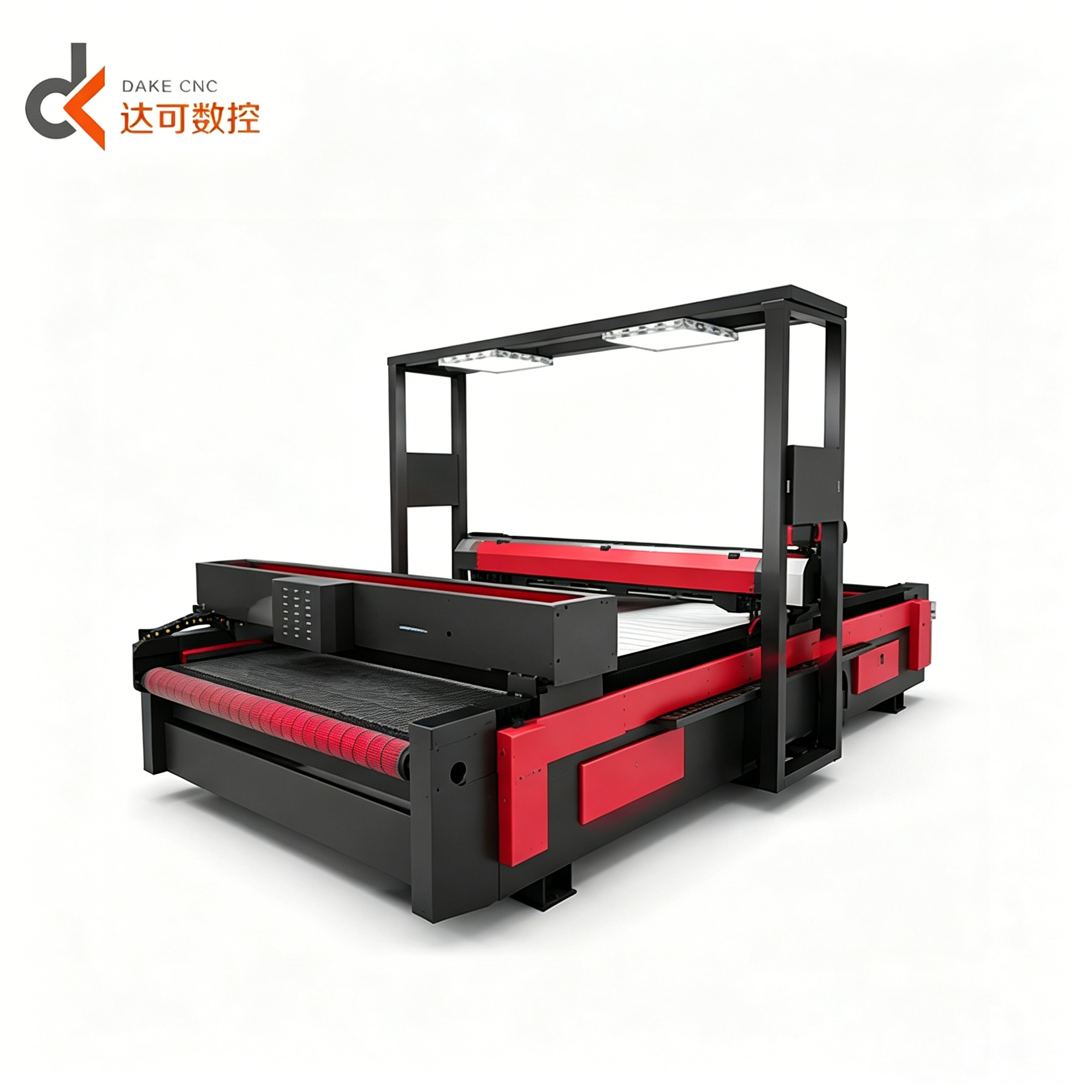
Premium single ply cutter systems range from $25,000 to $80,000 or higher for ambitious small businesses or specialized manufacturers. High-end single ply cutter equipment features advanced materials handling, multi-head cutting capability, and integration with production management software. Industrial-grade single ply cutter machines process larger sheet sizes and cutting widths exceeding 60 inches, supporting high-volume production environments.
Premium single ply cutter options include automatic nesting software that optimizes material usage and reduces waste dramatically. These machines maintain consistent blade pressure across entire cutting surfaces, producing superior edge quality on diverse materials. A premium single ply cutter system typically integrates real-time production monitoring, predictive maintenance alerts, and remote diagnostic capabilities.
Small businesses with aggressive growth targets or those planning significant production increases should evaluate premium single ply cutter technology despite higher upfront costs. These single ply cutter systems remain profitable for 7 to 10 years with proper maintenance, justifying their premium pricing through extended service life. A premium single ply cutter machine typically processes 5,000 to 15,000 cuts daily depending on design complexity and material types.
For small businesses expecting consistent annual growth above 30 percent, premium single ply cutter equipment prevents capacity constraints that would force expensive equipment upgrades within three to five years.
The specific materials your business cuts influence single ply cutter selection and total ownership cost. Single ply cutter equipment designed for paper and cardboard operates differently than systems cutting vinyl, textiles, or rubber. Specialized single ply cutter blade systems for abrasive materials cost $500 to $2,000 more than standard equipment, and blade replacement cycles increase maintenance expenses.
A single ply cutter system optimized for your specific material significantly improves edge quality and reduces blade wear, lowering long-term operational costs despite higher initial investment.
Beyond purchase price, small businesses must budget $1,000 to $5,000 for single ply cutter installation, operator training, and initial software setup. Ongoing single ply cutter maintenance contracts typically cost $50 to $300 monthly depending on equipment tier and service intensity. Reputable manufacturers offering comprehensive single ply cutter support may justify slightly higher purchase prices through reliable service availability and faster troubleshooting response.
Small businesses can lease single ply cutter equipment for $300 to $1,500 monthly rather than purchasing outright. Leasing a single ply cutter preserves capital, includes maintenance, and offers upgrade flexibility as technology evolves. However, after five years, single ply cutter lease payments typically exceed purchase costs, so leasing suits businesses with uncertain long-term equipment needs or temporary production surges.
Purchasing a single ply cutter remains advantageous for small businesses planning sustained operations in the same market segment. The ability to customize a single ply cutter system for specific business processes and recoup equipment value through resale provides financial flexibility that leasing cannot match.
Many small businesses finance single ply cutter purchases through equipment loans with 3 to 7 year terms, spreading costs over the equipment's productive life. Section 179 tax deductions and accelerated depreciation schedules can reduce the effective single ply cutter investment cost by 20 to 40 percent depending on business structure and tax situation. Consulting with an accountant about available single ply cutter equipment tax benefits should precede final purchasing decisions.
The minimum budget for a basic single ply cutter starts around $2,000 to $3,000 for manual or simple semi-automatic models. However, most small businesses find entry-level single ply cutter equipment limiting within 2 to 3 years as production demands increase. A more realistic minimum investment of $5,000 to $8,000 provides better longevity and production capabilities without overspending on unnecessary features.
Different materials require specialized single ply cutter blade systems and pressure calibration, which can add $500 to $3,000 to the equipment cost. A single ply cutter designed for rigid cardboard operates differently than one optimized for delicate textiles or abrasive industrial materials. Selecting a single ply cutter matched to your primary material type improves cut quality, reduces blade wear, and lowers maintenance expenses significantly over the equipment's lifetime.
Yes, a computerized single ply cutter system typically pays for itself within 18 to 36 months through labor savings and material waste reduction. If your small business produces custom designs or cuts more than 1,000 pieces monthly, a single ply cutter with digital controls directly improves profitability. The single ply cutter investment becomes financially justified when it eliminates manual repositioning, reduces setup time between jobs, and enables rapid design iteration for clients.
 Hot News
2026-10-24
2026-10-20
2026-10-16
2026-10-12
2026-10-08
2026-09-24
JINAN DAKE provides industrial CNC laser cutting machines for packaging, advertising, leather & acoustic board applications. 10+ years expertise, 5000+ units shipped, R&D-driven precision. Request a quote today.
Room 507, Building 1, Hisense Innovation Valley, Shunhua Road Subdistrict, Jinan City,Shandong Province,China
Copyright © 2026 Jinan DAKE CNC Equipment Co.,Ltd All rights reserved. Privacy Policy

 EN