 ×

Operating a carbon fiber cutter requires careful attention to safety protocols that protect both personnel and equipment. A carbon fiber cutter is a specialized tool designed to slice through composite materials with precision, but the unique properties of carbon fiber create distinct hazards that differ from conventional cutting operations. Understanding and implementing proper safety precautions when using a carbon fiber cutter is essential for anyone handling these materials in industrial, manufacturing, or laboratory environments. The fine particulate matter generated during cutting, combined with sharp blades and high-speed machinery, demands a comprehensive approach to workplace safety and personal protection.
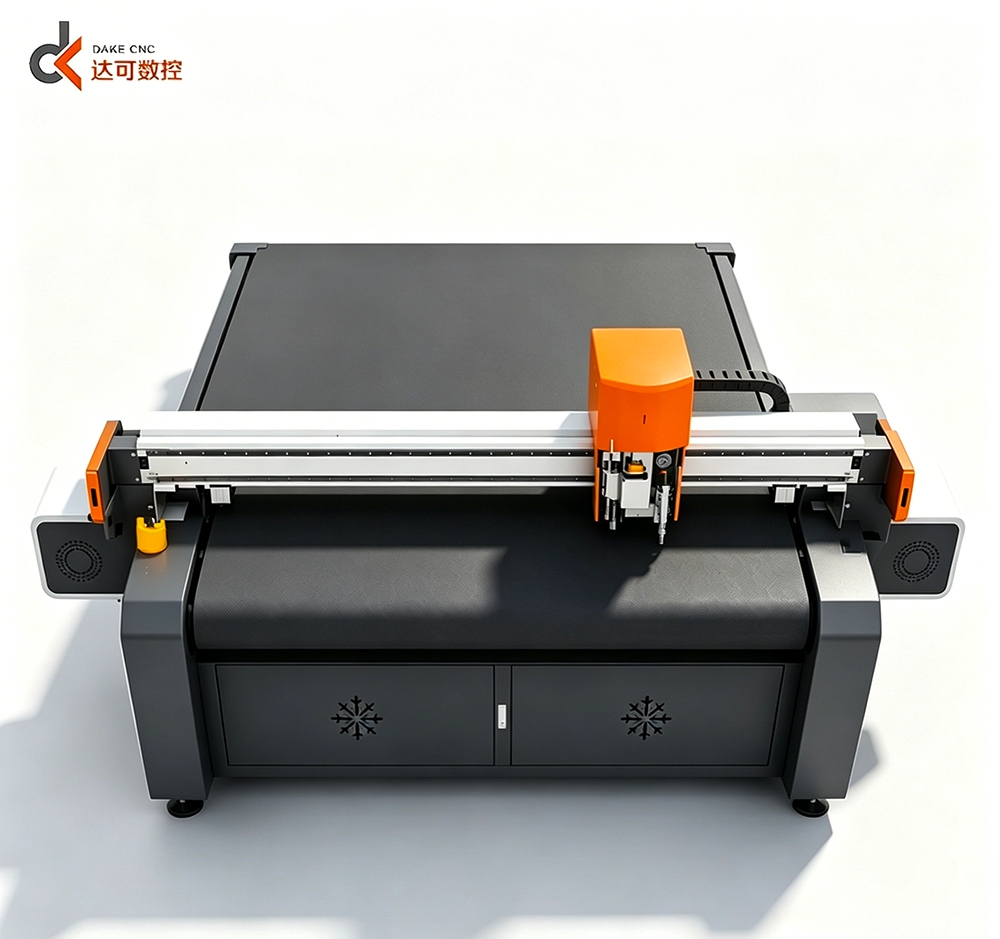
The risks associated with using a carbon fiber cutter extend beyond typical machinery hazards. Carbon fiber dust is conductive and can pose respiratory, electrical, and environmental concerns if not properly managed. Every operator must recognize that a carbon fiber cutter demands respect and adherence to established safety standards to prevent injuries, equipment damage, and workplace incidents. This guide explores the critical safety precautions that should accompany every carbon fiber cutter operation, from pre-use inspection through post-operation cleanup.
The primary hazard when operating a carbon fiber cutter is exposure to carbon fiber dust. When a carbon fiber cutter cuts through composite materials, it generates extremely fine particles that remain airborne for extended periods. These particles are smaller than conventional sawdust and can penetrate deep into the respiratory system if inhaled without protection. A carbon fiber cutter produces dust with conductive properties, meaning it can accumulate static electrical charges and create fire or explosion risks in certain environments. Workers must always wear appropriate respiratory protection whenever using a carbon fiber cutter to prevent long-term lung damage and occupational health complications.
Any carbon fiber cutter operates with sharp, rotating blades or cutting edges designed to slice through tough composite materials with minimal effort. Direct contact with an active carbon fiber cutter blade results in severe lacerations, amputations, or crushing injuries within milliseconds. A carbon fiber cutter typically runs at high speeds to achieve clean cuts through dense material, amplifying the severity of contact injuries. Proper machine guarding, emergency stop mechanisms, and hand positioning protocols are non-negotiable when working with a carbon fiber cutter. Never attempt to clear jammed material, adjust settings, or perform maintenance while a carbon fiber cutter remains powered on or its blade is still in motion.
Selecting appropriate respiratory protection is the most critical safety decision when using a carbon fiber cutter. A carbon fiber cutter generates dust particles that standard dust masks cannot adequately filter. Workers should wear respirators rated for carbon fiber particulates—typically NIOSH-approved P100 or equivalent filtration that captures particles at least 0.3 microns in size. For extended or daily use of a carbon fiber cutter, consider powered air-purifying respirators (PAPRs) that reduce breathing resistance while maintaining superior protection. Respiratory protection must be fit-tested before initial use and regularly thereafter to ensure the seal remains effective during carbon fiber cutter operations.
Beyond respiratory equipment, comprehensive personal protective equipment is mandatory when operating a carbon fiber cutter. Cut-resistant gloves rated for industrial abrasion protect hands from accidental contact during material handling and blade proximity work with a carbon fiber cutter. Safety glasses or face shields protect eyes from carbon fiber dust particles and any fragments ejected during cutting. Many facilities require operators to wear long-sleeved, tightly-fitted clothing to minimize exposed skin when using a carbon fiber cutter. Hearing protection may also be necessary depending on the noise level generated by your specific carbon fiber cutter model during operation.
An effective dust collection system is as important as personal protective equipment when using a carbon fiber cutter. A carbon fiber cutter should always be connected to a capture hood or enclosed booth equipped with industrial-grade ventilation that extracts dust at the source before it becomes airborne. The collection system must be designed specifically for conductive carbon fiber dust to prevent static accumulation and potential fire hazards. High-efficiency particulate air (HEPA) filters in the dust collection system protect both the operator and the surrounding environment from carbon fiber cutter dust escape. Regular maintenance and filter replacement ensure that your carbon fiber cutter's ventilation system remains effective throughout its operational life.
Before each use, operators must perform a thorough inspection of the carbon fiber cutter to identify potential hazards. Check that all guards are properly secured, the blade or cutting element shows no cracks or damage, and the machine operates smoothly without unusual vibrations. A carbon fiber cutter with compromised safety features should be removed from service immediately and repaired by qualified technicians before resuming operations. Emergency stop buttons must be clearly visible and functional whenever a carbon fiber cutter is in use. Preventive maintenance schedules ensure that a carbon fiber cutter continues meeting safety standards and performing reliably throughout its service life.
Establishing clear operating procedures is essential for consistent safety when using a carbon fiber cutter. All operators must receive comprehensive training specific to your carbon fiber cutter model before independent operation. Secure workpieces firmly using appropriate fixtures or clamps to prevent slipping during cutting—never hold material by hand near the blade of a carbon fiber cutter. Keep hands, hair, and loose clothing away from moving parts at all times when a carbon fiber cutter is active. Always allow the blade to come to a complete stop before removing cut materials or approaching the work area of a carbon fiber cutter.
Despite preventive measures, accidents involving a carbon fiber cutter can occur, requiring immediate and appropriate response. Every workplace must have a clear incident response plan that includes first aid training, emergency contact procedures, and proper documentation protocols. Any injury involving a carbon fiber cutter should be reported immediately, treated appropriately, and thoroughly investigated to prevent future occurrences. Organizations should maintain records of all carbon fiber cutter incidents, near-misses, and maintenance activities to identify trends and improve safety outcomes. Regular safety audits and employee feedback sessions help refine procedures and address emerging concerns related to carbon fiber cutter use.
NIOSH-approved respirators with P100 filtration or higher are required for carbon fiber cutter operations. Standard dust masks are insufficient because carbon fiber particles are extremely fine and can bypass less robust filtration systems. For regular or prolonged use of a carbon fiber cutter, powered air-purifying respirators (PAPRs) provide superior protection with reduced breathing effort. Always ensure your respirator is properly fit-tested before using a carbon fiber cutter to verify an adequate seal.
Never perform any maintenance, adjustment, or cleaning on a carbon fiber cutter while the machine is powered on or its blade is moving. All maintenance and repairs should only occur after the carbon fiber cutter has been completely powered down, locked out, and the blade has come to a full stop. Attempting to clear jams, adjust settings, or perform any intervention while a carbon fiber cutter is active represents an extreme hazard that can result in severe injury.
Carbon fiber dust is electrically conductive and can accumulate static electrical charges during a carbon fiber cutter's operation. This buildup creates potential fire and explosion risks, particularly in environments with flammable materials or gases. Proper grounding of the carbon fiber cutter, effective dust collection systems, and humidified work environments help mitigate static electricity hazards. Facilities handling carbon fiber cutter operations must implement appropriate electrical safety measures alongside dust control protocols.
 Hot News
2026-10-24
2026-10-20
2026-10-16
2026-10-12
2026-10-08
2026-09-24
JINAN DAKE provides industrial CNC laser cutting machines for packaging, advertising, leather & acoustic board applications. 10+ years expertise, 5000+ units shipped, R&D-driven precision. Request a quote today.
Room 507, Building 1, Hisense Innovation Valley, Shunhua Road Subdistrict, Jinan City,Shandong Province,China
Copyright © 2026 Jinan DAKE CNC Equipment Co.,Ltd All rights reserved. Privacy Policy

 EN