 ×

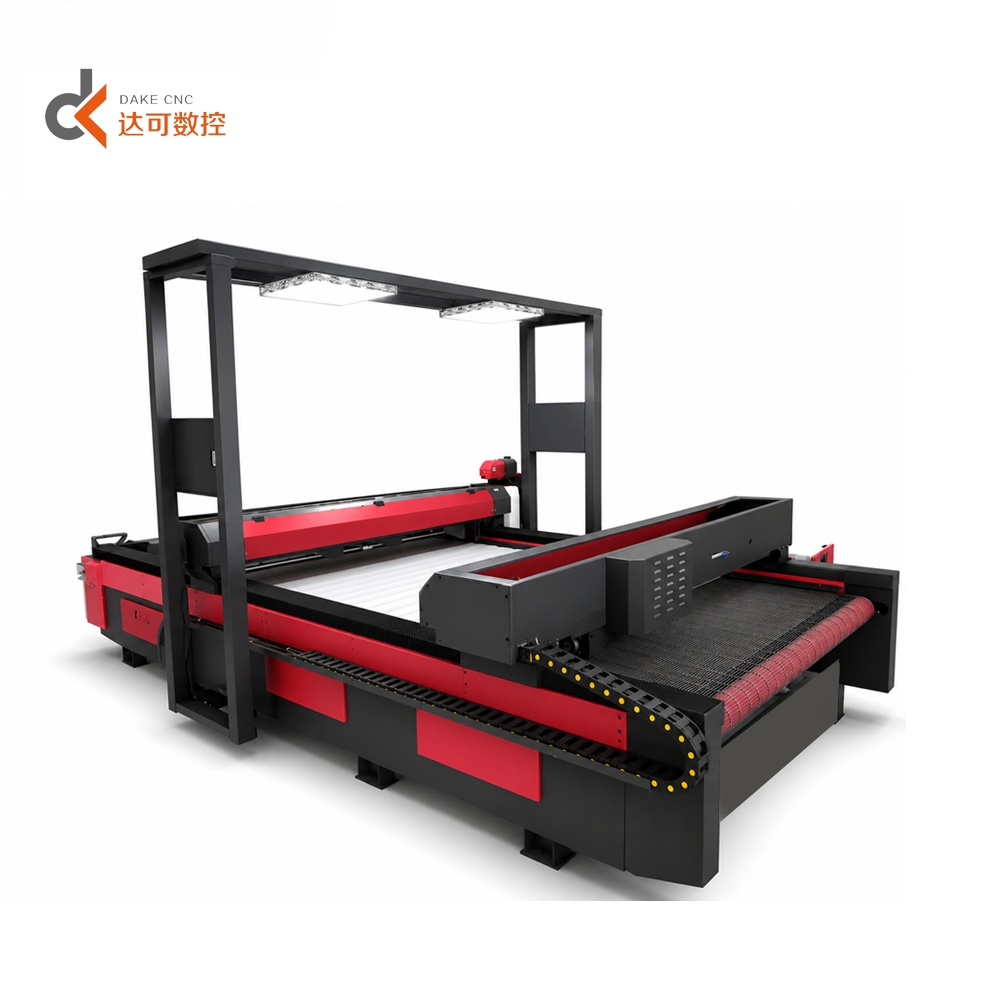
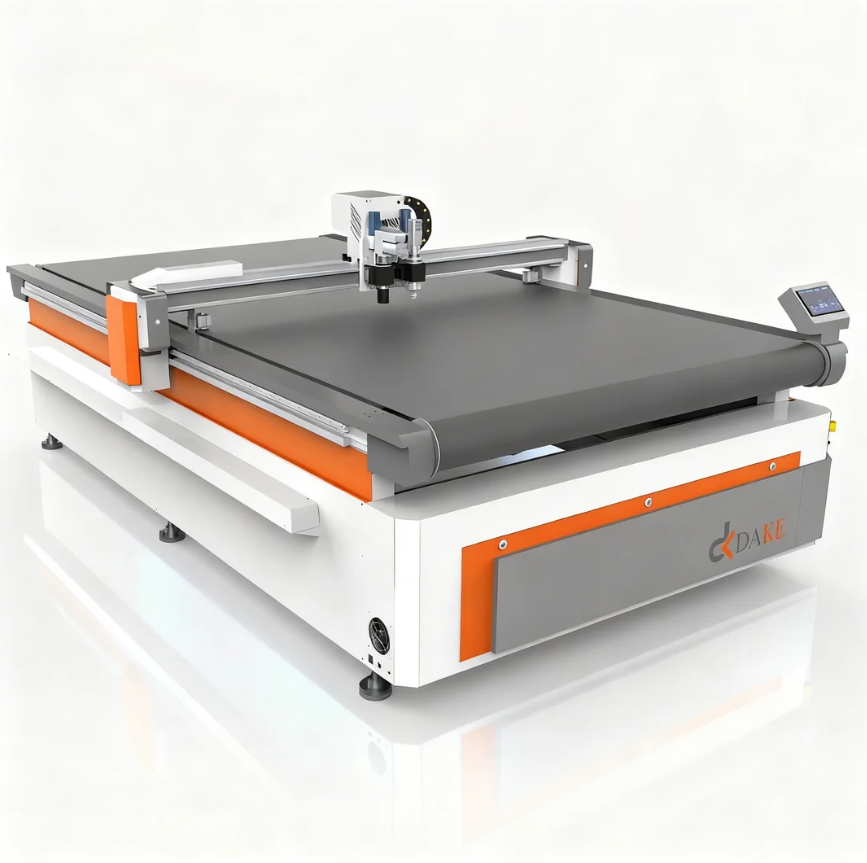
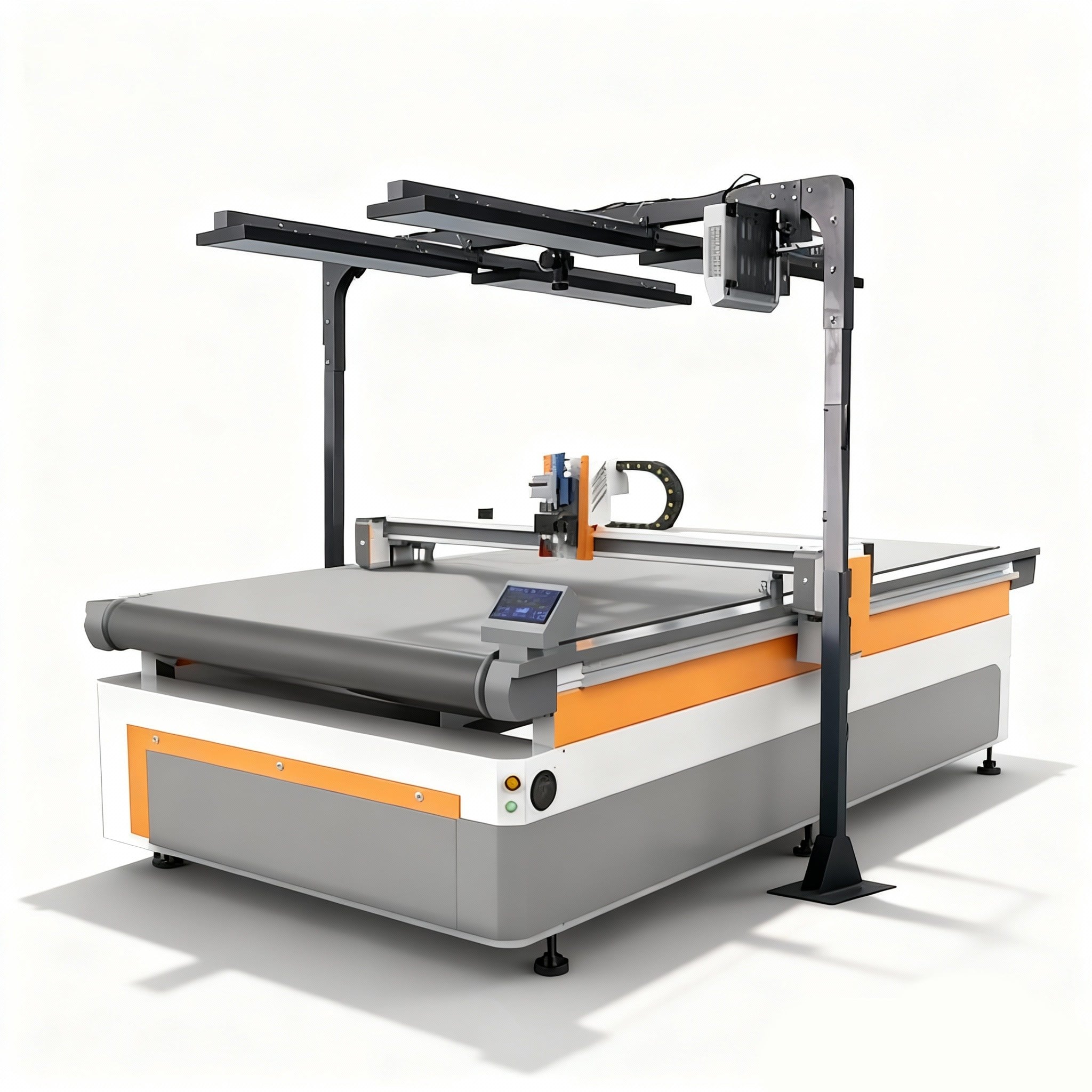
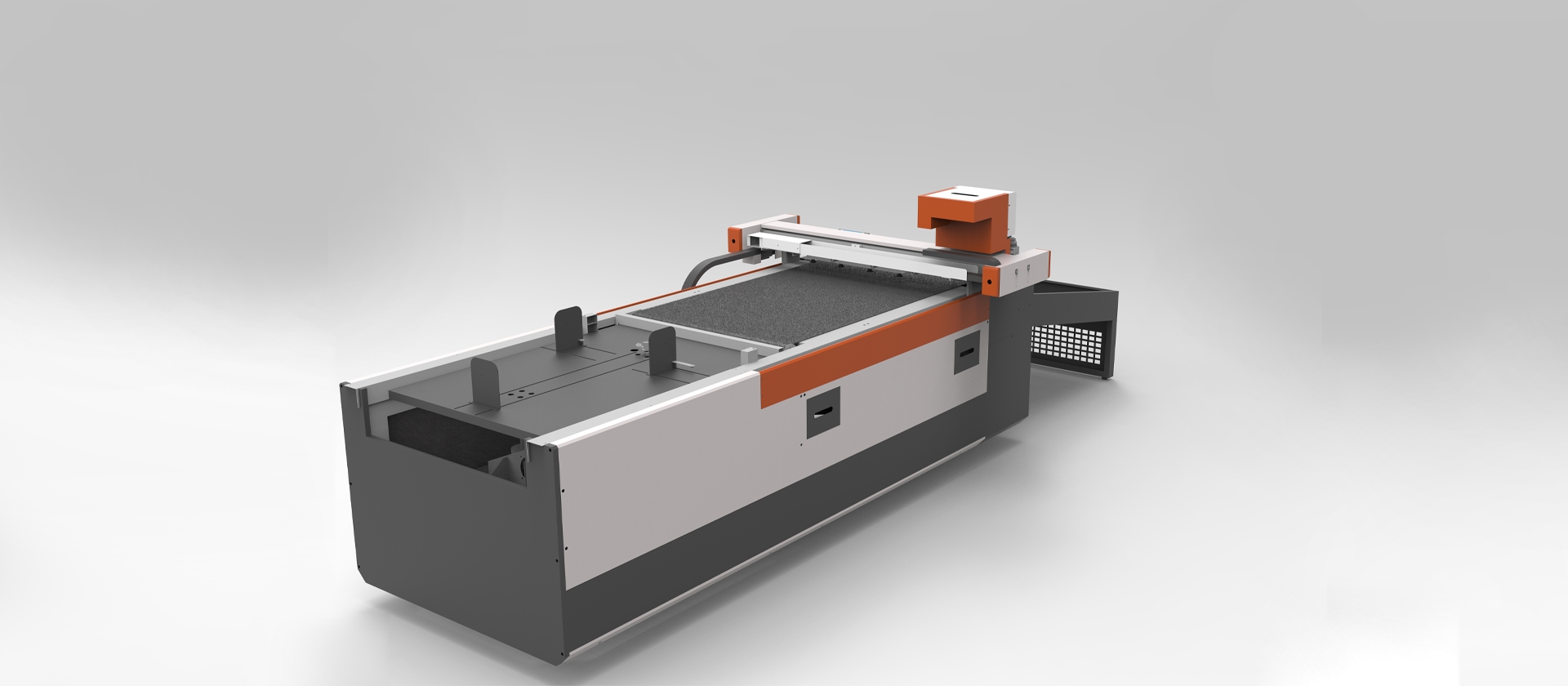
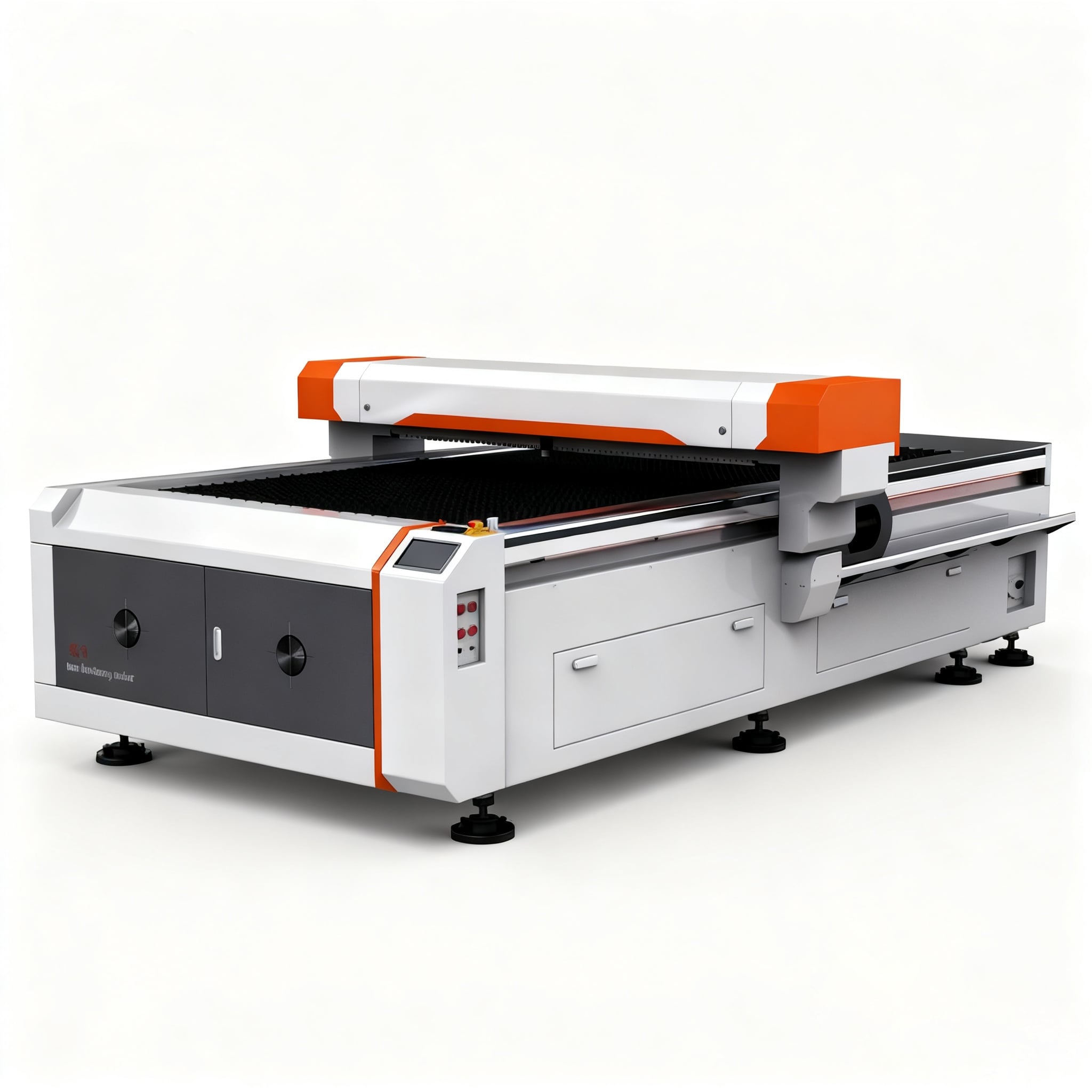
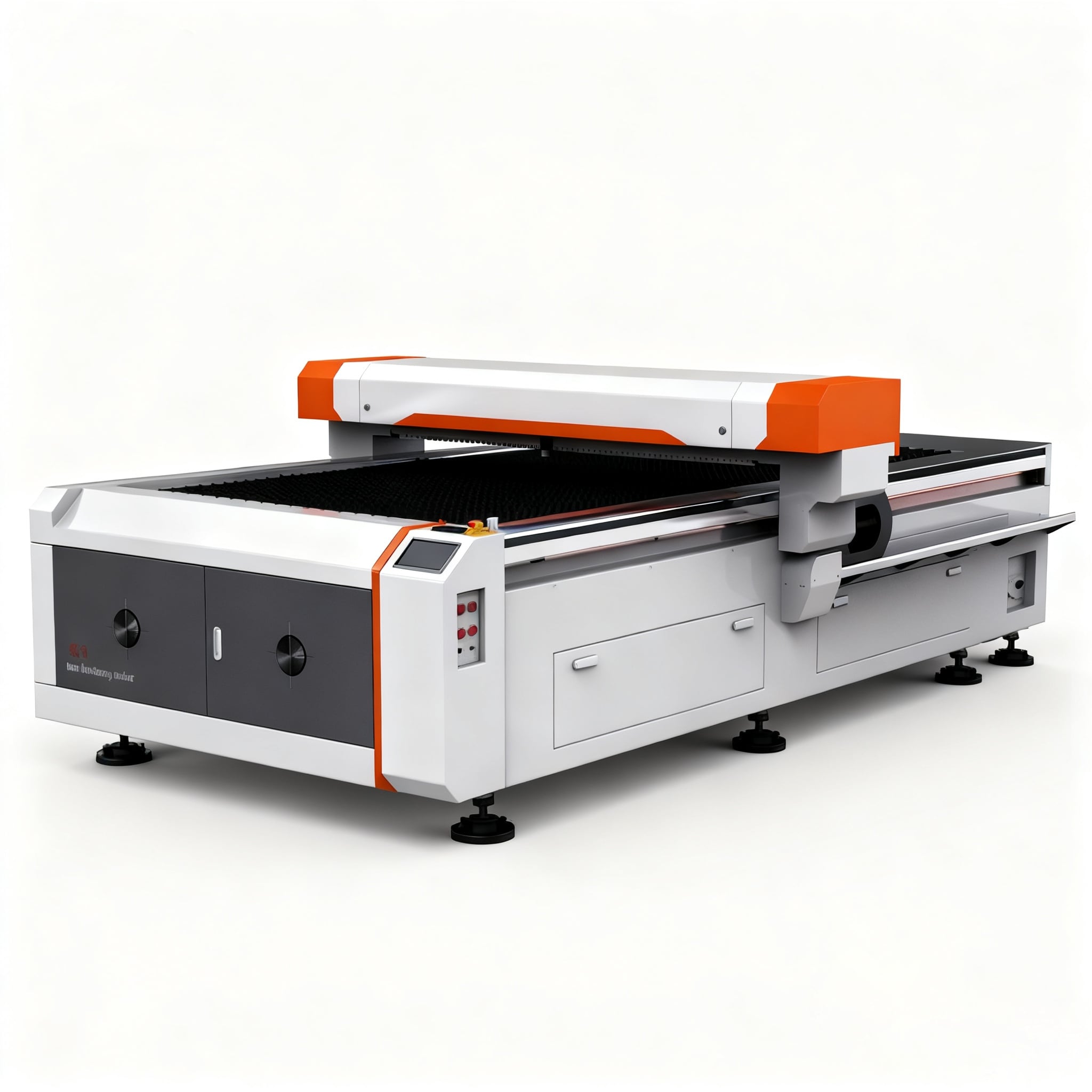
Material waste and dust generation represent significant operational challenges in composite manufacturing and aerospace industries. A carbon fiber cutter addresses both issues through advanced cutting technology designed specifically for carbon fiber and composite materials. Understanding how a carbon fiber cutter reduces dust and waste helps manufacturers optimize production efficiency, improve workplace safety, and lower overall operational costs while maintaining cutting precision and quality standards that aerospace, automotive, and defense contractors demand.
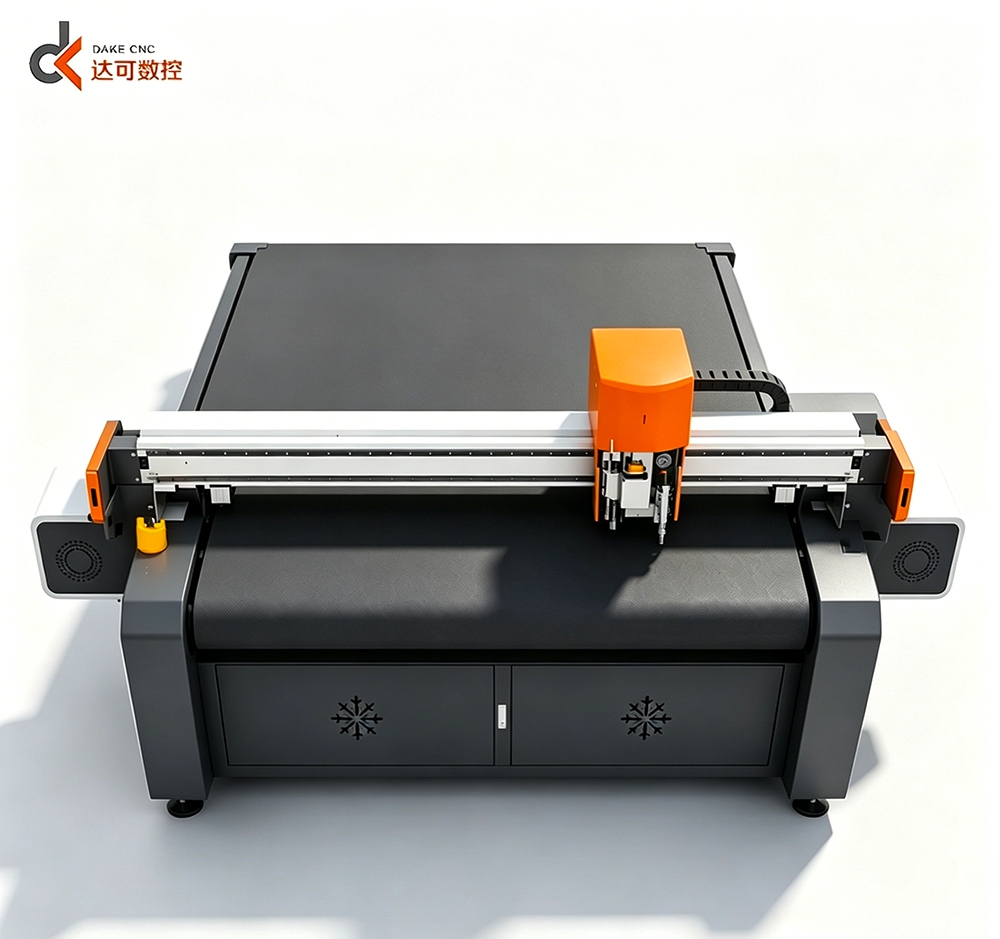
Every carbon fiber cutter operates on principles that fundamentally differ from conventional cutting tools. The carbon fiber cutter uses precision blade geometry, controlled feed rates, and optimized cutting angles to sever composite fibers cleanly rather than tearing or fraying them. This mechanical superiority directly translates into measurable dust reduction and waste minimization across production workflows, making the carbon fiber cutter an investment that pays dividends through both cost savings and worker health improvements.
The core advantage of a carbon fiber cutter lies in its blade design engineered for clean separation of composite fibers. When a carbon fiber cutter blade contacts carbon fiber material, the sharp edge creates a shearing action rather than a crushing or grinding motion. This shearing mechanism produces significantly fewer particles suspended in air compared to abrasive cutting methods. A carbon fiber cutter equipped with proper dust collection ports captures airborne particles at the source before they disperse throughout the work environment, reducing employee exposure to hazardous carbon fiber dust by up to ninety percent in controlled settings.
Operating a carbon fiber cutter at manufacturer-recommended speeds dramatically reduces particle generation during the cutting process. When a carbon fiber cutter moves too quickly through material, it generates excessive friction and heat, causing fiber breakage and dust creation. Conversely, a carbon fiber cutter operating at optimal speeds maintains clean cuts that produce longer fiber fragments rather than fine dust particles. Modern carbon fiber cutter systems feature variable speed controls that allow operators to match cutting velocity to specific material layups, resin systems, and composite thickness, ensuring every carbon fiber cutter operation generates minimal atmospheric contamination.
A carbon fiber cutter's precision cutting capability directly reduces material scrap from edge delamination and fiber fraying. When a carbon fiber cutter produces clean, sealed edges without fiber separation, downstream processes require less edge trimming and finishing work. This means a carbon fiber cutter eliminates the material loss associated with secondary edge cleanup operations. Components cut by a carbon fiber cutter often achieve first-pass dimensional accuracy, reducing rework, material rejection, and trim waste that traditional cutting methods generate from poor edge quality.
Because a carbon fiber cutter maintains exceptional edge definition, manufacturers can reduce layout spacing between cut patterns. A carbon fiber cutter's superior accuracy means nesting algorithms can position parts closer together without risk of material loss from burring or fraying. This tighter nesting efficiency achieved by a carbon fiber cutter translates directly into higher yield rates from each composite sheet. For large aerospace subcontractors processing carbon fiber components, this optimization through a carbon fiber cutter can recover thousands of dollars in material value monthly, as each percentage point improvement in cutting yield represents substantial waste reduction across high-volume production runs.
A carbon fiber cutter significantly improves facility air quality by minimizing dust generation at the cutting source. Carbon fiber particles present recognized occupational health risks, and regulatory bodies increasingly mandate strict workplace exposure limits. A carbon fiber cutter with integrated dust collection systems helps manufacturers maintain compliance with OSHA standards and equivalent international regulations without requiring expensive facility-wide ventilation upgrades. The carbon fiber cutter thus protects workforce health while simplifying regulatory documentation and reducing potential liability from occupational exposure incidents.
The financial case for implementing a carbon fiber cutter extends beyond waste reduction to encompass total operational efficiency. A carbon fiber cutter reduces machine maintenance costs by eliminating the fine dust that accumulates in equipment and requires frequent cleaning. The carbon fiber cutter minimizes secondary finishing labor since edges require little rework. A carbon fiber cutter's extended blade life compared to abrasive cutting tools reduces consumable costs. When manufacturers calculate return on investment, the carbon fiber cutter typically demonstrates payback within one to two years through combined savings from waste reduction, labor efficiency, maintenance reduction, and consumable cost elimination. These tangible benefits make the carbon fiber cutter a strategically sound capital investment rather than merely a cutting tool.
A carbon fiber cutter handles carbon fiber reinforced polymers (CFRP), glass fiber composites, aramid fiber materials, and hybrid composite layups. The carbon fiber cutter performs optimally on thermoset and thermoplastic matrix systems commonly used in aerospace, automotive, and industrial applications. Different material compositions may require adjusting a carbon fiber cutter's feed rate or blade type, but the fundamental cutting principle remains effective across the full spectrum of commercial composite materials.
Facilities upgrading to a carbon fiber cutter typically observe seventy to ninety percent reduction in airborne dust particles compared to band saws or abrasive cutters. The exact reduction percentage depends on existing dust collection infrastructure, the carbon fiber cutter's integration with extraction systems, and operator technique. A carbon fiber cutter installed with dedicated dust collection consistently outperforms systems relying on general shop ventilation.
Many modern carbon fiber cutter models feature modular designs that integrate with existing facility infrastructure. Whether a carbon fiber cutter can retrofit depends on available floor space, electrical supply compatibility, and integration with material handling systems. Manufacturers should consult equipment specifications to confirm a carbon fiber cutter's compatibility with their particular production layout and existing machine interfaces.
 Hot News
2026-10-24
2026-10-20
2026-10-16
2026-10-12
2026-10-08
2026-09-24
JINAN DAKE provides industrial CNC laser cutting machines for packaging, advertising, leather & acoustic board applications. 10+ years expertise, 5000+ units shipped, R&D-driven precision. Request a quote today.
Room 507, Building 1, Hisense Innovation Valley, Shunhua Road Subdistrict, Jinan City,Shandong Province,China
Copyright © 2026 Jinan DAKE CNC Equipment Co.,Ltd All rights reserved. Privacy Policy

 EN