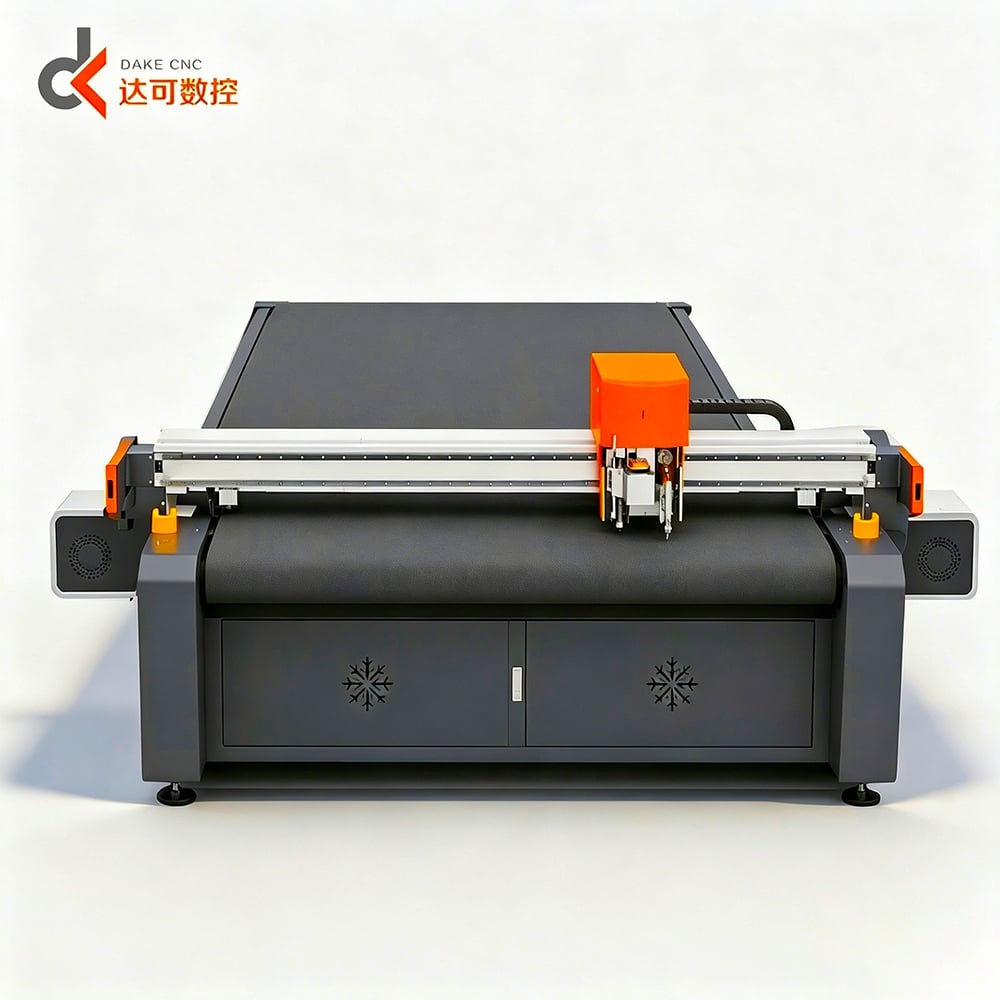
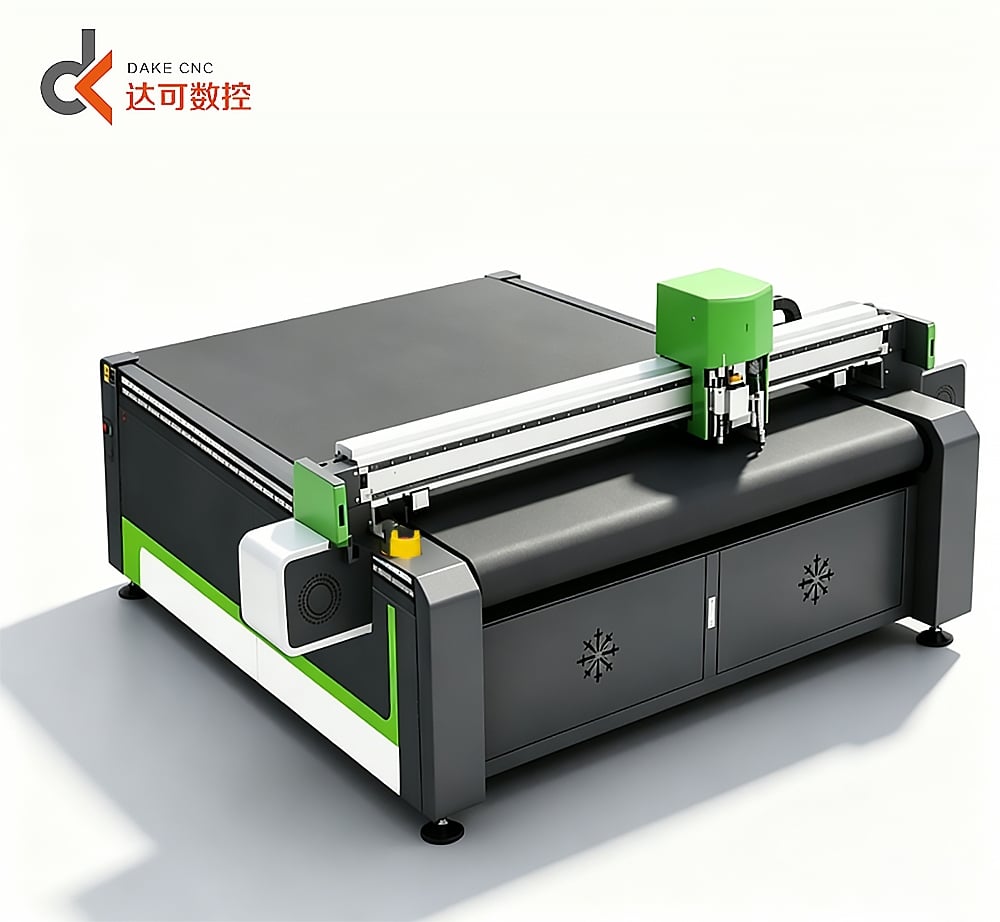
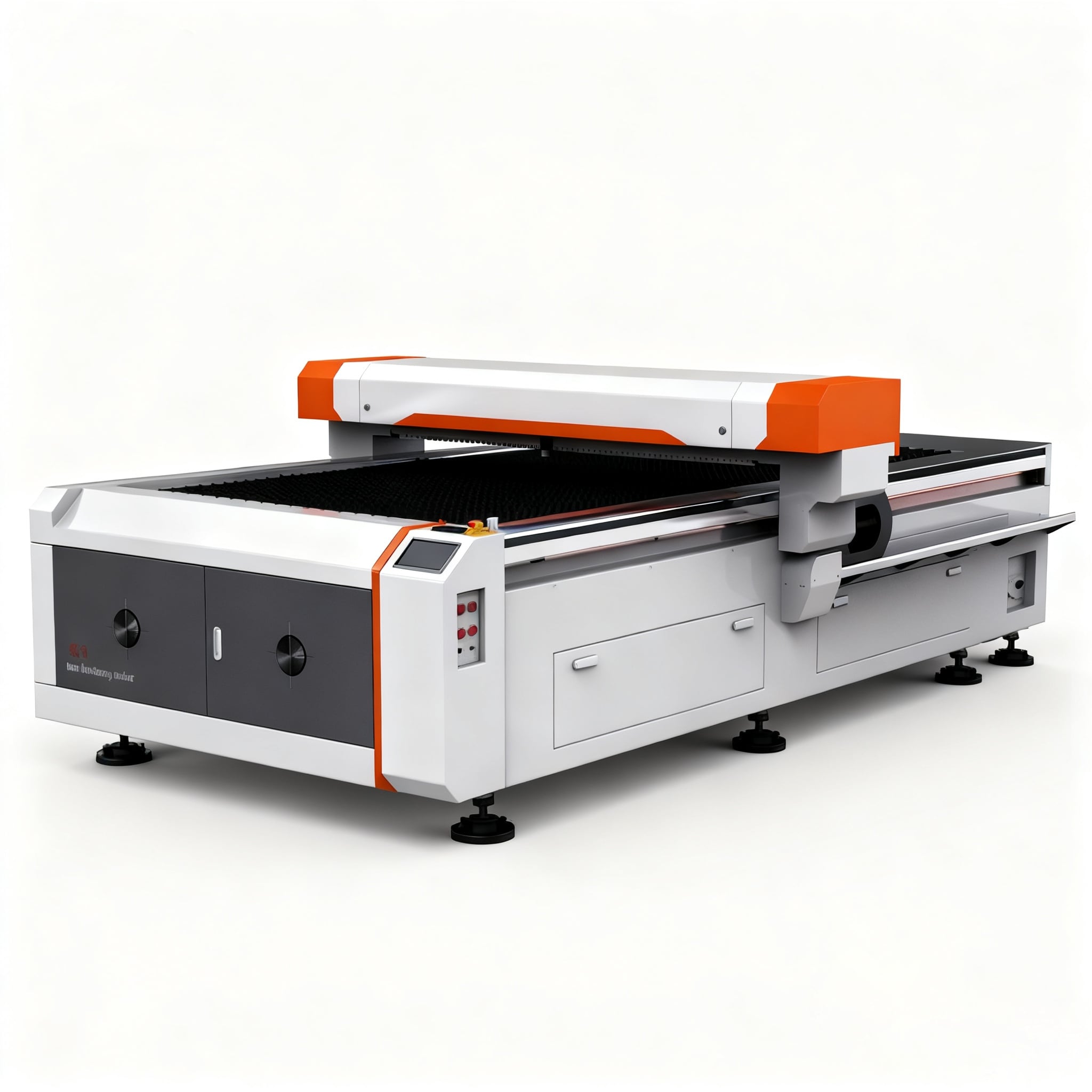
 ×

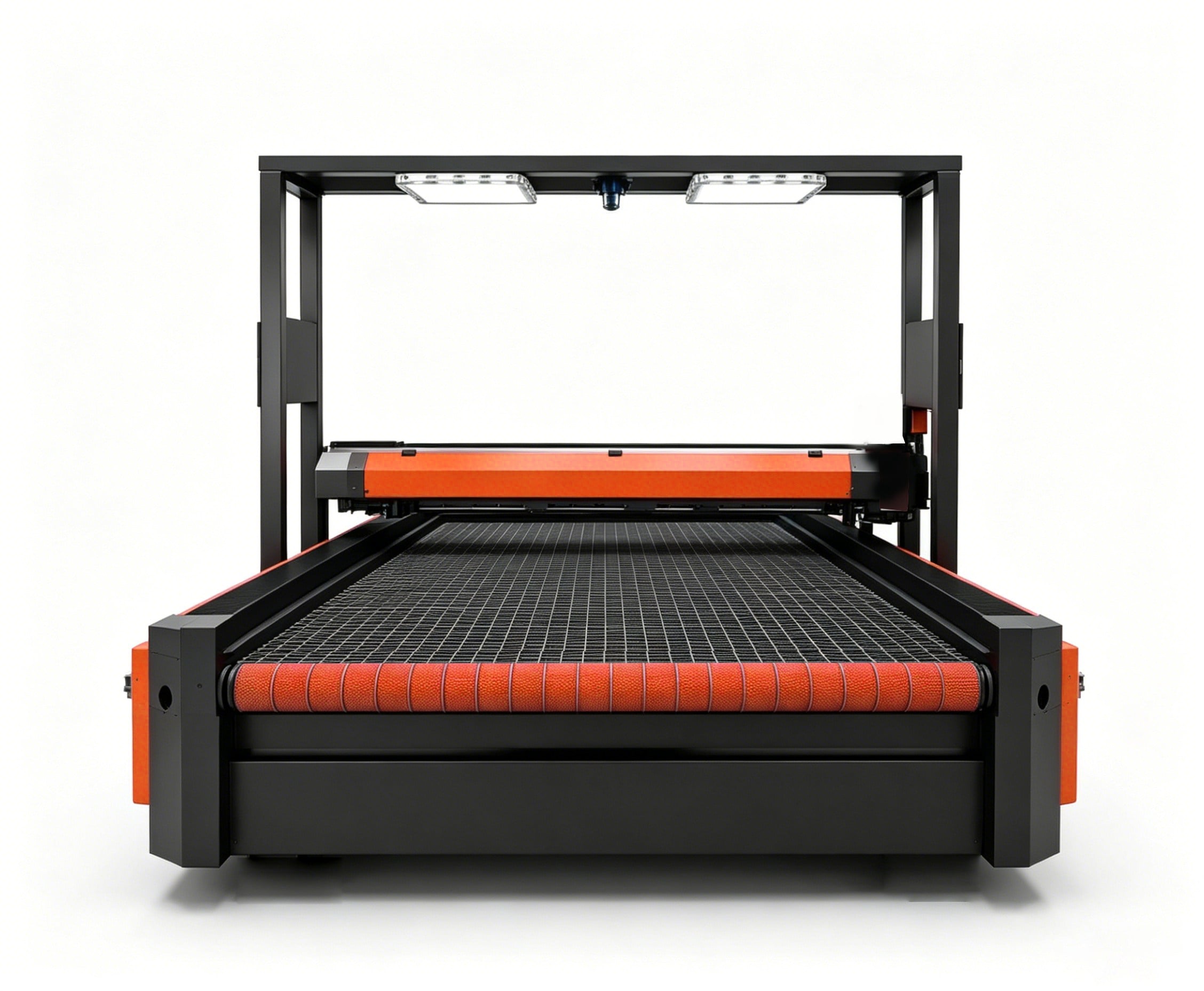
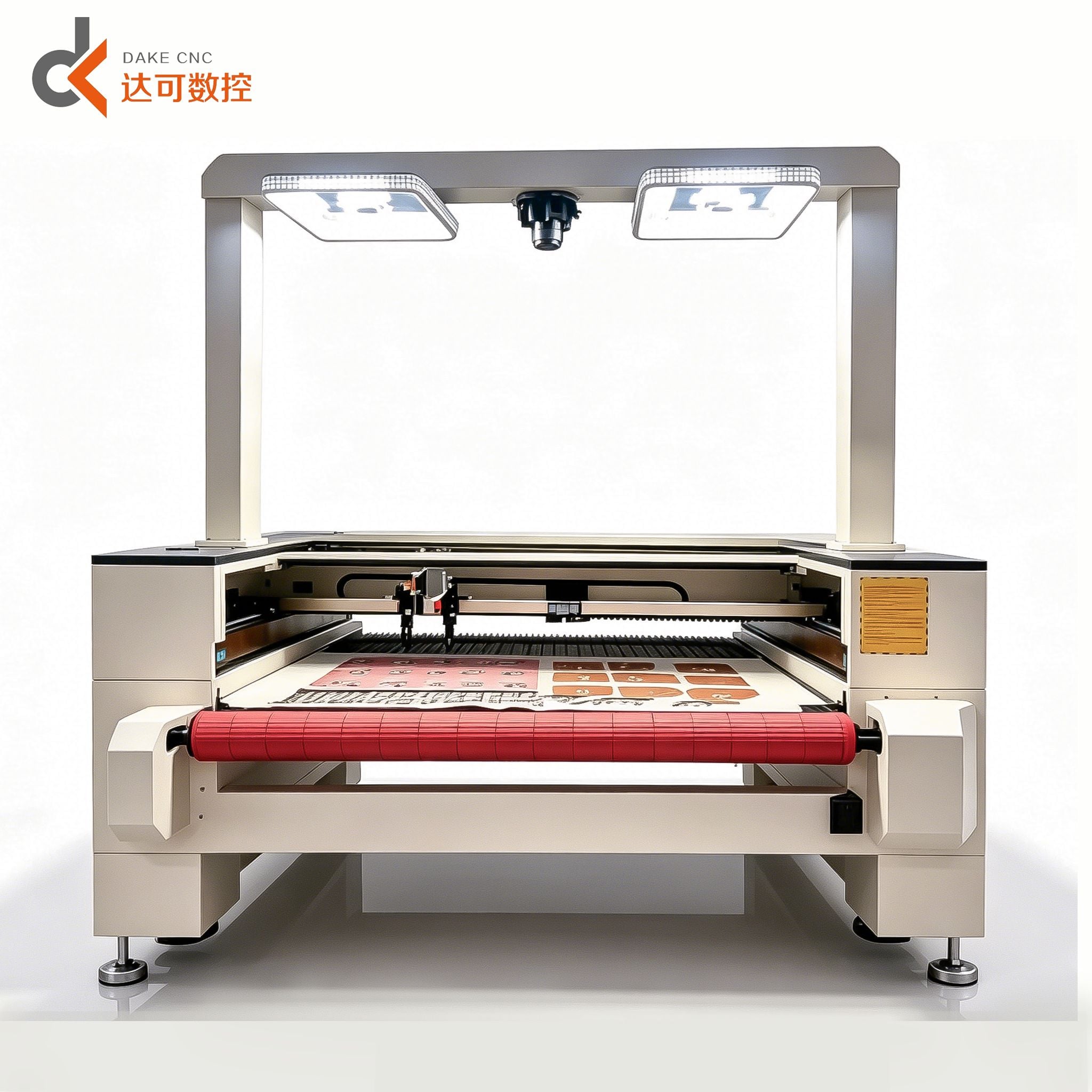
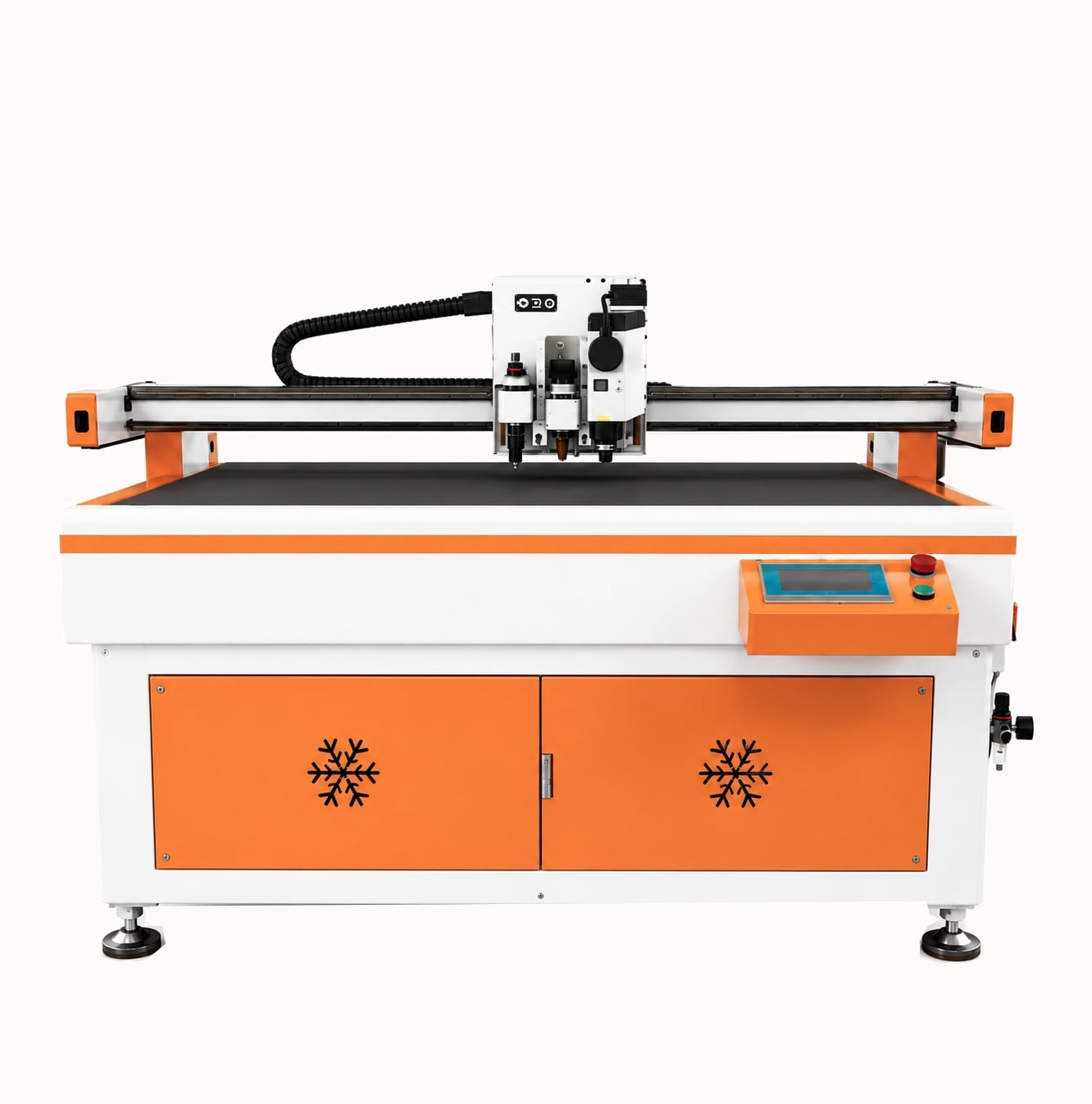
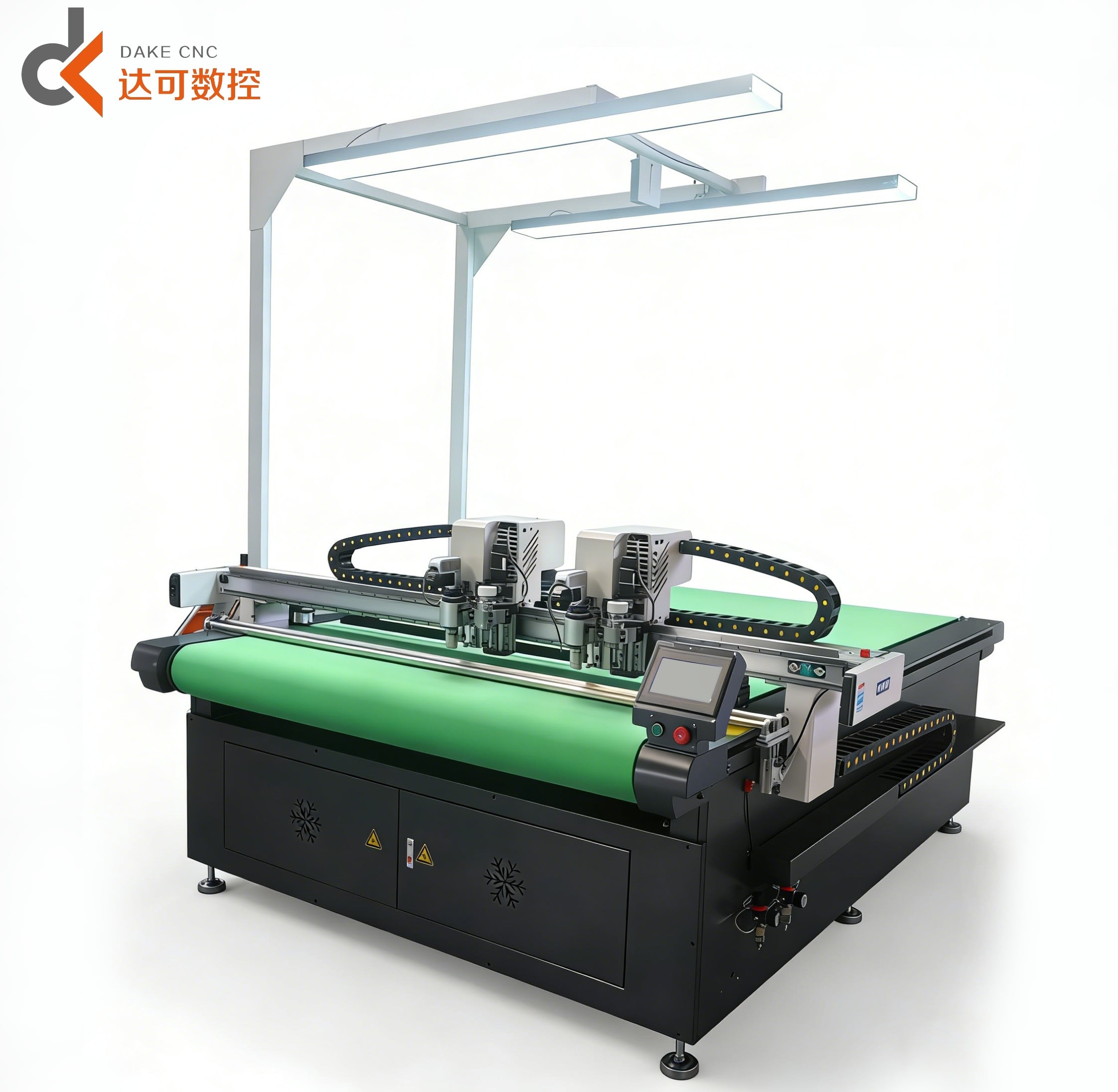
A computerized fabric cutting machine represents one of the most significant technological advances in textile manufacturing and garment production. These machines have transformed how industries approach precision, speed, and consistency in fabric processing. However, the true power behind these sophisticated systems lies not just in their mechanical components, but in the specialized software that controls and optimizes every cutting operation. Understanding the software ecosystem that powers a computerized fabric cutting machine provides valuable insight into modern fabric manufacturing capabilities, operational efficiency gains, and the technical foundation that makes precision cutting possible at industrial scales.
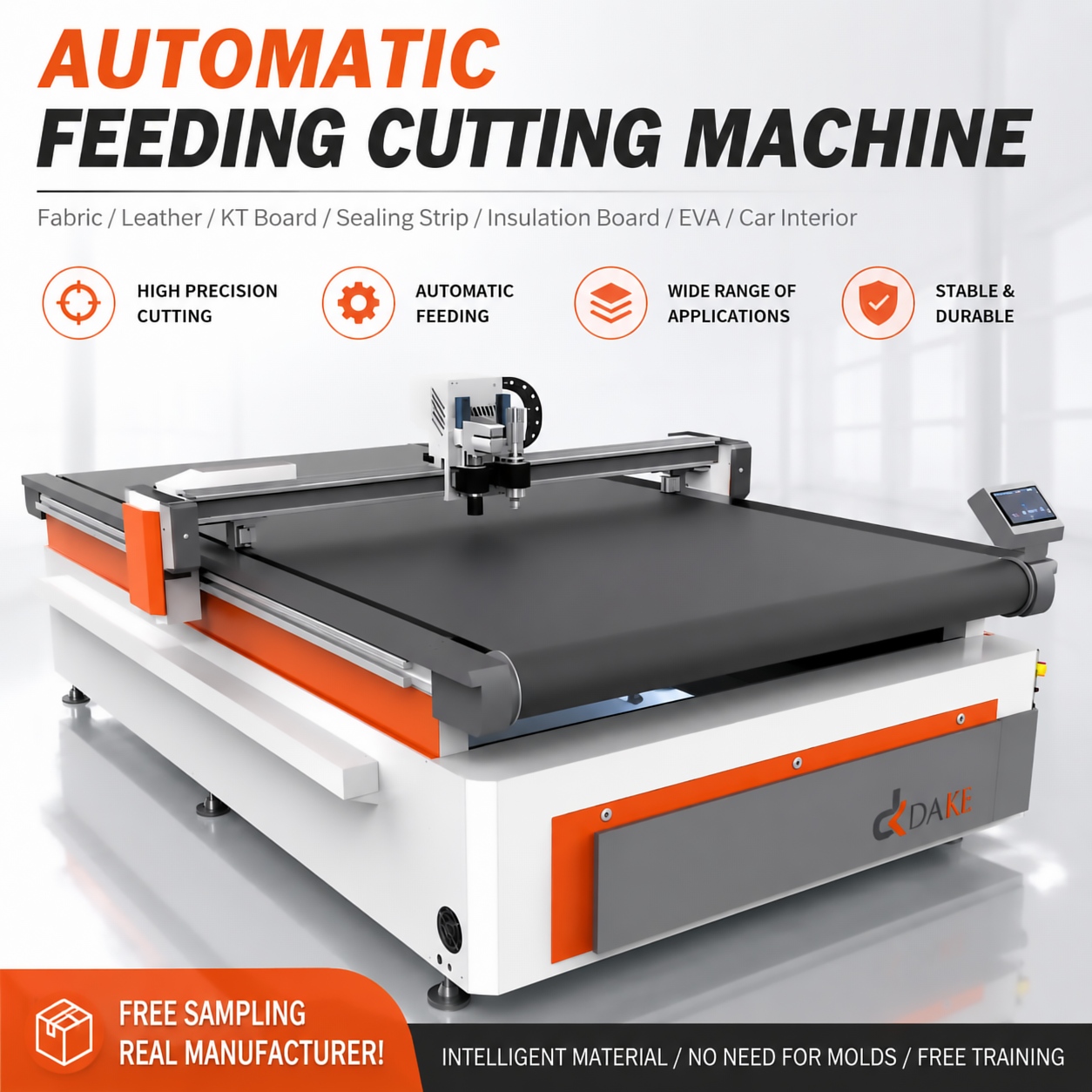
The software that operates a computerized fabric cutting machine integrates multiple technological layers working in harmony. From design import and pattern optimization to real-time motion control and quality monitoring, each software component serves a distinct purpose in the cutting workflow. Manufacturers and cutting service providers who invest in understanding this software architecture gain competitive advantages through faster production cycles, reduced material waste, improved accuracy, and enhanced operational flexibility. This article explores the core software systems, their functions, and how they collectively enable the precision and automation that define modern computerized fabric cutting machine operations.
At the foundation of every computerized fabric cutting machine operates a dedicated motion control system responsible for directing the cutting head, blade movement, and material positioning with micrometer precision. This control software translates digital design files into coordinated mechanical movements, managing acceleration, velocity, and deceleration profiles to ensure smooth, accurate cuts across various fabric types. The operating system running on a computerized fabric cutting machine handles real-time processing demands, sensor feedback integration, and synchronization between multiple axes of motion simultaneously. Industrial-grade operating systems employed in these machines prioritize reliability, eliminating software crashes and ensuring consistent performance across extended production runs. Advanced computerized fabric cutting machine systems utilize proprietary or specialized Linux-based kernels optimized for deterministic real-time performance, allowing sub-millisecond response times to cutting head commands and immediate reaction to sensor signals.
Safety integration represents a critical component of the software controlling any computerized fabric cutting machine. The software must continuously monitor operational status, detect anomalies, and enforce safety protocols automatically without requiring operator intervention. Emergency stop functionality, pressure sensor monitoring, blade condition assessment, and material jam detection all operate through the software layer. Modern computerized fabric cutting machine systems embed safety logic directly into the control software, ensuring that dangerous conditions trigger immediate machine shutdown before personnel or equipment suffers damage. This real-time safety processing happens independently of primary cutting operations, providing redundant protection that meets international industrial safety standards and regulatory requirements for automated cutting equipment.
A computerized fabric cutting machine requires sophisticated software capable of importing and processing design files from various computer-aided design platforms. CAD integration software translates garment patterns, technical drawings, and design specifications into machine-readable formats that the computerized fabric cutting machine can execute. This software layer handles file compatibility across multiple industry-standard formats, including Adobe Illustrator files, AutoCAD drawings, and specialized fashion design applications. The import process validates pattern geometry, identifies potential cutting issues before operations begin, and converts two-dimensional designs into precise cutting paths optimized for the specific capabilities of the computerized fabric cutting machine. Advanced integration software also manages scale adjustments, rotation parameters, and digital nesting optimization to maximize material utilization.
Nesting software represents one of the most valuable components within a computerized fabric cutting machine system, directly impacting material cost and production efficiency. This specialized software algorithmically arranges multiple pattern pieces across available fabric width to minimize waste while accounting for fabric grain direction, pattern orientation, and cutting constraints specific to that computerized fabric cutting machine. Advanced nesting algorithms employed in high-end computerized fabric cutting machine systems utilize machine learning and genetic algorithms to explore thousands of potential arrangements, identifying configurations that reduce offcuts and maximize yield. The software automatically adjusts for fabric properties, pattern complexity, and the specific cutting precision capabilities of the computerized fabric cutting machine, ensuring that nesting layouts remain physically achievable while delivering measurable material savings that directly improve profitability.
Once patterns are nested and ready for production, the software controlling a computerized fabric cutting machine optimizes the actual cutting sequence to minimize tool travel time and reduce unnecessary head movements. Path optimization software calculates the most efficient route through all required cuts, reducing cycle time and energy consumption while maintaining cut quality throughout extended production runs. This optimization layer within the computerized fabric cutting machine software also manages blade pressure settings, cutting speed adjustments for different fabric types, and tool compensation to account for blade wear over time. The software intelligently schedules tool changes, coordinates multi-pass requirements for thick or difficult fabrics, and adjusts cutting parameters dynamically based on real-time feedback from sensors monitoring cutting performance on the computerized fabric cutting machine.
Modern computerized fabric cutting machine systems integrate quality monitoring software that tracks cutting accuracy, detects defects, and logs detailed production data for every cutting operation. This software layer captures metrics including cut deviation tolerance, blade sharpness degradation, material thickness variations, and fabric condition anomalies detected during processing. The quality software running on a computerized fabric cutting machine automatically documents production history, enabling traceability from raw material through finished cut pieces. Advanced systems employ computer vision integration where the computerized fabric cutting machine software analyzes cut edges in real-time, identifying quality issues before pieces move downstream to sewing operations. This data-driven approach transforms a computerized fabric cutting machine from a simple tool into an intelligent production asset that continuously improves cutting consistency, reduces rework requirements, and provides quantifiable quality assurance documentation.
Most modern computerized fabric cutting machine software platforms accept industry-standard file formats including Adobe Illustrator (.ai), AutoCAD (.dwg and .dxf), vector graphic formats (.svg and .pdf), and specialized fashion design software outputs. High-end computerized fabric cutting machine systems also support proprietary formats from leading pattern design companies, ensuring compatibility across your existing design ecosystem. The software layer of a computerized fabric cutting machine typically includes format conversion capabilities that automatically translate between different file types, converting color separations to cutting layers and optimizing geometry for machine execution.
Precision in a computerized fabric cutting machine emerges from continuous feedback loops between position sensors, cutting force monitors, and the control software working together in real-time. The software compensates for mechanical variations, blade wear, material inconsistencies, and environmental factors through adaptive algorithms that adjust cutting parameters automatically. High-resolution encoders provide position feedback that the computerized fabric cutting machine software uses to correct cutting trajectories within micrometers, ensuring that every piece meets exact design specifications regardless of production run length or fabric batch variations.
Yes, software updates can significantly enhance computerized fabric cutting machine capabilities by introducing improved nesting algorithms, faster processing speeds, new file format support, and advanced quality monitoring features. Manufacturers regularly release software updates that optimize computerized fabric cutting machine operations based on user feedback and technological advances, often improving material yield by two to five percent without hardware modifications. Updated software may also enable new cutting techniques, expand compatible fabric types, or integrate with production management systems, making investment in a computerized fabric cutting machine more valuable over time as software enhancements become available.
 Hot News
2026-10-24
2026-10-20
2026-10-16
2026-10-12
2026-10-08
2026-09-24
JINAN DAKE provides industrial CNC laser cutting machines for packaging, advertising, leather & acoustic board applications. 10+ years expertise, 5000+ units shipped, R&D-driven precision. Request a quote today.
Room 507, Building 1, Hisense Innovation Valley, Shunhua Road Subdistrict, Jinan City,Shandong Province,China
Copyright © 2026 Jinan DAKE CNC Equipment Co.,Ltd All rights reserved. Privacy Policy

 EN