 ×

Selecting the right computerized fabric cutting machine is one of the most critical decisions a textile manufacturer or apparel producer can make. The choice directly impacts production efficiency, material waste, cost per unit, and overall product quality. A computerized fabric cutting machine that aligns with your operational demands will streamline workflows, reduce labor costs, and enable faster order fulfillment. Conversely, choosing poorly can lead to bottlenecks, excessive downtime, and inefficient use of capital. This guide walks you through the essential factors that determine whether a specific computerized fabric cutting machine is truly right for your business.
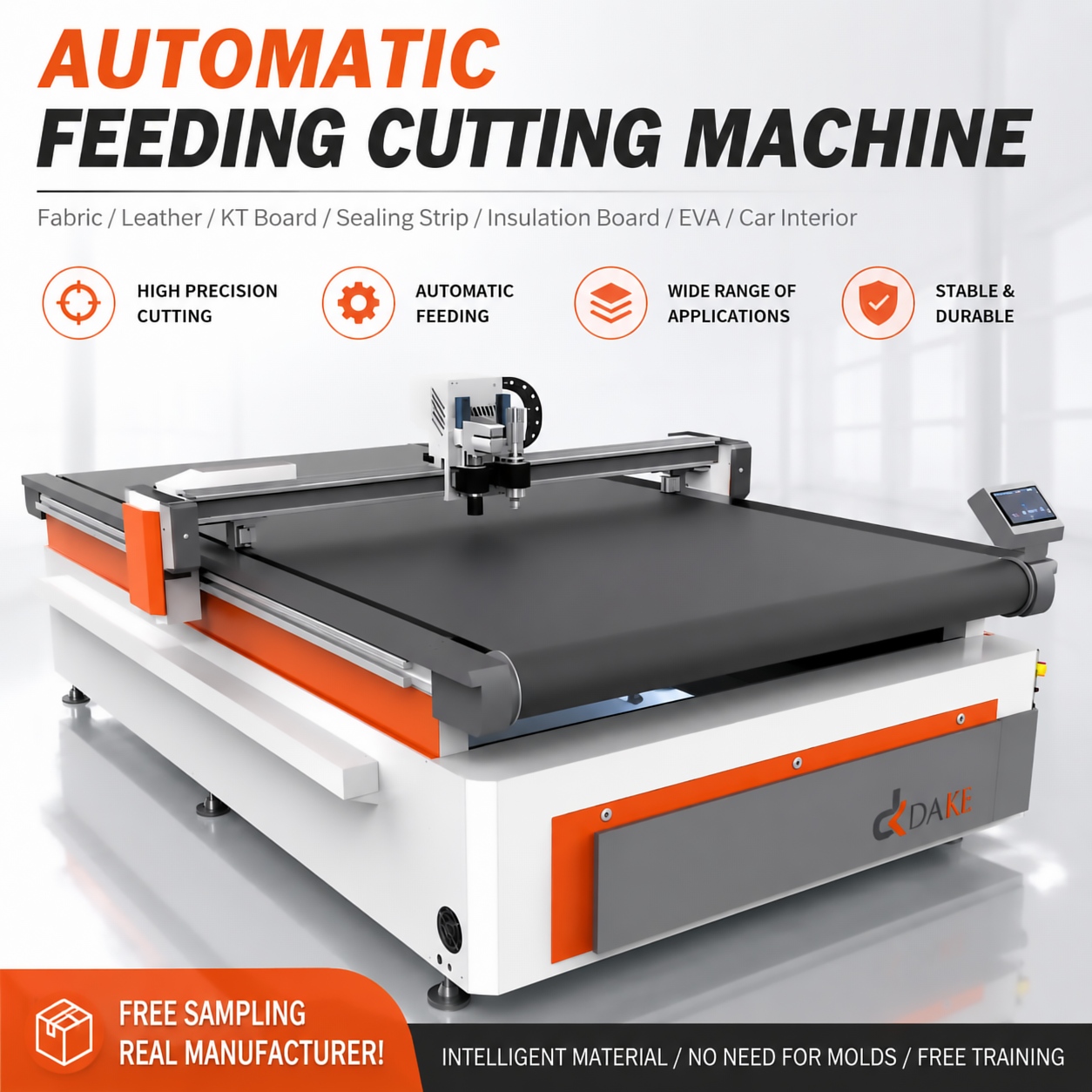
The decision process for a computerized fabric cutting machine should never rely on price alone or vendor recommendations without careful technical evaluation. Modern textile production requires precision, speed, and flexibility—qualities that vary significantly across different computerized fabric cutting machine models and manufacturers. Understanding your specific production requirements, material types, order volumes, and long-term growth plans forms the foundation for selecting a computerized fabric cutting machine that delivers measurable return on investment and operational excellence.
Before evaluating any computerized fabric cutting machine, you must define your actual production volumes and speed requirements. Consider both current demand and anticipated growth over the next three to five years. A computerized fabric cutting machine designed for small-batch custom orders will not serve a facility running high-volume commodity production, and vice versa. Cutting speed—measured in meters per minute or pieces per hour—directly correlates to machine cost, operational efficiency, and payback period. If your facility processes 10,000 pieces monthly today but forecasts 30,000 pieces within two years, your computerized fabric cutting machine investment must accommodate that trajectory without requiring another capital purchase.
Different computerized fabric cutting machine models handle different material specifications with varying degrees of effectiveness. Lightweight silk, medium-weight cotton, heavy denim, technical synthetics, and composite materials all demand different cutting parameters. When selecting a computerized fabric cutting machine, confirm that it can process the full spectrum of fabrics your business currently uses and plans to introduce. Blade type, pressure settings, and servo motor precision all affect how well a computerized fabric cutting machine cuts through thick, dense materials without creating fraying, charring, or inconsistent edges. Requesting sample cuts from vendor demonstrations is essential; never assume a computerized fabric cutting machine will perform equally across all material types.
Cutting accuracy is the backbone of garment consistency and customer satisfaction. A computerized fabric cutting machine with ±2mm tolerance is fundamentally different from one with ±0.5mm tolerance, particularly in fashion apparel where seam alignment and silhouette precision drive product quality. When comparing computerized fabric cutting machine options, request documented specifications on positional accuracy, servo motor resolution, and calibration methods. The best computerized fabric cutting machine systems include automatic calibration features that maintain accuracy across thousands of cutting cycles without manual adjustment. Edge quality matters equally—a computerized fabric cutting machine that produces clean, sealed edges reduces downstream finishing labor and improves final product appearance.
The software driving your computerized fabric cutting machine determines how quickly you can adapt to design changes, add new patterns, and optimize material utilization. Advanced computerized fabric cutting machine systems support seamless integration with design software like Adobe Illustrator, CAD platforms, and ERP systems, allowing digital patterns to flow directly to the cutting table without manual reentry or format conversion. Pattern nesting optimization—the algorithmic arrangement of pieces to minimize scrap—separates efficient computerized fabric cutting machine operations from wasteful ones. Evaluate whether your chosen computerized fabric cutting machine includes artificial intelligence-driven nesting that learns from previous layouts and continuously improves material yield.
Purchase price represents only one component of total cost when acquiring a computerized fabric cutting machine. Maintenance contracts, replacement blade costs, software licenses, operator training, and energy consumption all accumulate over the machine's operational lifespan. A computerized fabric cutting machine priced at $80,000 with low maintenance and high throughput often delivers better ROI than a cheaper $50,000 system requiring frequent blade replacements and service calls. Calculate payback period by dividing total investment by monthly savings in labor reduction, material waste elimination, and increased throughput. Most well-chosen computerized fabric cutting machine installations achieve payback within 18 to 36 months, after which they generate pure operational profit.
The vendor's commitment to support after purchase significantly influences whether your computerized fabric cutting machine achieves its intended performance. Verify that spare parts—particularly blades, servo motors, and bearings—are readily available and competitively priced. Request information about technician response times, remote diagnostics capabilities, and training programs for your operators. A computerized fabric cutting machine installed in a facility with well-trained staff and accessible vendor support operates at peak efficiency; one installed without proper preparation often underperforms. Confirm that the vendor provides detailed user manuals, video tutorials, and ongoing technical consultation to help your team extract maximum value from your computerized fabric cutting machine investment.
Before committing to a specific computerized fabric cutting machine, evaluate whether your facility can accommodate it. Floor space, electrical supply, climate control, and dust extraction systems all affect whether a computerized fabric cutting machine can operate safely and reliably. Larger computerized fabric cutting machine systems consume substantial electrical power and generate cutting dust; inadequate infrastructure leads to poor performance and costly retrofitting. Request installation assessments from the vendor to identify any modifications needed. Consider also whether your current workflow can adapt to the computerized fabric cutting machine's footprint and material handling requirements, or whether you need to redesign your entire cutting department layout.
Modern computerized fabric cutting machine systems include safety sensors, emergency stops, and guarding that protect operators from blade contact and pinch points. Evaluate whether your chosen computerized fabric cutting machine meets relevant safety standards for your region and industry. Think also about scalability: can you add automatic material feeders, conveyor systems, or bundling equipment to your computerized fabric cutting machine later? A computerized fabric cutting machine with open architecture allows future upgrades; proprietary systems lock you into single-vendor reliance. Future-proofing your investment means selecting a computerized fabric cutting machine from a vendor with a clear technology roadmap and genuine commitment to helping you evolve your operations as your business grows.
Most modern computerized fabric cutting machine systems handle natural fabrics like cotton, wool, and silk, as well as synthetics like polyester, nylon, and spandex. Many also cut non-woven materials, leather, and technical composites. Always verify the specific thickness range, pressure range, and blade compatibility of your chosen computerized fabric cutting machine to ensure it matches your material specifications.
Blade life depends heavily on cutting volume, material type, and maintenance practices. A well-maintained computerized fabric cutting machine blade typically lasts between 40,000 and 100,000 linear meters of cutting before requiring replacement or resharpening. High-density materials deplete blades faster. Factor blade replacement costs into your total cost of ownership when comparing computerized fabric cutting machine options.
Basic operator training for a computerized fabric cutting machine typically requires 2 to 5 days of hands-on instruction covering software navigation, pattern loading, material positioning, and routine maintenance. Advanced training for pattern design and optimization may require additional time. Reputable computerized fabric cutting machine vendors provide comprehensive training as part of the installation package.
 Hot News
2026-10-24
2026-10-20
2026-10-16
2026-10-12
2026-10-08
2026-09-24
JINAN DAKE provides industrial CNC laser cutting machines for packaging, advertising, leather & acoustic board applications. 10+ years expertise, 5000+ units shipped, R&D-driven precision. Request a quote today.
Room 507, Building 1, Hisense Innovation Valley, Shunhua Road Subdistrict, Jinan City,Shandong Province,China
Copyright © 2026 Jinan DAKE CNC Equipment Co.,Ltd All rights reserved. Privacy Policy

 EN