 ×

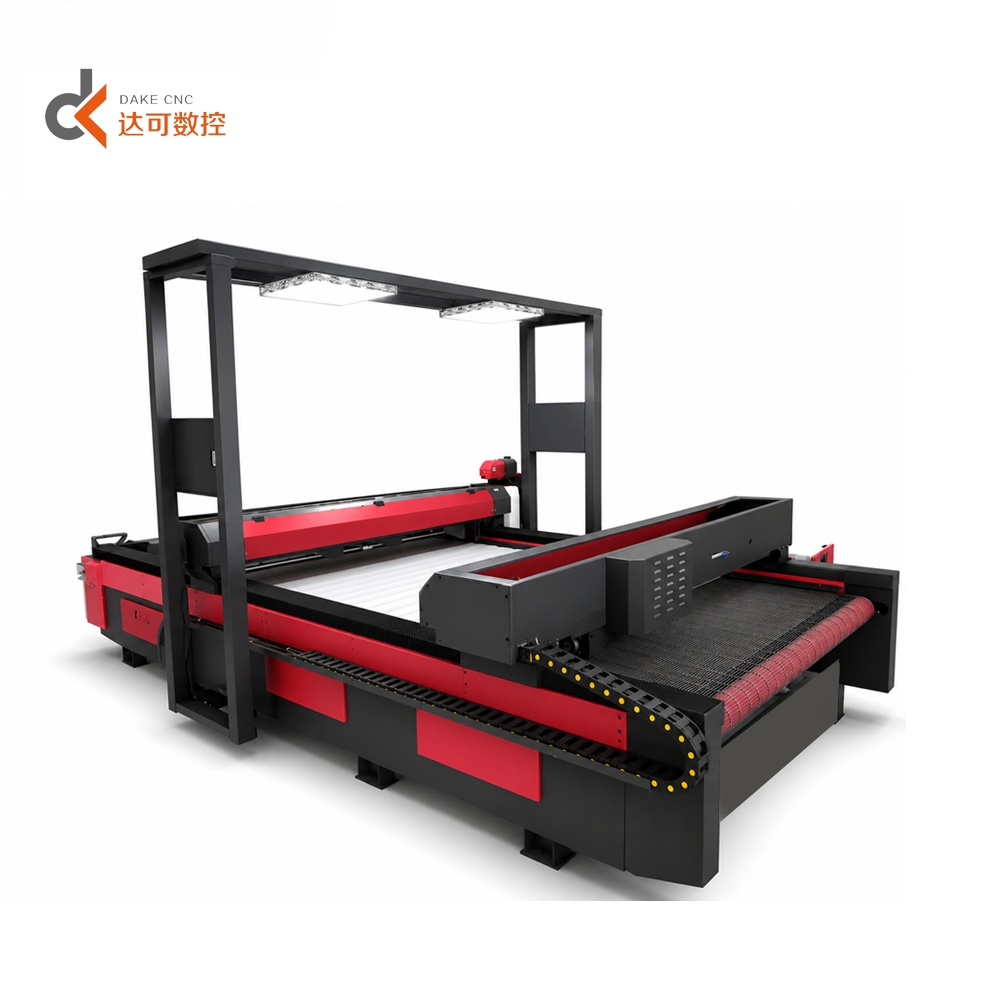
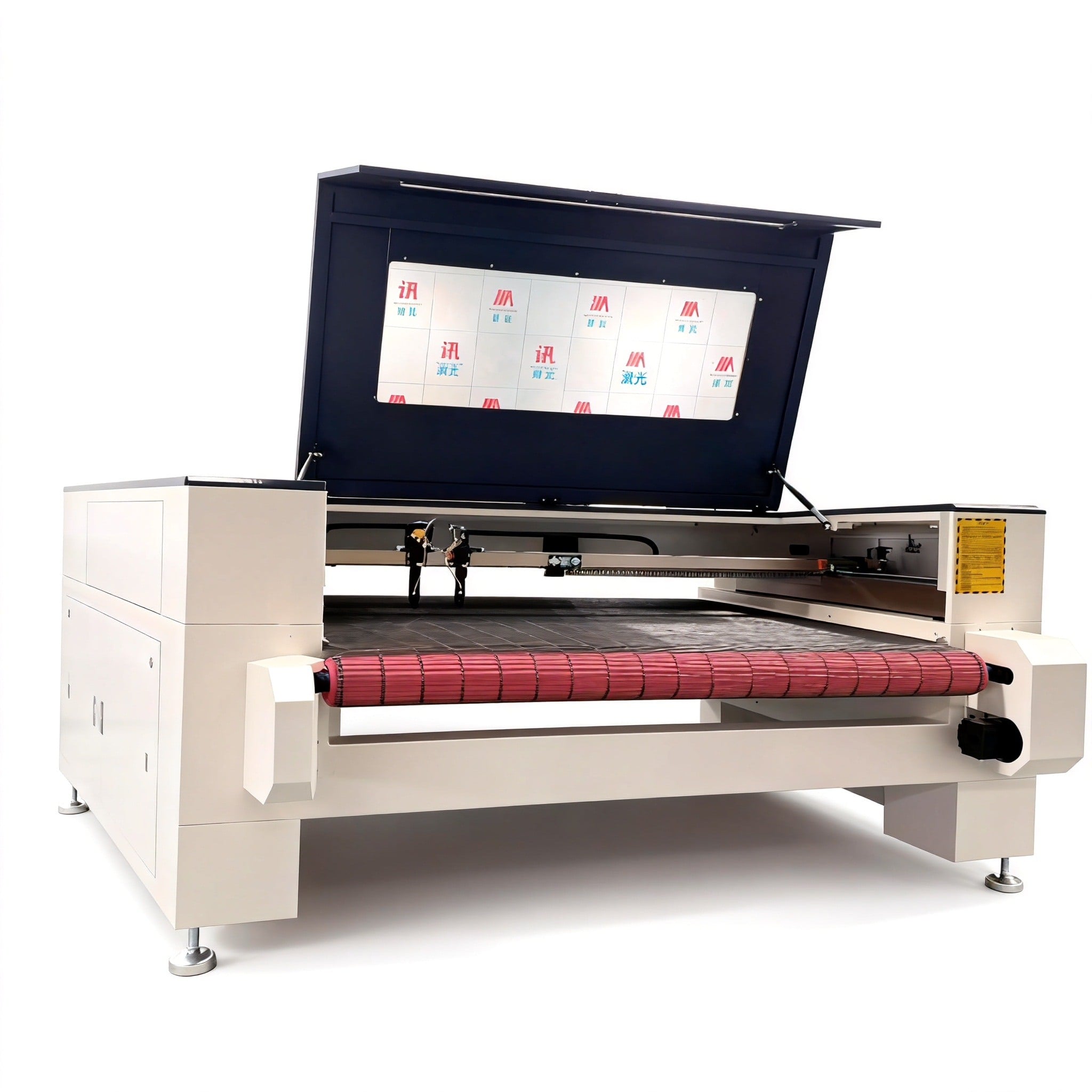
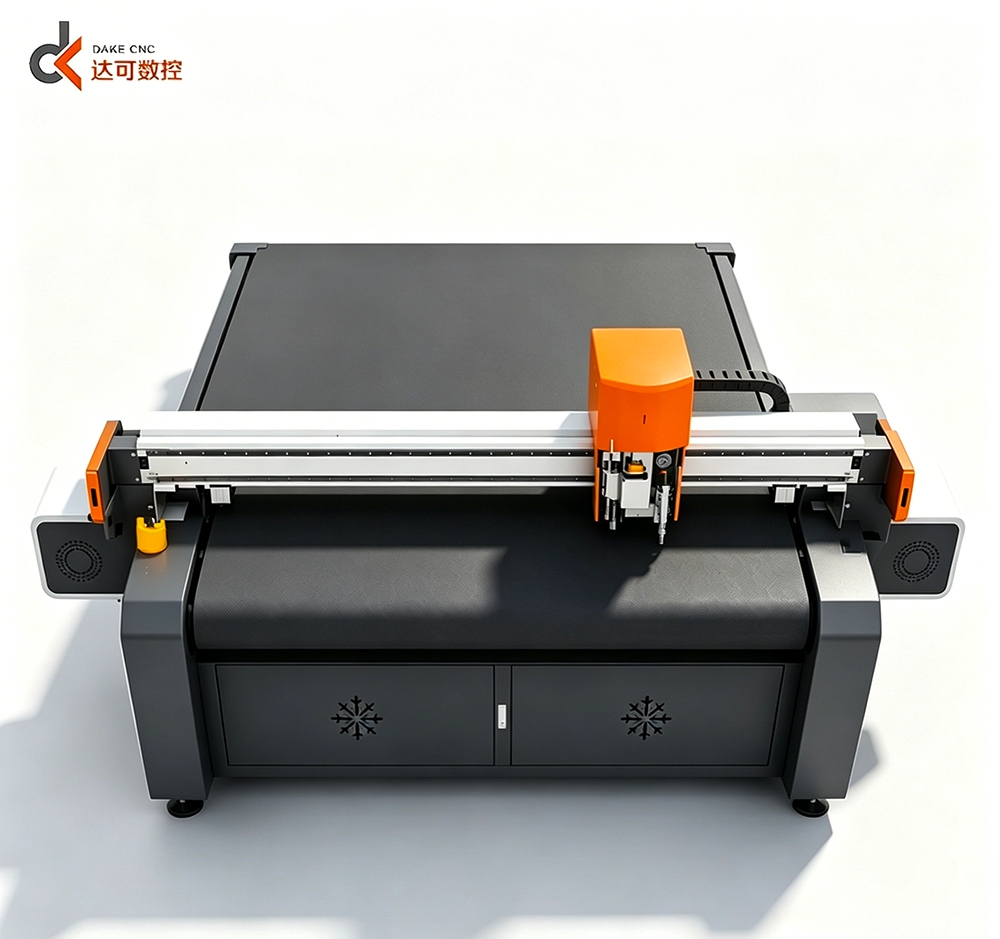
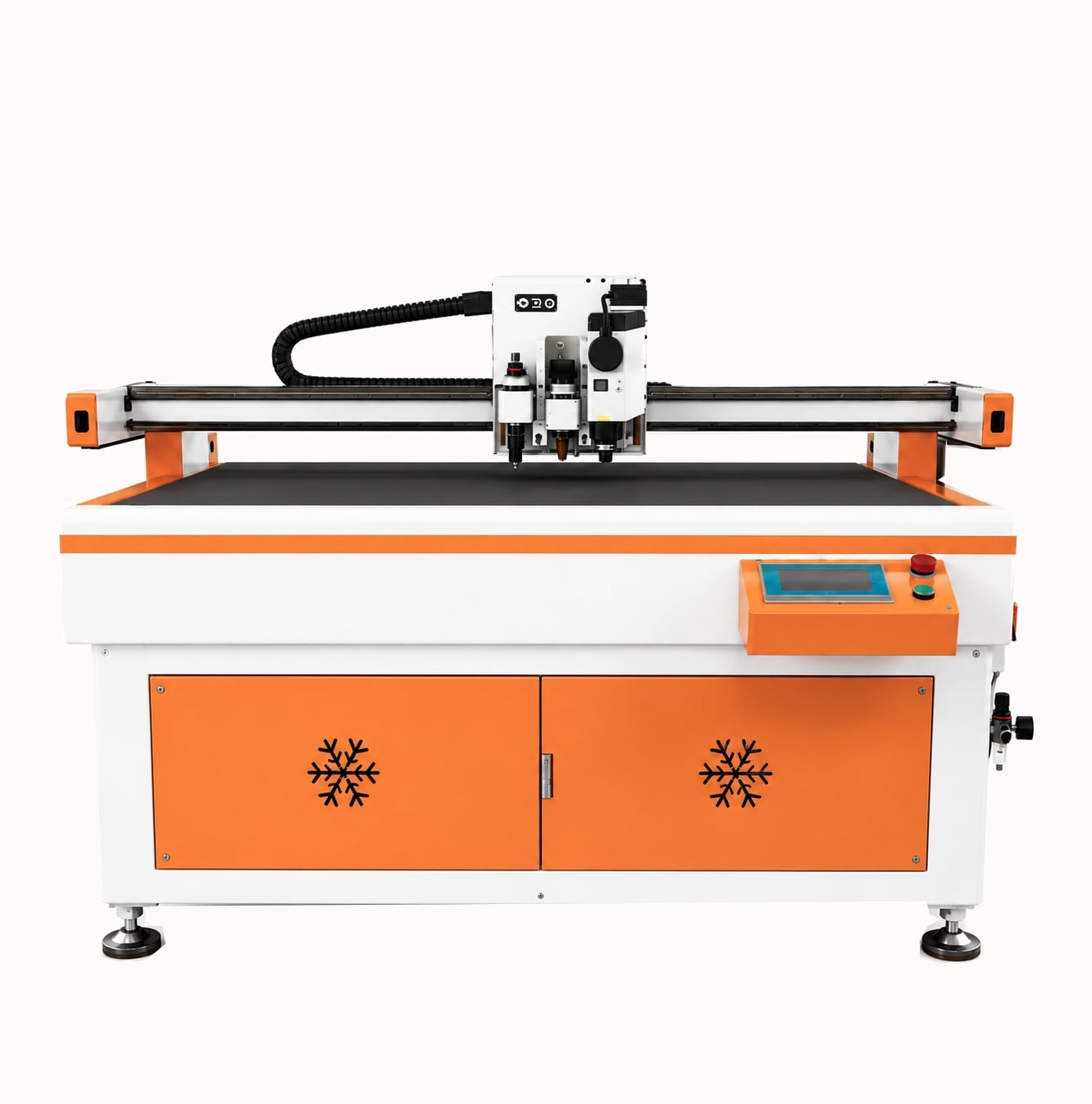
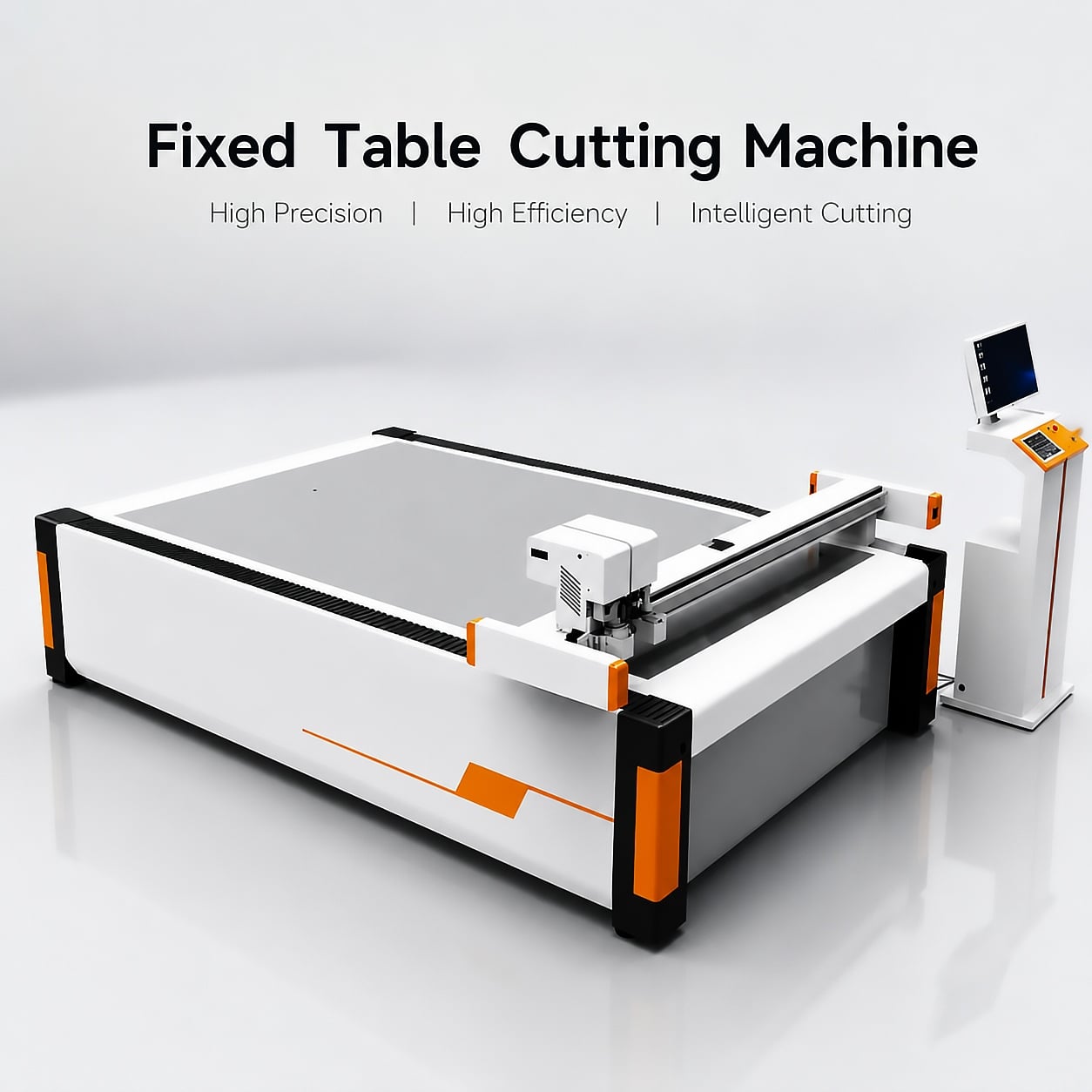
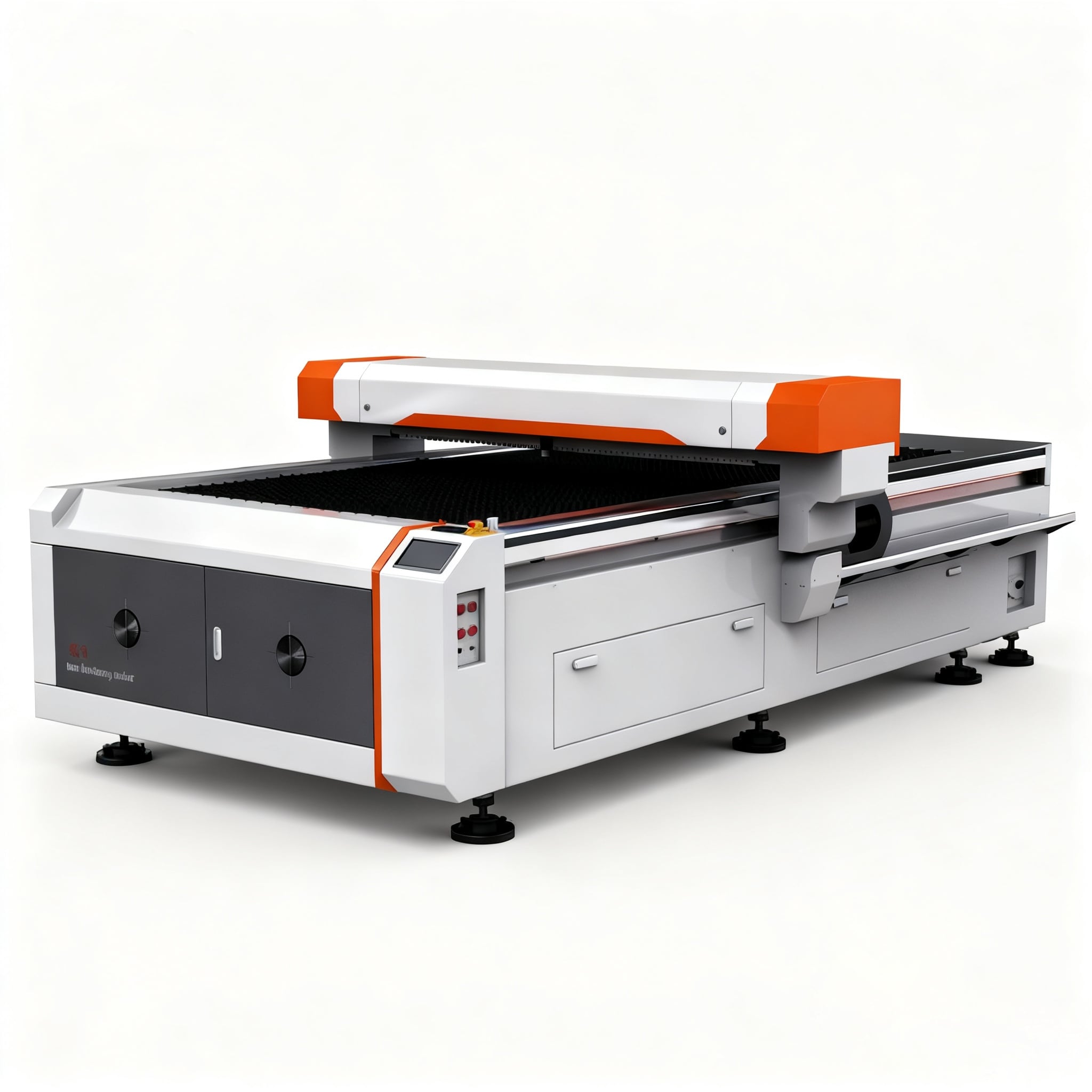
A foam cutting machine represents a strategic investment for manufacturers, fabricators, and processing facilities handling expanded polystyrene, polyurethane, polyethylene, or specialty foam materials. Understanding which applications justify the capital expenditure is essential before committing resources. The right foam cutting machine can transform production efficiency, reduce material waste, improve dimensional accuracy, and open access to high-margin product categories that manual or outdated cutting methods cannot serve competitively.
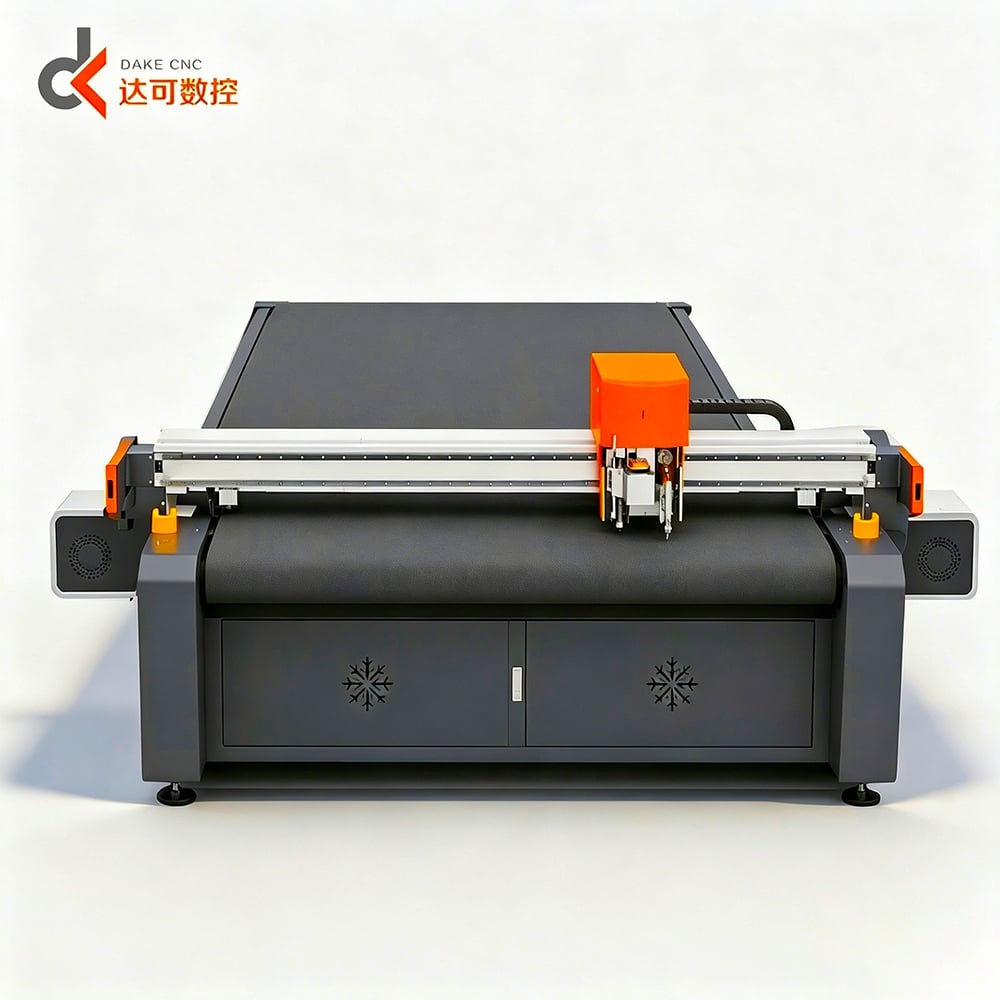
The decision to invest in a foam cutting machine depends on aligning the technology with high-volume or precision-critical production scenarios where traditional tools fall short. Whether your facility operates in thermal insulation, packaging protection, acoustic treatment, automotive interiors, or specialized industrial applications, a foam cutting machine deployment must address genuine capacity, quality, or profitability constraints that justify the acquisition cost.
Building and construction sectors rely heavily on rigid foam sheets for wall cavities, roof decking, foundation systems, and HVAC ductwork insulation. A foam cutting machine enables fabricators to process large foam blocks into custom-sized panels, beveled edges, tongue-and-groove interlocks, and precisely dimensioned components that meet building codes and installation specifications. The foam cutting machine handles material volumes that justify dedicated equipment because construction contractors order in bulk and demand consistent sizing to accelerate on-site assembly and minimize waste during installation.
Thermal performance depends on accurate foam thickness, edge integrity, and dimensional consistency. A foam cutting machine maintains tighter tolerances than manual saws, reducing air gaps at joints and improving insulation efficacy across entire structures. Facilities supplying commercial construction, residential developers, and renovation contractors find that investing in a foam cutting machine directly increases their competitive capacity and order fulfillment speed, making the investment profitable within 12 to 24 months through higher throughput and premium pricing for precision-cut components.
Spray-applied polyurethane and closed-cell foam systems require precision cutting for edge trimming, window frame wrapping, and template-matched components. A foam cutting machine delivers the accuracy and speed that closed-cell foam's premium pricing demands. These foams cost significantly more than commodity materials, so minimizing scrap through precision cutting directly protects margin and material cost. Contractors using a foam cutting machine can deliver sealed, finished installations faster, capture higher labor rates, and reduce callbacks due to edge irregularities or improper sizing.
Industries shipping fragile electronics, medical devices, industrial equipment, and specialized instruments depend on custom-molded expanded polystyrene packaging that absorbs shock, isolates components, and prevents damage during transit. A foam cutting machine enables packaging fabricators to produce nested inserts, corner blocks, edge guards, and custom cavity configurations that match product geometry exactly. Rather than relying on injection molding or hand-carved solutions, a foam cutting machine achieves fast turnaround times and handles small production runs economically because setup times are minimal and material cost is low.
Clients requiring protective packaging solutions often demand quick samples, design iterations, and production flexibility that justify a foam cutting machine investment. The ability to produce first prototypes within hours rather than weeks accelerates customer acquisition and enables packaging fabricators to serve markets where competitors using older methods cannot compete on speed or customization. A foam cutting machine thus expands addressable market opportunity and attracts higher-value customers willing to pay premium rates for responsive, precision-engineered packaging solutions.
Logistics and fulfillment operations use foam sheets, blocks, and engineered components as cushioning material for void fill, edge protection, and load stabilization in shipping containers. A foam cutting machine reduces dependency on pre-molded stock items and allows fabricators to create custom padding profiles that match the exact interior dimensions of packaging configurations. This optimization reduces void space, decreases packaging material volume, and lowers shipping weight, delivering tangible cost savings to customers and enabling the foam cutting machine investment to pay for itself through volume pricing discounts and reduced logistics overhead.
Building acoustic performance requires precision-cut foam panels for wall cavities, ceiling systems, and interior partitioning that absorb unwanted noise. A foam cutting machine enables fabricators to produce panels with exact dimensions, beveled edges, notched configurations, and mounting provisions that installation crews require. Commercial buildings, recording studios, educational institutions, and industrial facilities with noise control demands create consistent demand for precision acoustic foam components that a foam cutting machine produces cost-effectively at scale.
The acoustic market values consistent performance and professional appearance, both of which a foam cutting machine delivers compared to manual cutting methods. Facilities investing in a foam cutting machine can capture higher-margin acoustics work, serve professional audio environments where tolerances are non-negotiable, and build long-term contracts with architects, builders, and facility managers seeking reliable suppliers. The foam cutting machine becomes a differentiation factor that justifies premium pricing and expands market reach into sectors where quality and precision directly influence purchasing decisions.
Mechanical contractors and sheet metal fabricators wrap foam around ductwork, plenums, and equipment housing to reduce thermal loss and vibration noise. A foam cutting machine cuts foam sleeves, mitered joints, and component-specific wrappings that fit tight dimensional requirements and minimize installation time. The foam cutting machine handles volume production efficiently, ensuring consistent quality across large commercial projects where ductwork extends hundreds of linear feet and requires thousands of interconnected components.
Automotive manufacturers and tier-one suppliers use foam cutting machines to produce seat cushioning, headrests, armrest pads, door panel backing, and thermal barrier components that meet comfort, durability, and safety specifications. A foam cutting machine handles density variations, complex geometry, and production volumes that justify the capital investment because automotive supply contracts demand consistency, traceability, and rapid design iteration. Suppliers equipped with a foam cutting machine can respond to engineering changes faster than competitors, maintain supply reliability, and capture new model platforms as manufacturers shift production or add variants.
Industrial equipment manufacturers use precision-cut foam gaskets, vibration isolators, and thermal seals in machinery, appliances, and control systems. A foam cutting machine produces custom gasket profiles, pre-compressed components, and engineered inserts that improve equipment performance and reduce assembly defects. The foam cutting machine justifies investment when equipment designers require tight tolerances, rapid prototyping, and production flexibility that older cutting methods cannot match economically or reliably.
Construction, thermal insulation, packaging protection, acoustic treatment, automotive manufacturing, and logistics companies see the highest return on investment. Industries processing high volumes of expanded polystyrene, polyurethane, or specialty foam materials in precision-critical applications benefit most because a foam cutting machine reduces waste, accelerates throughput, improves dimensional consistency, and opens access to premium customer segments that demand custom capabilities.
A foam cutting machine reduces scrap waste, increases production speed, enables smaller batch profitability, delivers consistent dimensional accuracy that minimizes returns, and allows fabricators to serve higher-margin markets where precision and fast turnaround command premium pricing. The improved material utilization, faster cycle times, and ability to offer custom configurations directly translate to higher gross margins and capacity to serve larger contracts that would be unprofitable using manual cutting approaches.
Production volume justification depends on material cost, product margins, and application complexity, but typically a foam cutting machine investment becomes profitable when facilities produce custom foam components consistently, handle multiple material types, or serve customers demanding rapid design changes and small production run flexibility. Facilities processing 50 to 100 tons of foam materials annually or generating 15 to 25 percent of revenue from precision-cut foam products should evaluate a foam cutting machine investment seriously, especially if current methods create production bottlenecks or quality constraints.
 Hot News
2026-10-24
2026-10-20
2026-10-16
2026-10-12
2026-10-08
2026-09-24
JINAN DAKE provides industrial CNC laser cutting machines for packaging, advertising, leather & acoustic board applications. 10+ years expertise, 5000+ units shipped, R&D-driven precision. Request a quote today.
Room 507, Building 1, Hisense Innovation Valley, Shunhua Road Subdistrict, Jinan City,Shandong Province,China
Copyright © 2026 Jinan DAKE CNC Equipment Co.,Ltd All rights reserved. Privacy Policy

 EN