Textile Cutting Machine Price Guide

Get a Free Quote

Our representative will contact you soon.
Email
Name
Company Name
Message
0/1000

textile cutting machine price

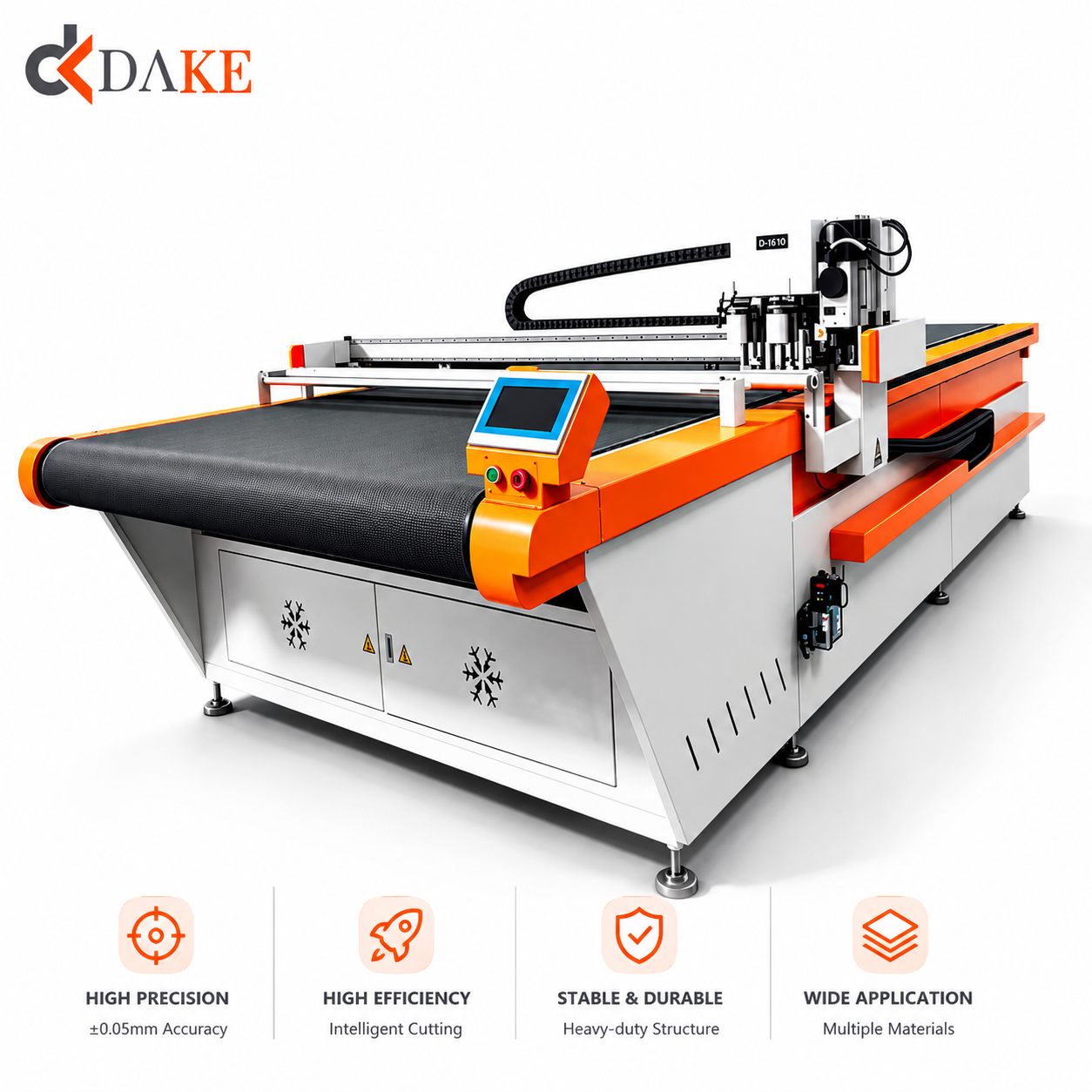
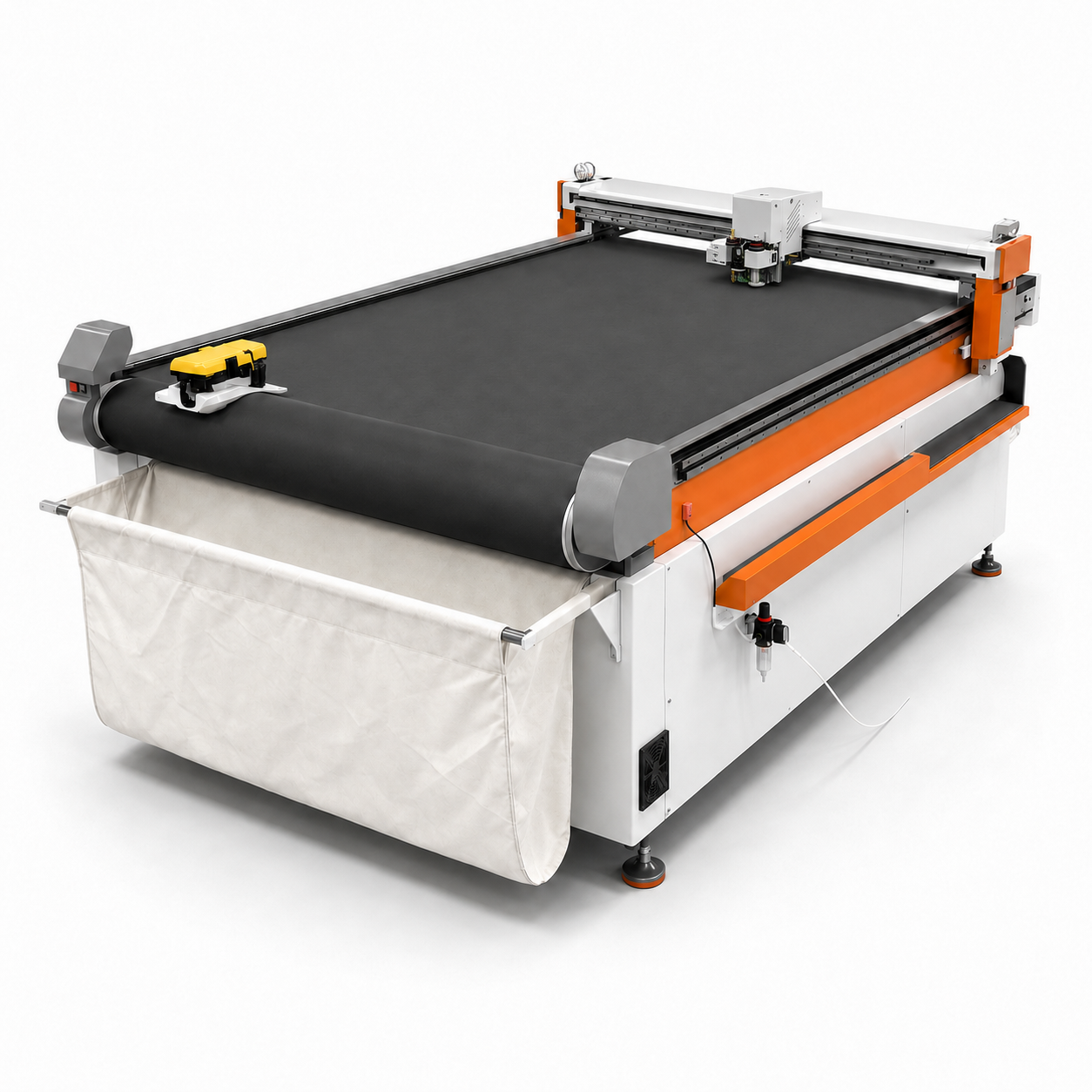
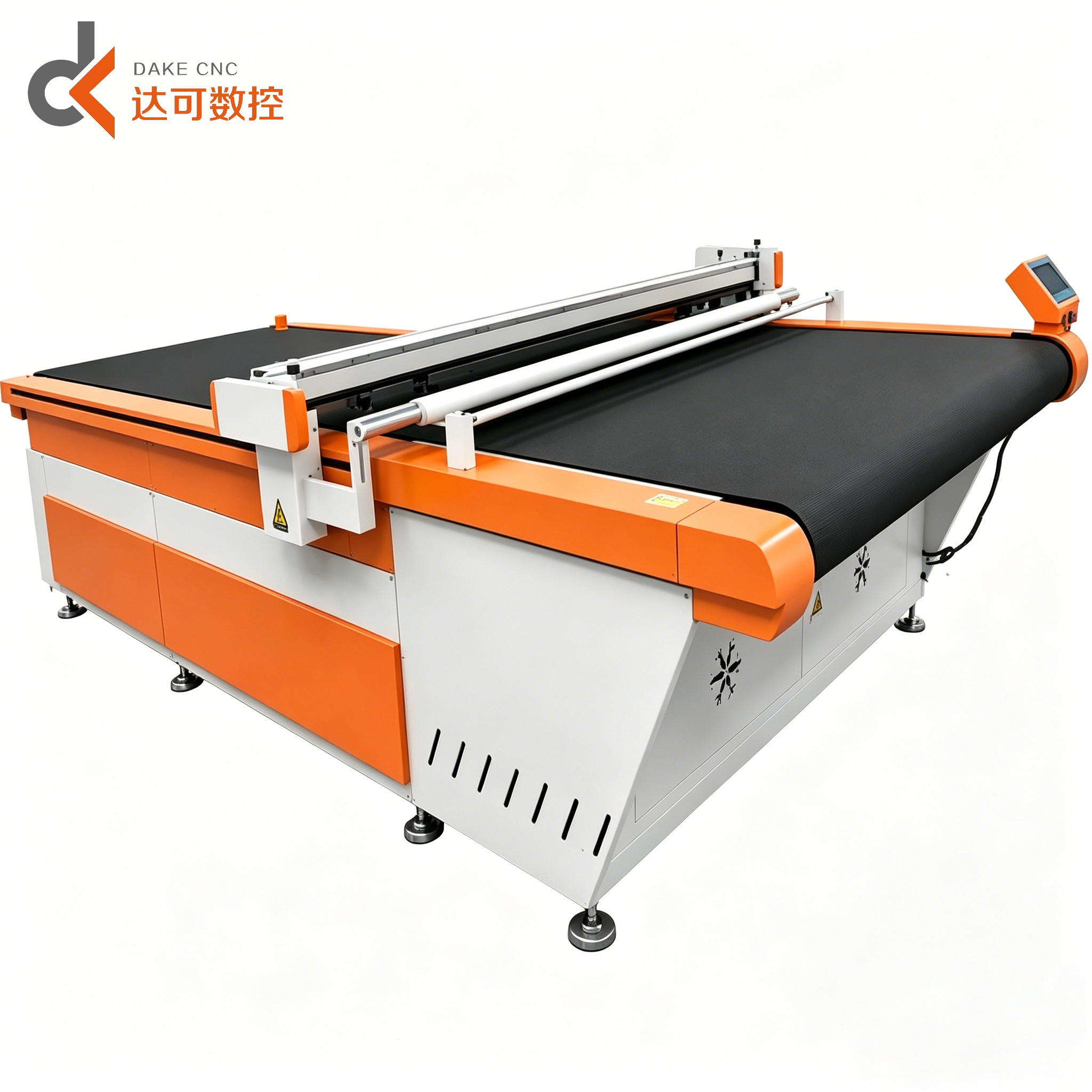
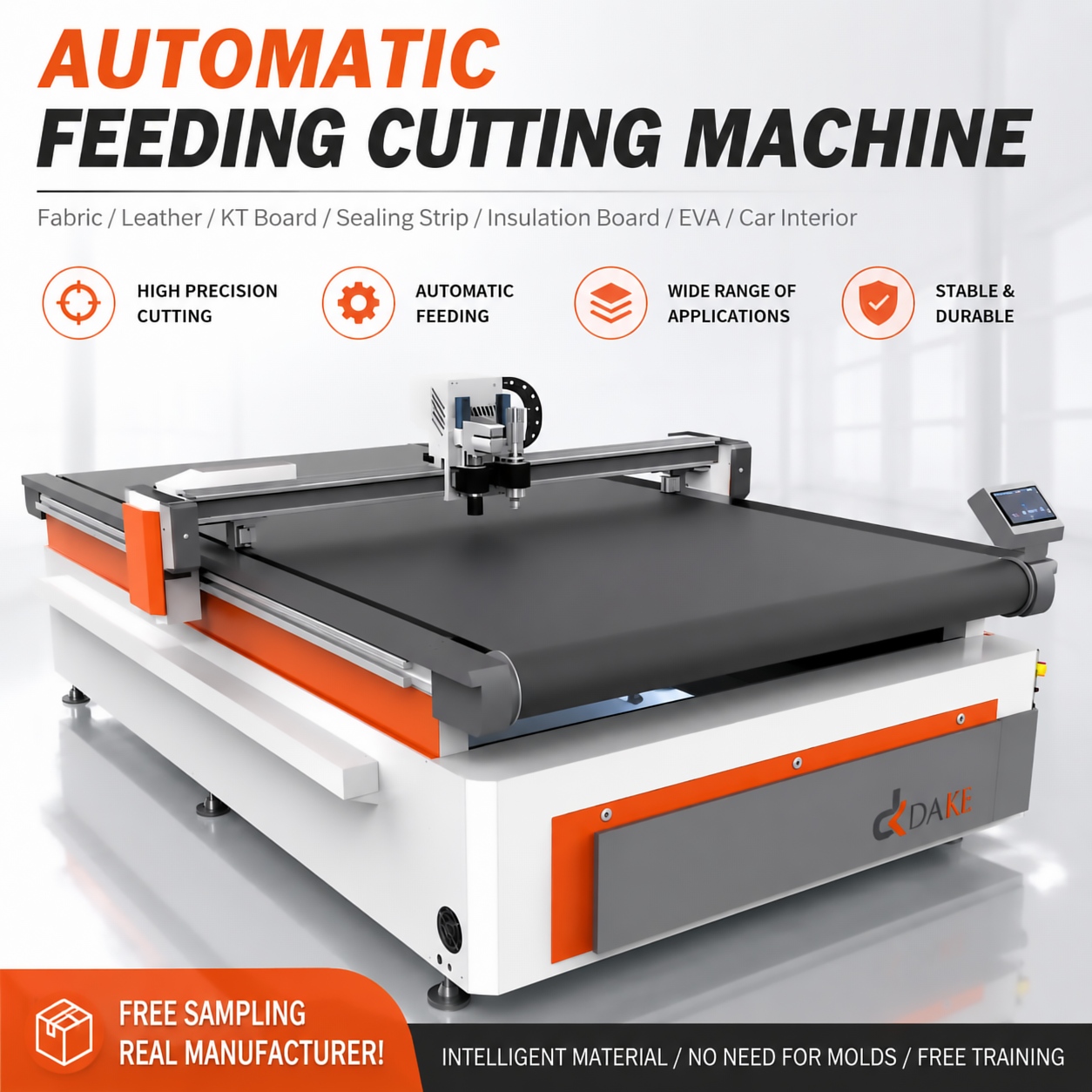
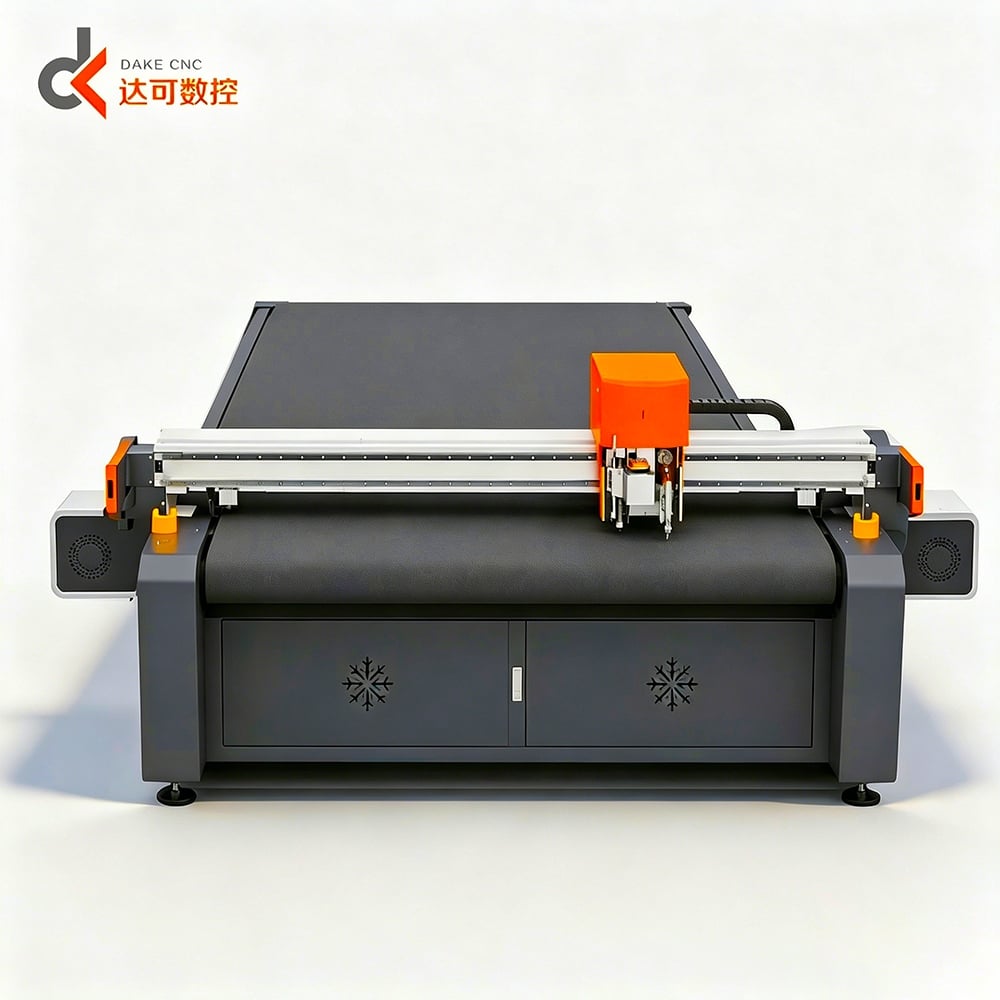
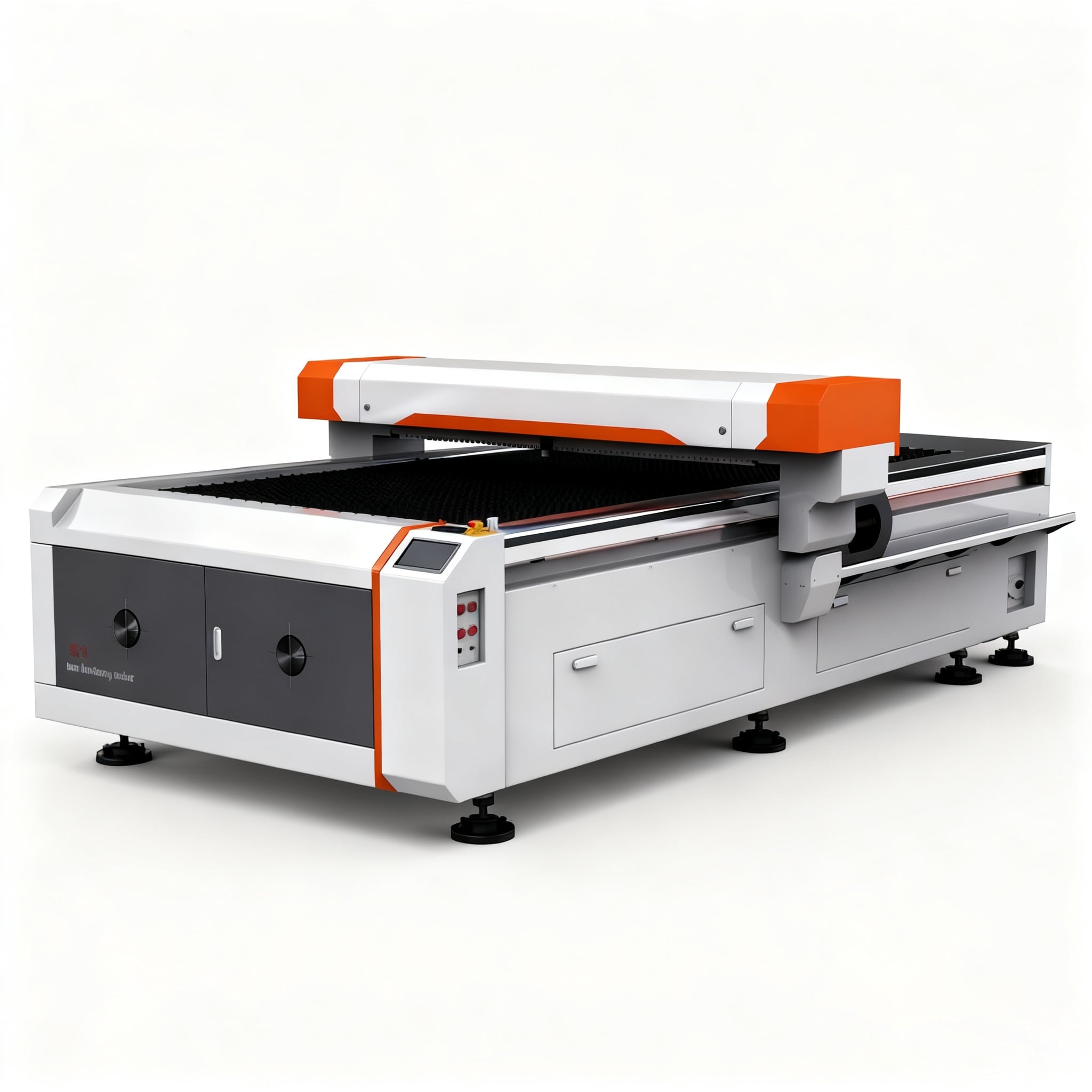
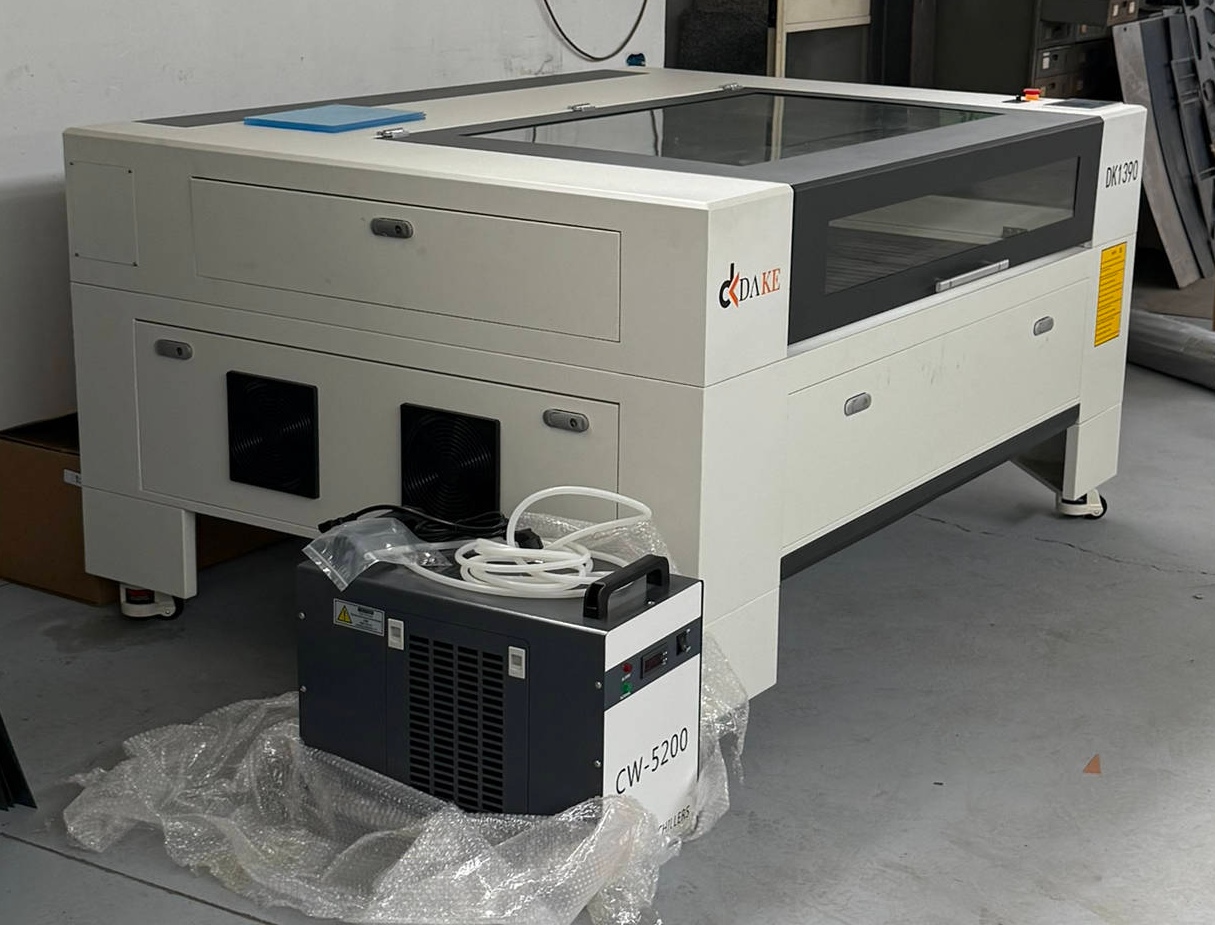
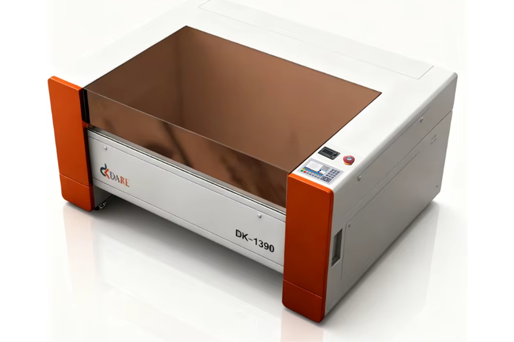
Understanding textile cutting machine price is essential for businesses investing in fabric processing equipment. A textile cutting machine represents a significant capital expenditure that directly impacts production efficiency and operational costs. The textile cutting machine price varies based on specifications, automation level, and cutting capacity, making it crucial to evaluate options carefully. Modern textile cutting machines deliver precision cutting across multiple fabric layers simultaneously, reducing material waste and production time. These machines feature advanced digital control systems that allow operators to program complex cutting patterns with exceptional accuracy. The textile cutting machine price reflects the technology incorporated, including laser-guided systems, computerized design integration, and automated blade positioning. Key technological features include variable speed controls, adjustable pressure settings, and compatibility with various fabric types ranging from delicate materials to heavy-duty textiles. The cutting width capacity typically ranges from 60 inches to over 150 inches, accommodating different production requirements. Temperature regulation systems protect fabrics during the cutting process, ensuring quality output. Applications span numerous industries including apparel manufacturing, home textiles, automotive interiors, and industrial fabric production. Understanding textile cutting machine price helps businesses determine return on investment timelines and production capacity improvements. Companies can compare different models and manufacturers to find solutions matching their budget and operational needs.

New Product Releases

Investing in a textile cutting machine price-point that matches your budget delivers substantial operational and financial benefits. These machines dramatically increase cutting speed compared to manual methods, enabling your team to process significantly more fabric daily while maintaining consistency and precision. The primary advantage of understanding textile cutting machine price involves making informed purchasing decisions that maximize value. Automated cutting reduces labor costs by decreasing the time operators spend on repetitive tasks, allowing your workforce to focus on quality control and specialized functions. This efficiency translates directly to improved profit margins across your production line. Textile cutting machine price investments minimize material waste through precise cutting patterns and reduced errors. Every year, fabric waste represents substantial losses for manufacturers. Advanced cutting systems optimize layout designs, ensuring maximum yield from each fabric roll. This waste reduction alone often justifies the equipment investment within months. Operational benefits include reduced physical strain on workers and improved workplace safety. Automated systems eliminate hand-operated cutting tools, reducing injury risks and worker compensation claims. Your team benefits from ergonomic improvements and safer working conditions. The textile cutting machine price varies by features, but even entry-level models provide significant advantages over traditional cutting methods. Enhanced cutting speed allows meeting tight production deadlines without overtime expenses or rush fees. Consistent quality reduces returns and customer complaints, strengthening your reputation. Decision-useful context shows that textile cutting machine price comparisons should include maintenance costs, training requirements, and technical support. Businesses achieving production increases of 300-500% justify the investment quickly. Long-term reliability and manufacturer support become critical factors beyond initial cost considerations.

Practical Tips

How to troubleshoot a laser tube malfunction

28

Jul

How to troubleshoot a laser tube malfunction

View More
How to maintain a laser cutting machine

28

Jul

How to maintain a laser cutting machine

View More
Chiller Precautions

28

Jul

Chiller Precautions

View More

Get a Free Quote

Our representative will contact you soon.
Email
Name
Company Name
Message
0/1000

textile cutting machine price

Precision Cutting with Advanced Technology

Precision Cutting with Advanced Technology

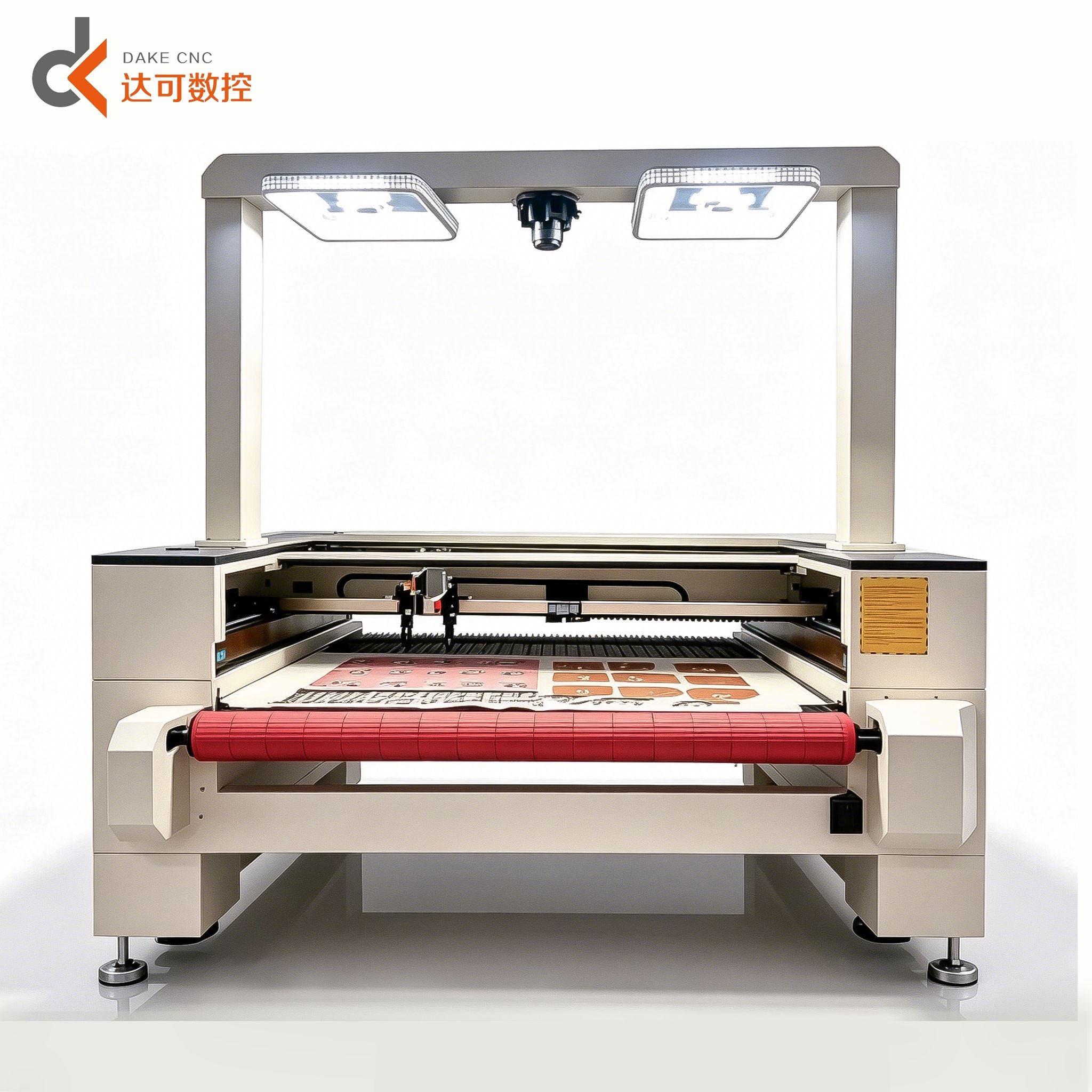
The textile cutting machine price reflects sophisticated technology delivering millimeter-accurate cuts across hundreds of layers. Modern systems integrate CAD software compatibility, enabling designers to transfer patterns directly from computer files to cutting machines without manual setup. This automated precision eliminates human error that costs manufacturers thousands in wasted materials monthly. Advanced textile cutting machine price models feature laser-guided cutting heads that maintain perfect alignment regardless of fabric texture or thickness variations. Real-time sensors adjust cutting pressure automatically, protecting delicate materials while maintaining clean edges on heavyweight fabrics. The technology ensures consistent quality across every garment, reducing quality control rejections significantly. Operators program complex cutting patterns once, then execute thousands of identical cuts without variation. This repeatability proves invaluable for large production runs where consistency directly impacts customer satisfaction. The textile cutting machine price justifies itself through eliminating costly rework and minimizing defect rates that damage brand reputation.
Cost-Effective Production Scale-Up

Cost-Effective Production Scale-Up

Understanding textile cutting machine price helps businesses scale production without proportional cost increases. Unlike hiring additional manual cutters, automated systems maintain consistent operating expenses while dramatically increasing output capacity. A single machine often replaces three to five manual cutters, providing immediate payroll savings that offset equipment investment. The textile cutting machine price comparison should include total cost of ownership calculations spanning five to ten years. Maintenance expenses remain relatively low, typically representing 5-8% of original purchase cost annually. Energy consumption costs prove minimal compared to labor savings, making these systems economically superior to manual alternatives. Businesses expanding production find textile cutting machine price investments enable growth without facility expansion. Faster cutting cycles mean existing floor space handles increased output. Companies achieve revenue growth of 250-400% using the same warehouse footprint, dramatically improving profitability per square foot of operational space.
Versatile Fabric Handling Capabilities

Versatile Fabric Handling Capabilities

The textile cutting machine price encompasses versatility across diverse fabric types and weights. These systems handle everything from delicate silk and lace to heavy denim, canvas, and leather materials without requiring equipment changes. Adjustable pressure settings and specialized blade options accommodate 500+ different fabric compositions efficiently. Textile cutting machine price investments provide production flexibility that manual methods cannot match. Operators switch between projects in minutes, reprogramming patterns and adjusting settings through intuitive digital interfaces. This adaptability proves essential for manufacturers serving multiple clients with varying specifications and seasonal demands. Industries from fashion to automotive benefit from this versatility. Home textile producers cut bedding and curtains alongside apparel manufacturers producing garments. The textile cutting machine price proves justified when considering how single equipment serves multiple production needs. Advanced systems even handle composite materials and specialized technical textiles used in medical and industrial applications, expanding revenue opportunities for diversified manufacturers.

Get a Free Quote

Our representative will contact you soon.
Email
Name
Company Name
Message
0/1000