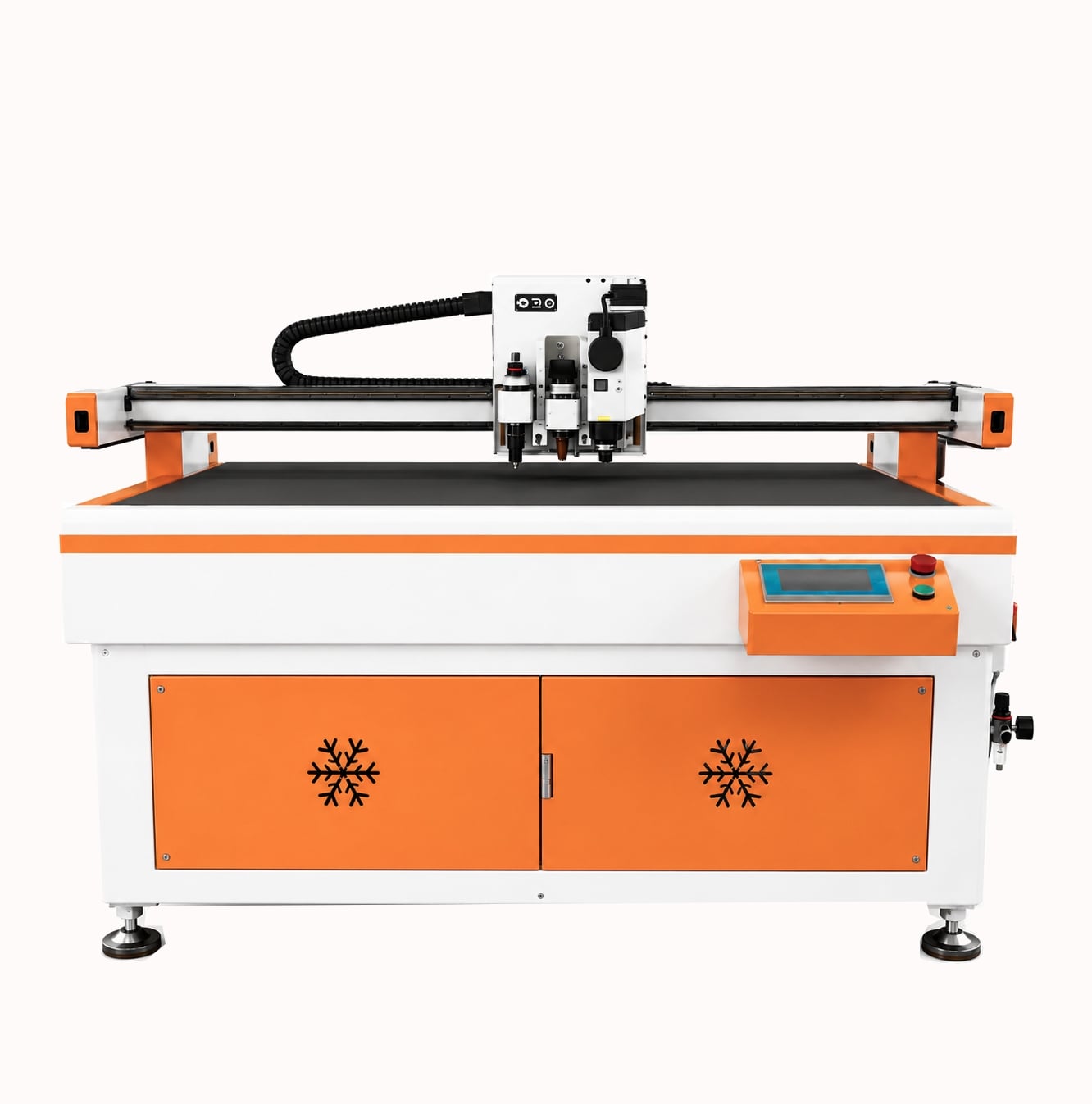
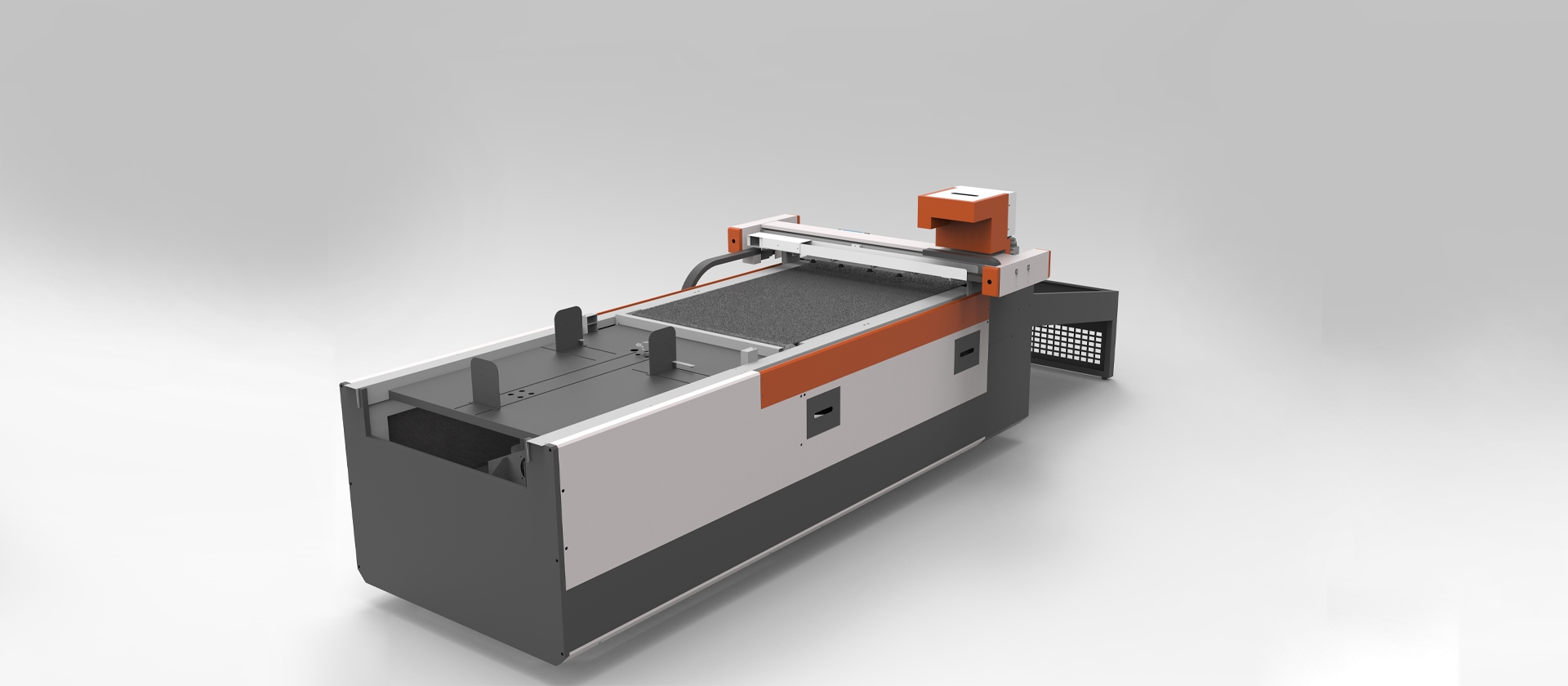
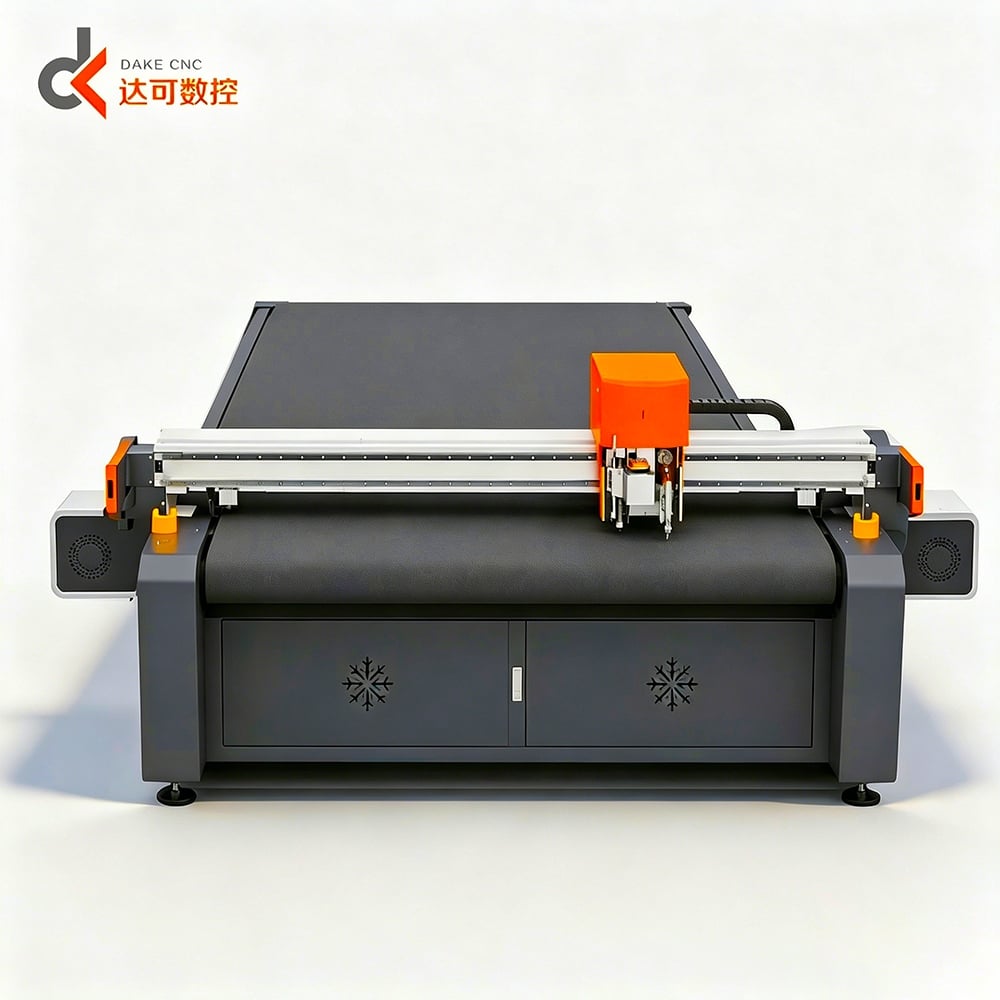
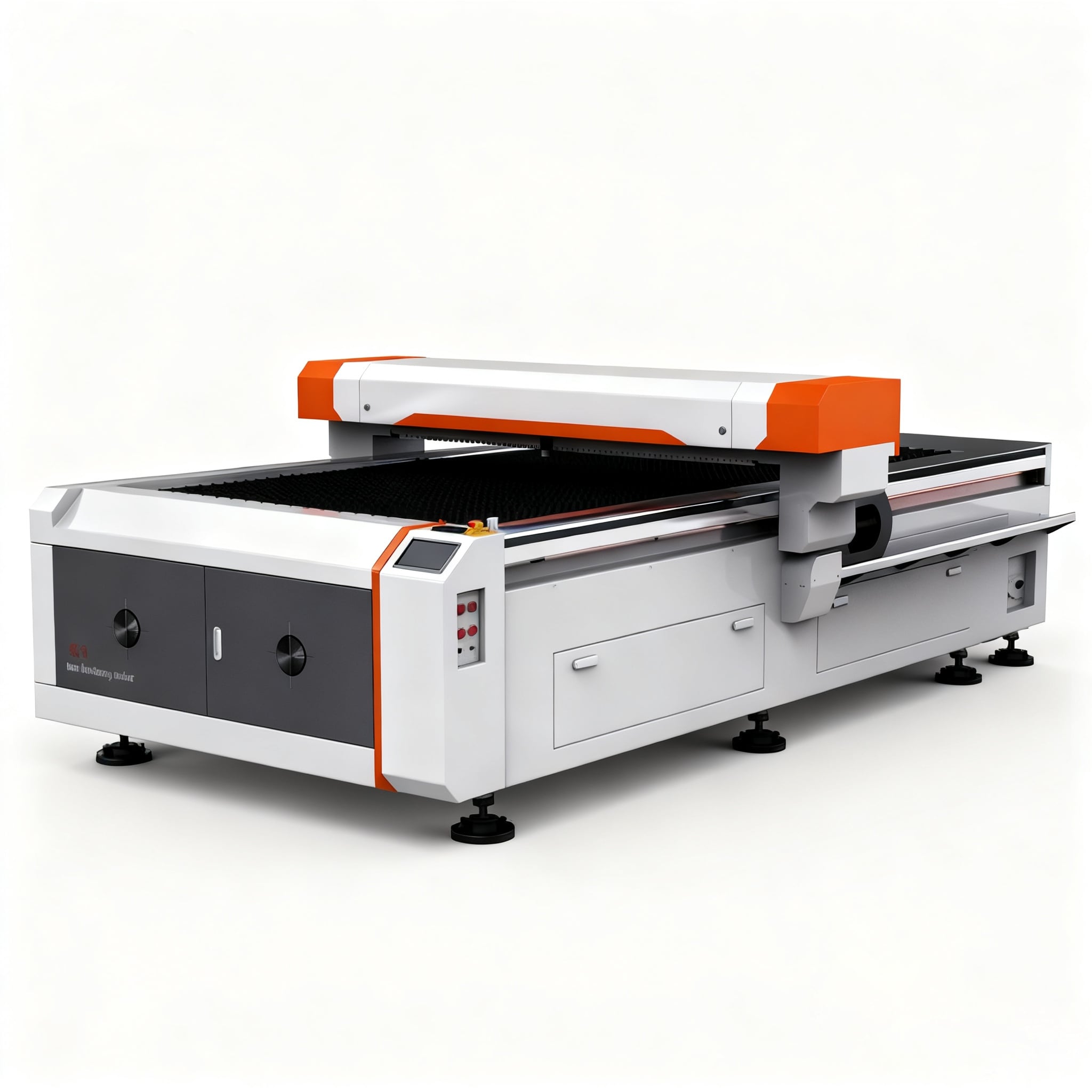
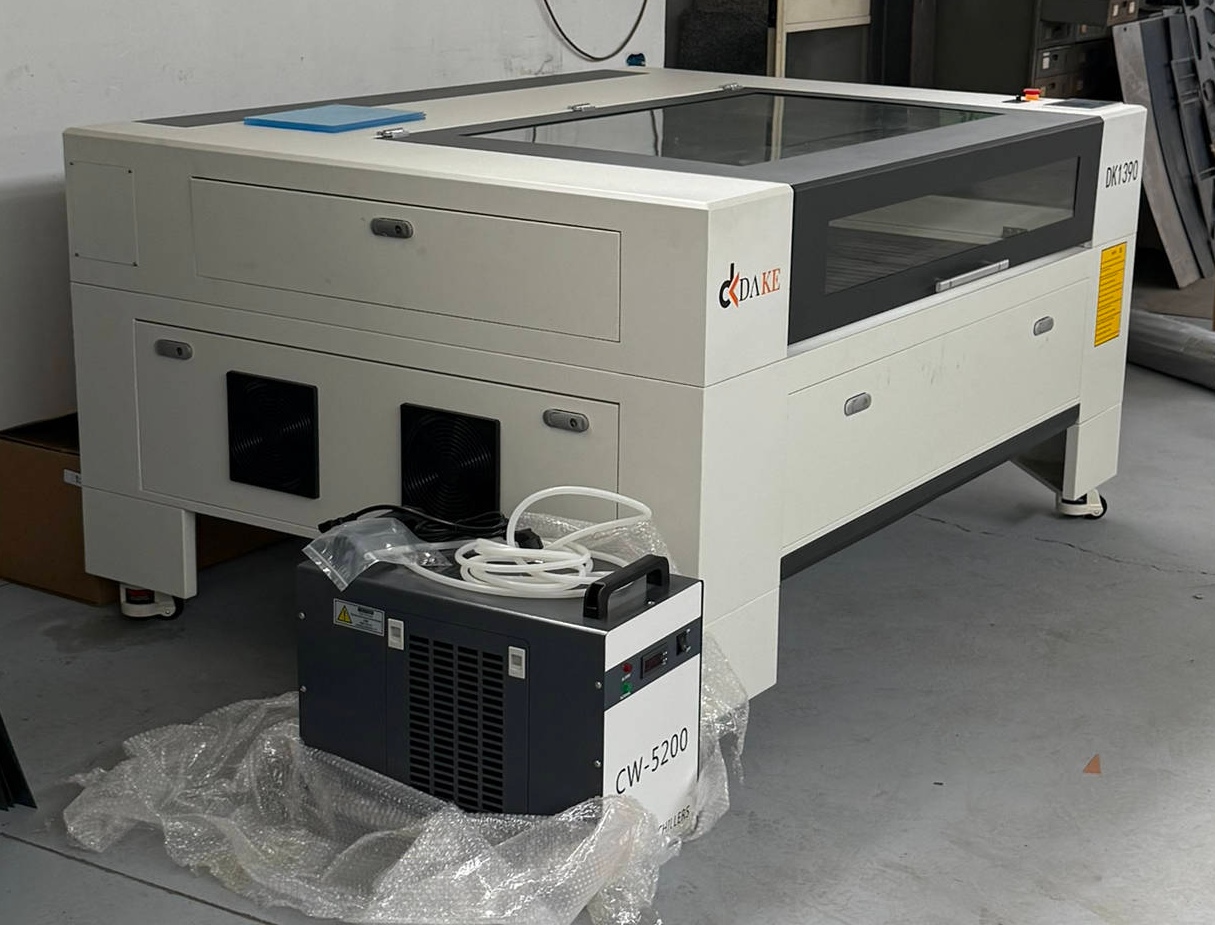
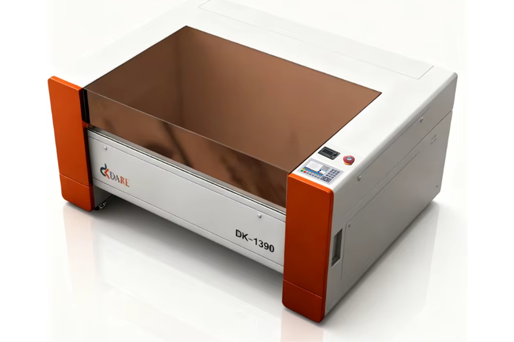
automatic fabric cutting machine
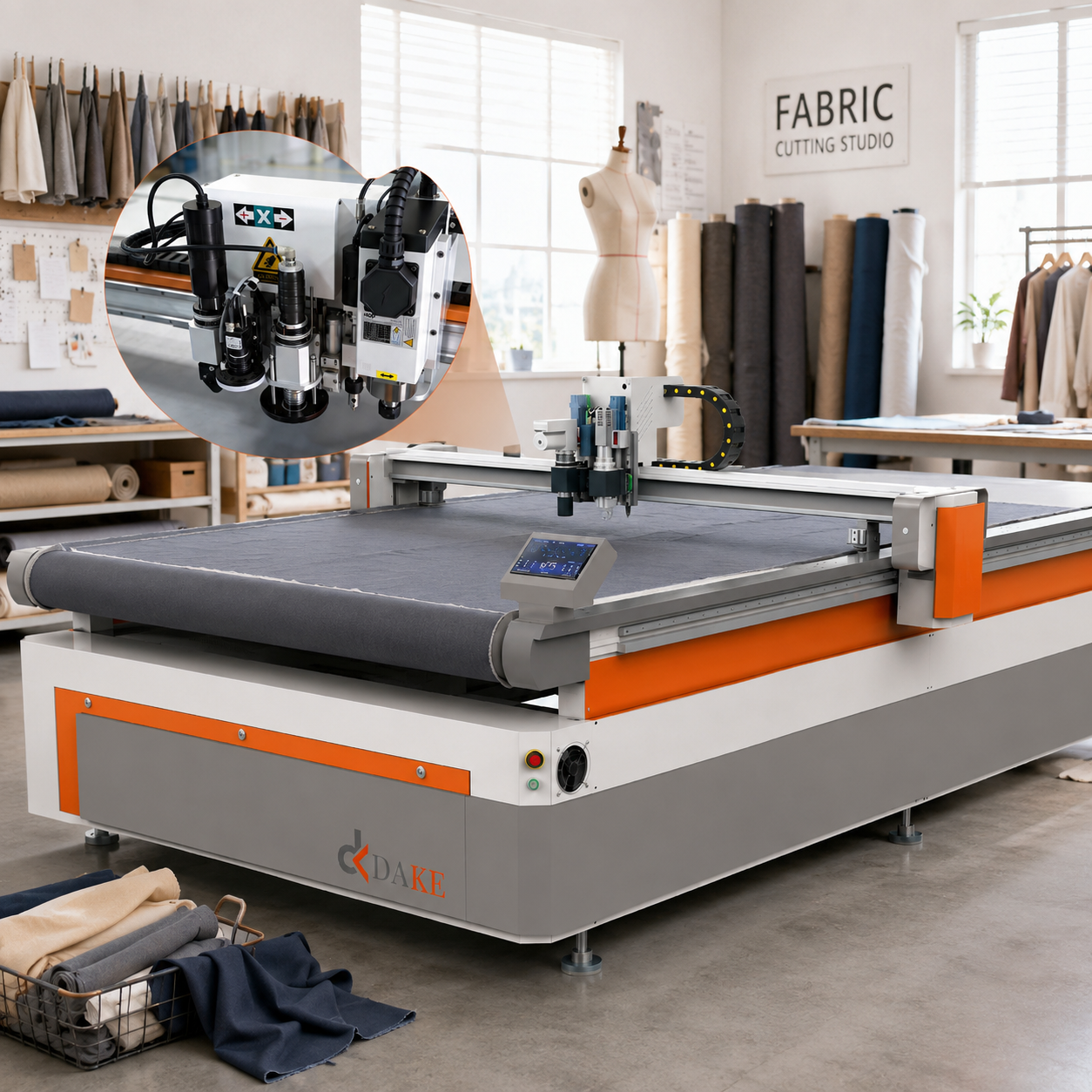
An automatic fabric cutting machine is a sophisticated industrial device designed to streamline textile production by automating the cutting process with precision and efficiency. This innovative equipment represents a significant advancement in fabric processing technology, transforming how manufacturers handle large-scale textile operations.
The automatic fabric cutting machine functions by utilizing advanced cutting technologies such as laser, blade, or water jet systems to cut fabric materials with exceptional accuracy. The machine operates on pre-programmed patterns and designs, allowing operators to input specifications that guide the cutting process automatically. This eliminates manual cutting errors and ensures consistent quality across production batches.
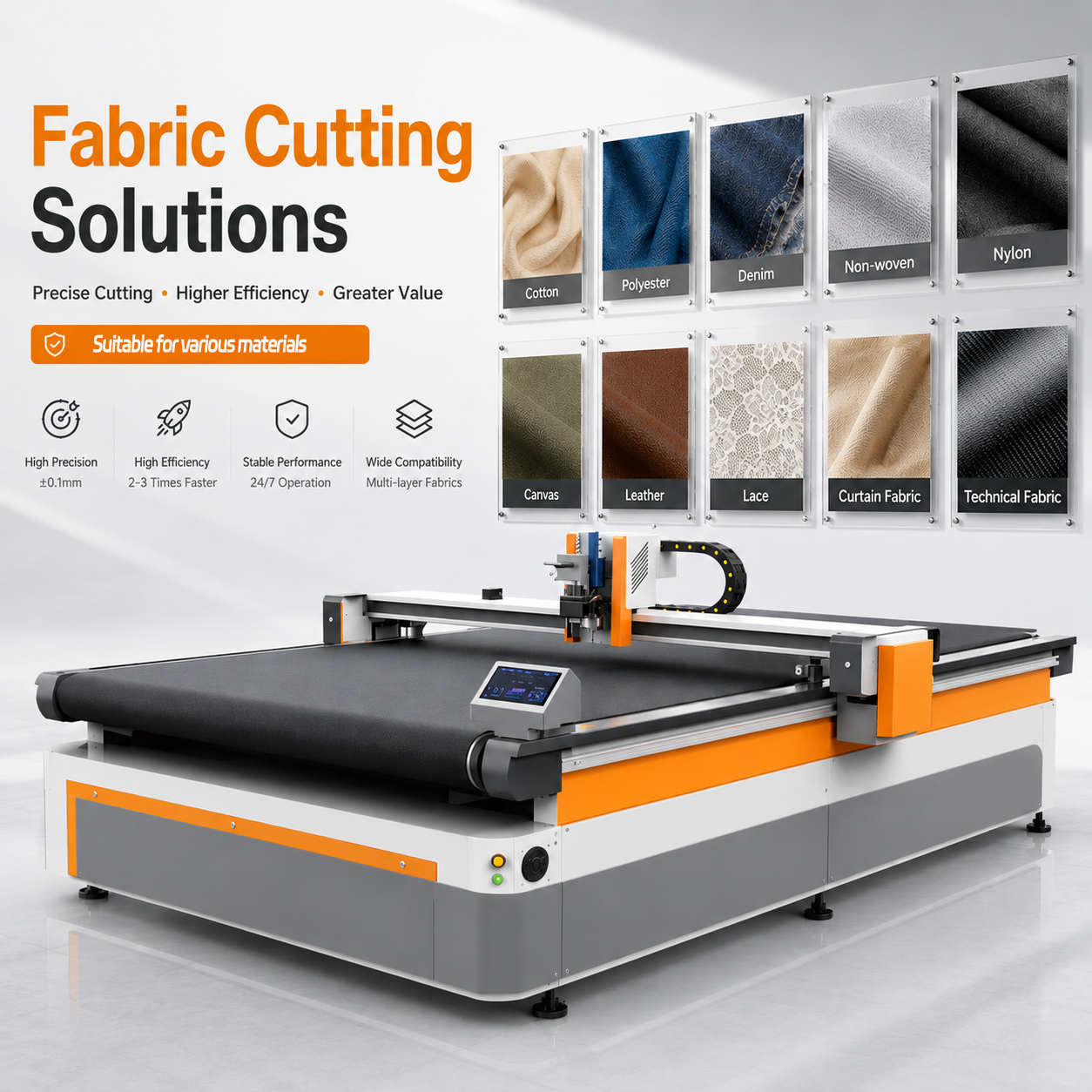
Key technological features of the automatic fabric cutting machine include computer numerical control (CNC) systems, digital pattern recognition, and automated fabric feeding mechanisms. These components work together to enable rapid material processing while maintaining precise dimensional accuracy. The machine can handle various fabric types, including cotton, polyester, silk, and specialty materials, making it versatile for diverse textile applications.
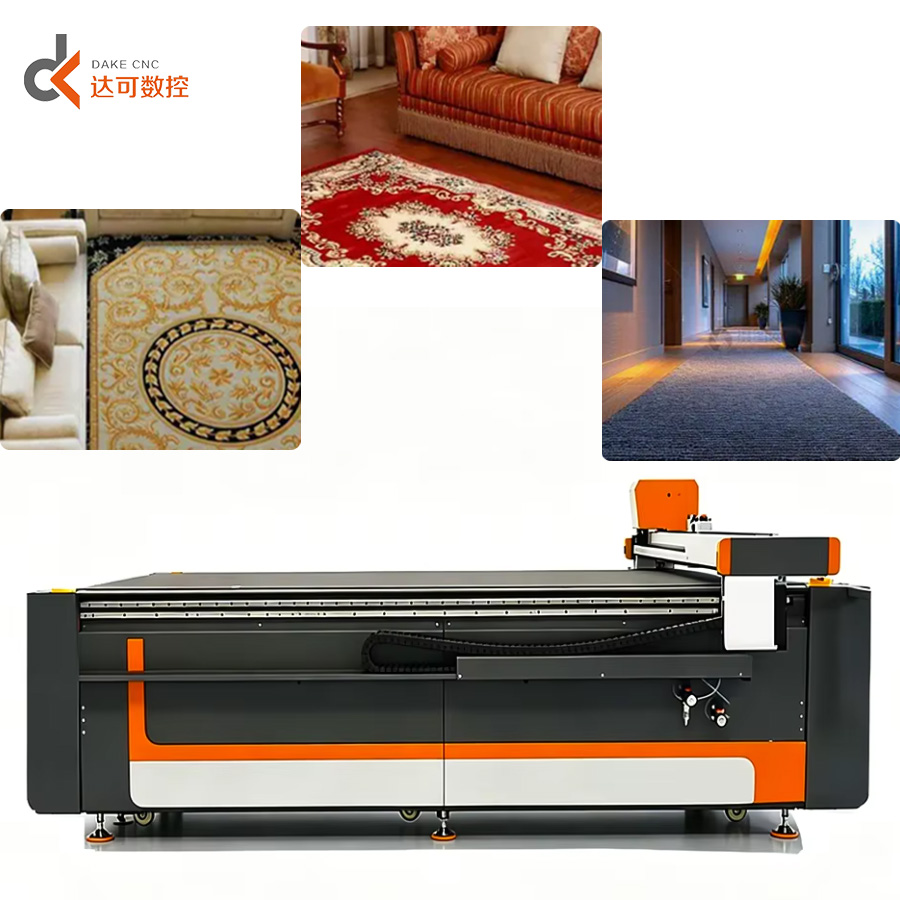
Applications for the automatic fabric cutting machine span multiple industries. Garment manufacturers use this equipment for cutting pattern pieces efficiently, while home textile producers rely on it for cutting bed linens, curtains, and upholstery fabrics. The automotive industry utilizes automatic fabric cutting machines for interior trim and seat cover production. Additionally, the technical textile sector employs this machinery for cutting industrial fabrics and protective materials.
The automatic fabric cutting machine delivers substantial improvements in production speed, material efficiency, and product consistency compared to traditional manual cutting methods. Modern implementations integrate with enterprise resource planning systems, enabling seamless workflow management and production scheduling.
 ×
×


 EN
EN