digital cutting table
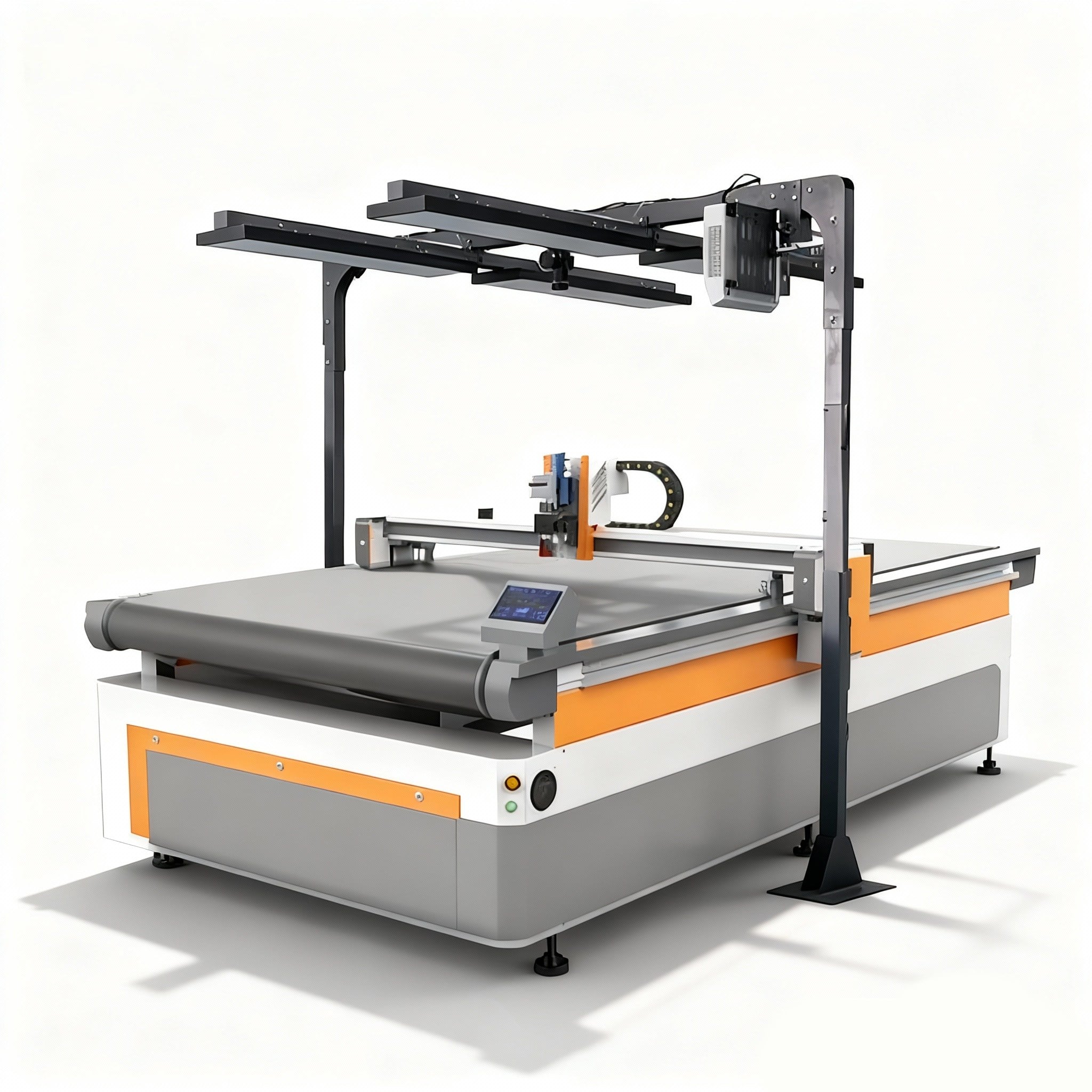
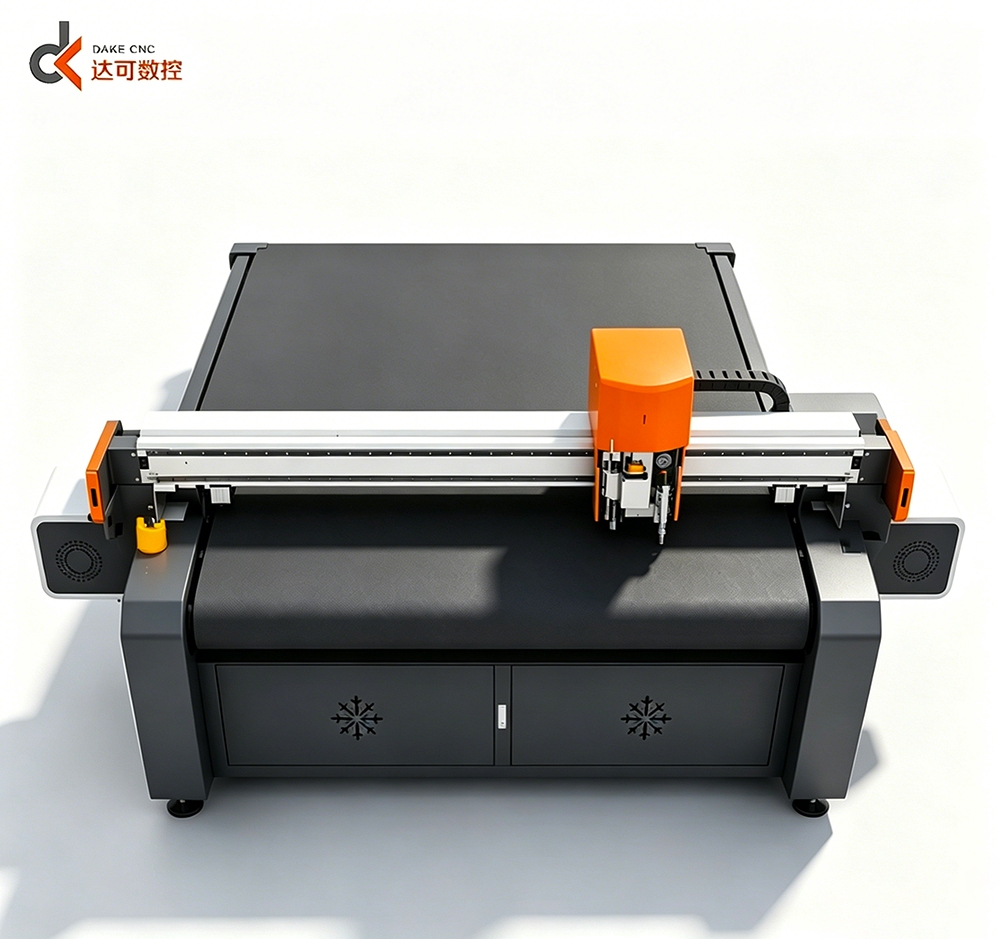
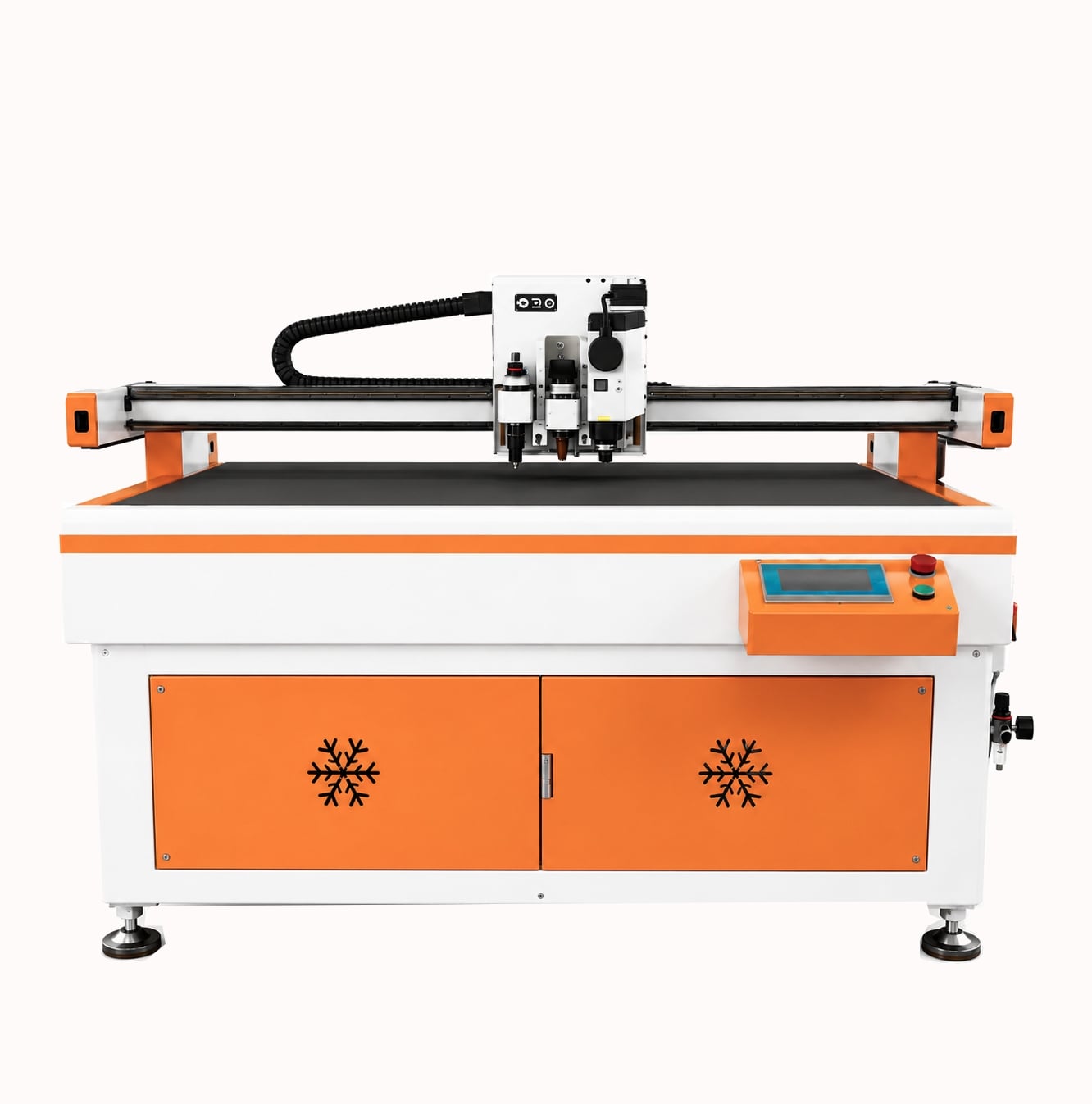
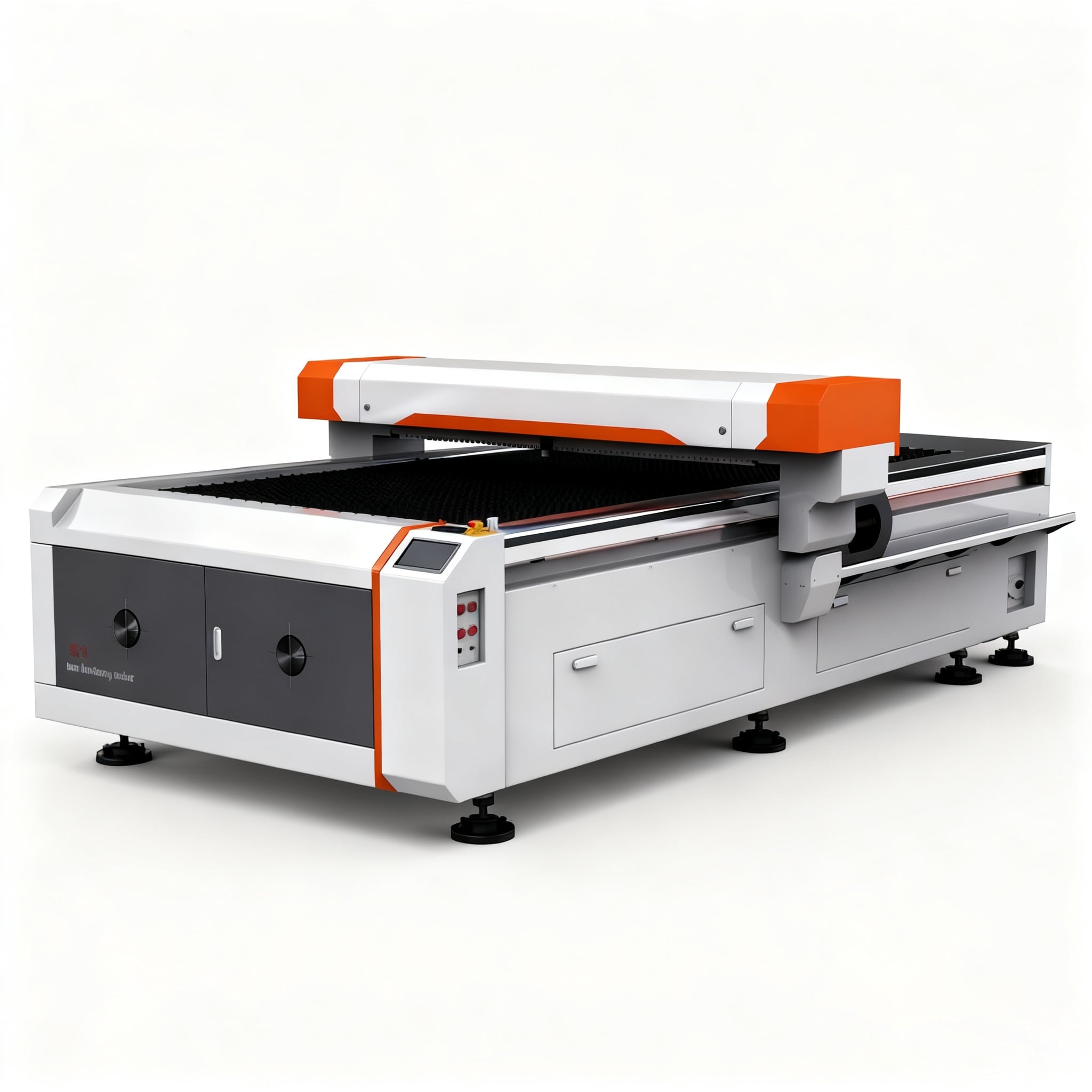
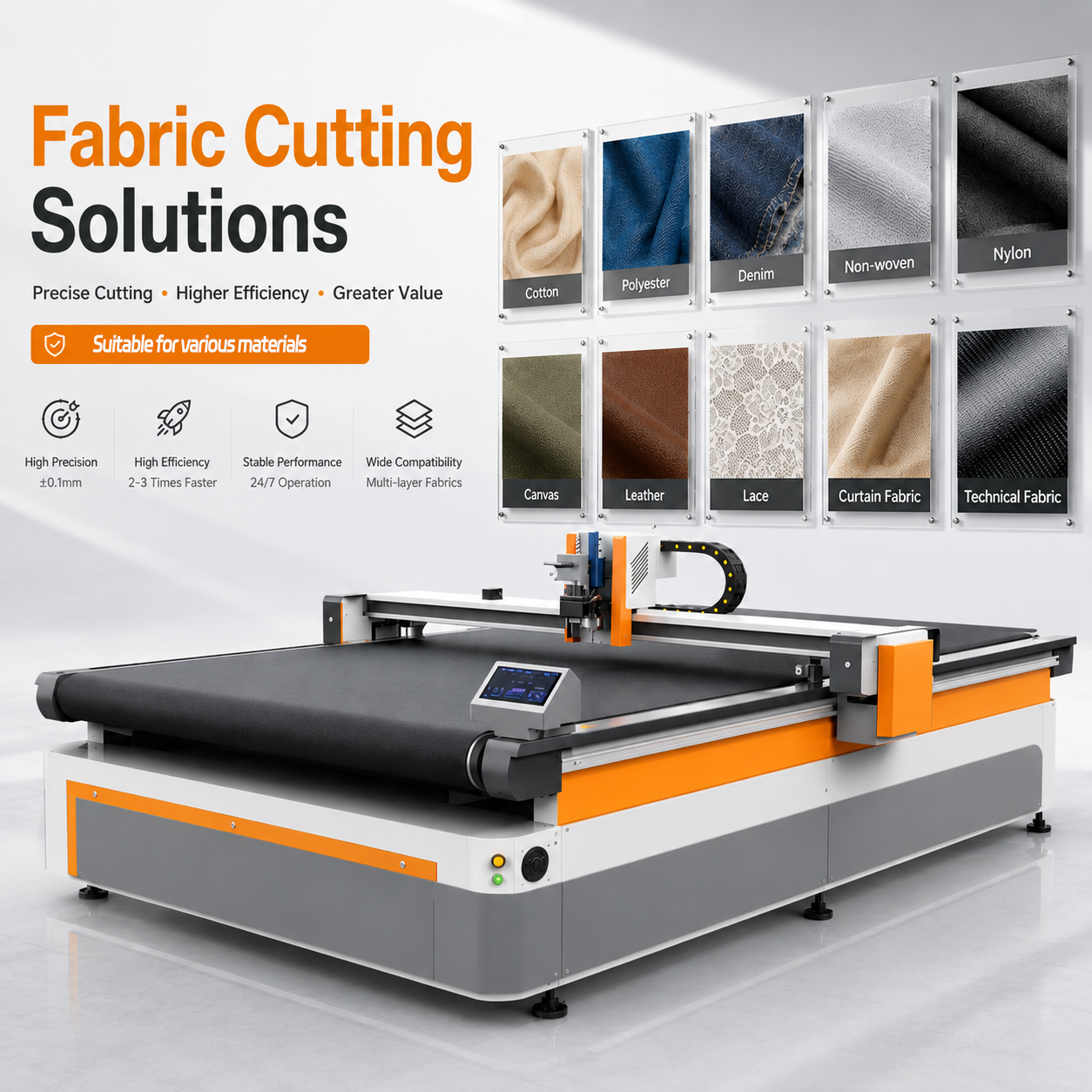
A digital cutting table represents a revolutionary advancement in fabric and material processing technology. This precision instrument combines computer-controlled systems with advanced cutting mechanisms to deliver accurate, efficient results for textile, leather, and composite material industries. The digital cutting table operates by reading design files and automatically executing cuts with remarkable precision, eliminating manual errors and reducing material waste significantly.
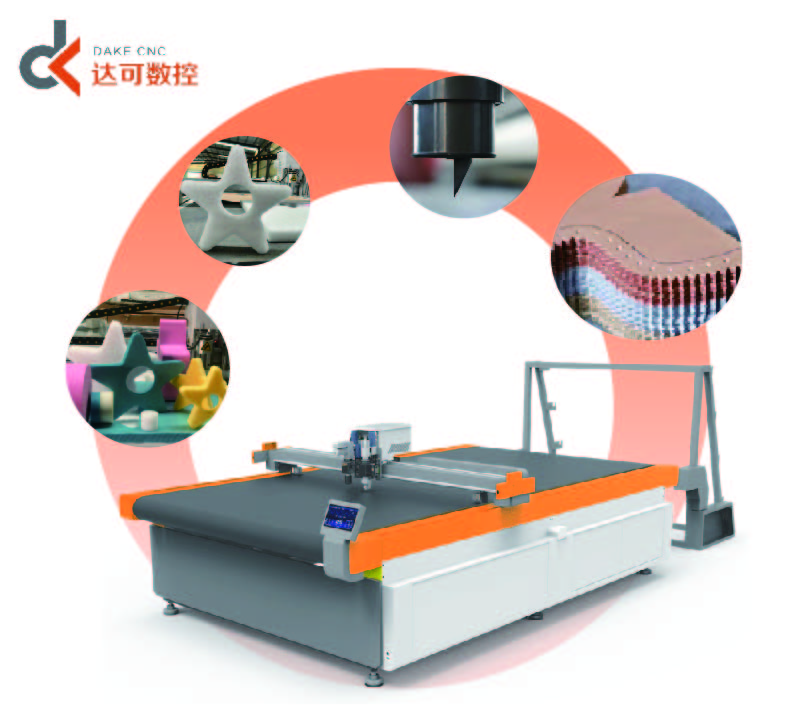
The core functionality of a digital cutting table involves converting digital designs into precise physical cuts through automated blade movement. Modern digital cutting table systems integrate CAD software compatibility, allowing users to upload patterns directly and execute production runs without manual layout work. The technology features variable speed controls, adjustable blade pressure, and multi-axis cutting heads that accommodate various material thicknesses and types.
Technologically, a digital cutting table employs servo motors for precise positioning, optical sensors for material detection, and intelligent software that optimizes cutting paths. These systems support both single-layer and multi-layer cutting capabilities, making them versatile across production scales. The digital cutting table technology enables nested cutting patterns that maximize material yield while minimizing waste.
Applications span multiple industries including fashion manufacturing, automotive upholstery, signage production, and technical textile creation. A digital cutting table serves prototyping needs, sample production, and full-scale manufacturing operations. Industries benefit from rapid design iterations, consistent quality control, and accelerated production timelines. The digital cutting table has become essential for businesses seeking competitive advantages through technological innovation and operational efficiency.
 ×
×


 EN
EN