Laser Cutting Carbon Fiber Fabric

Get a Free Quote

Our representative will contact you soon.
Email
Name
Company Name
Message
0/1000

laser cutting carbon fiber fabric

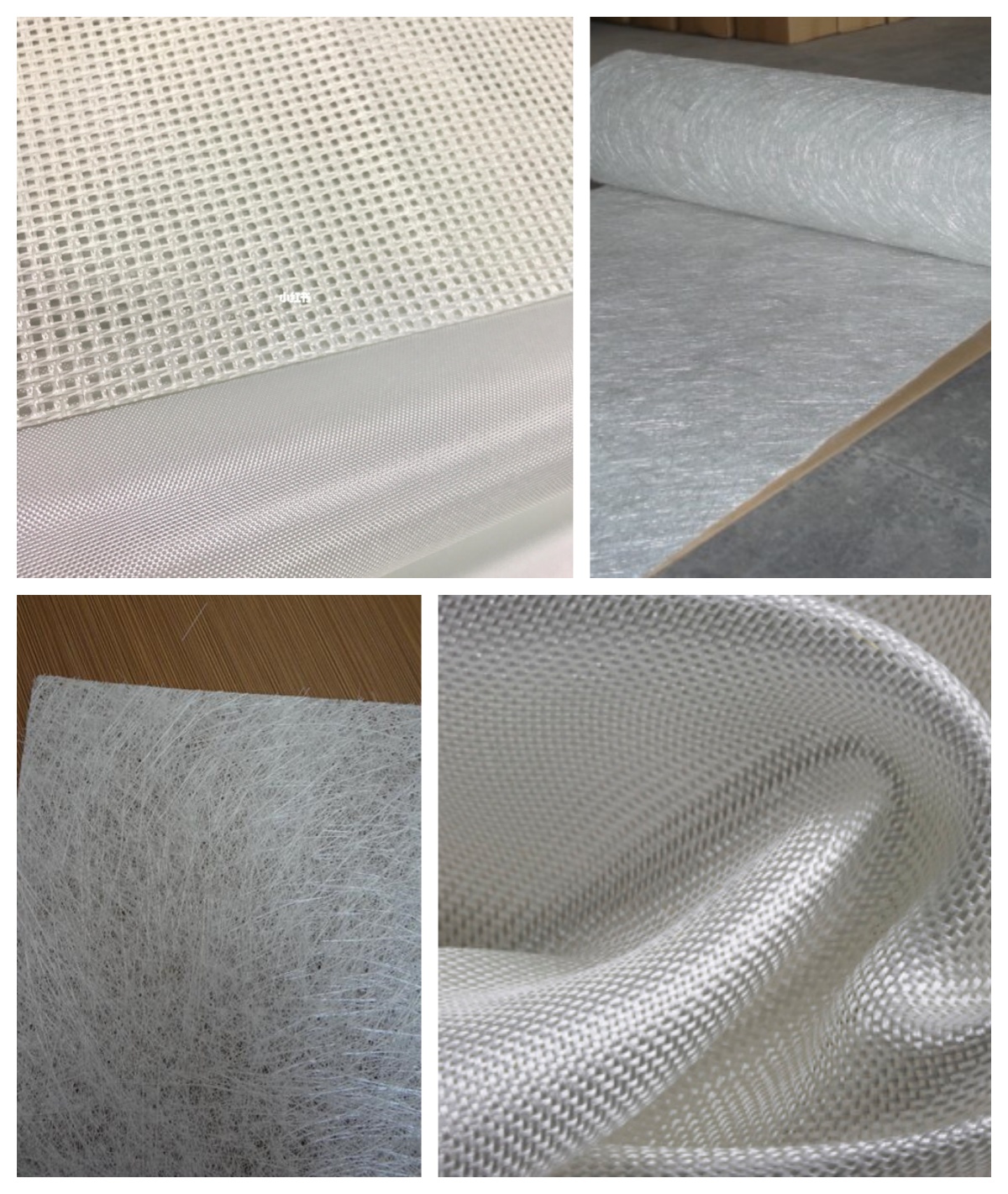
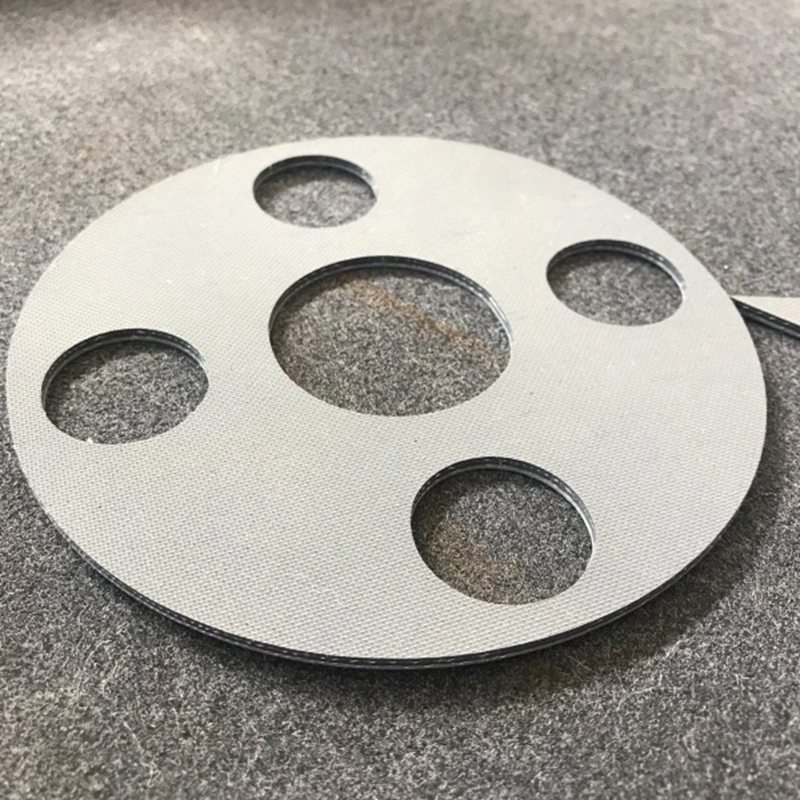
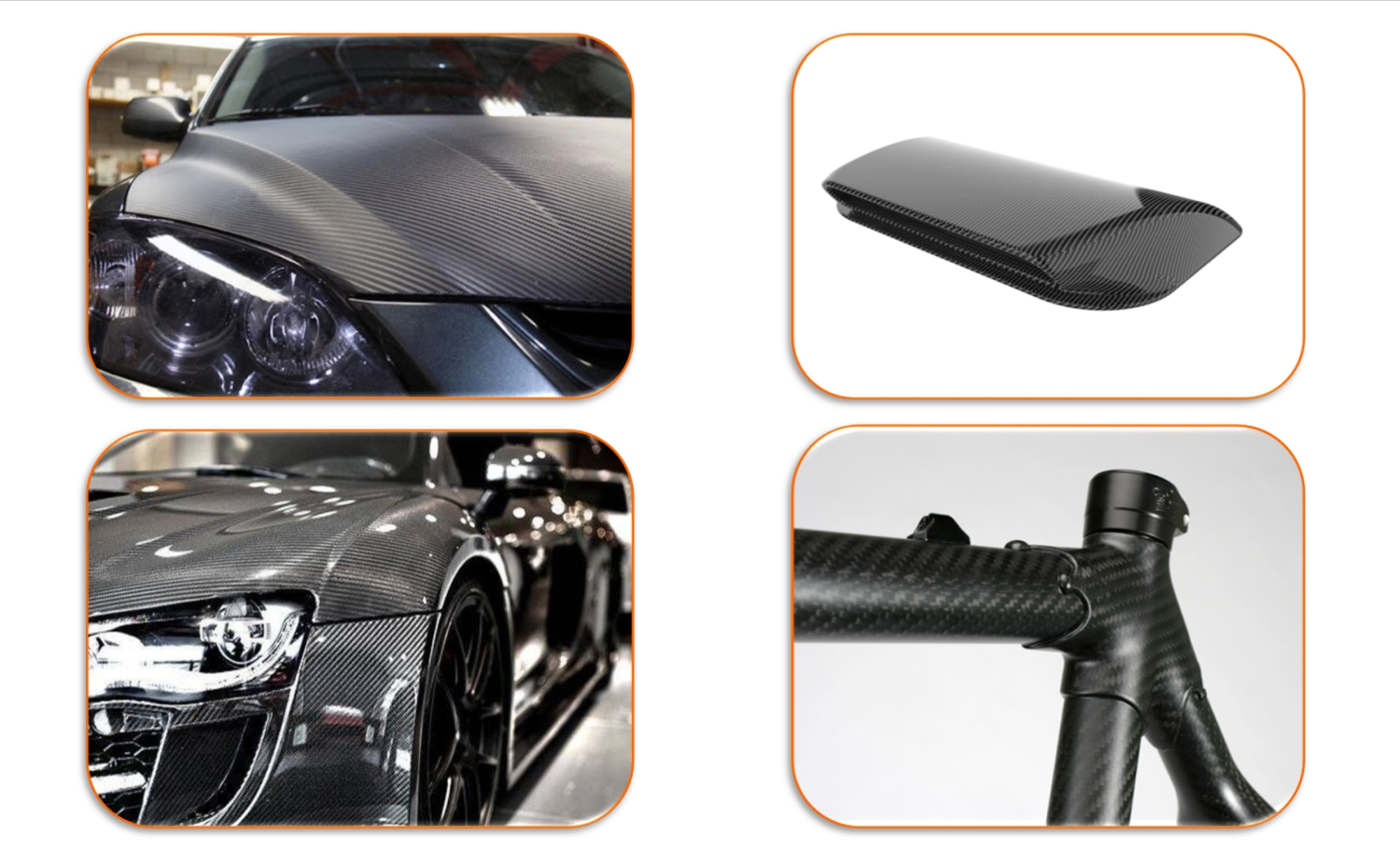
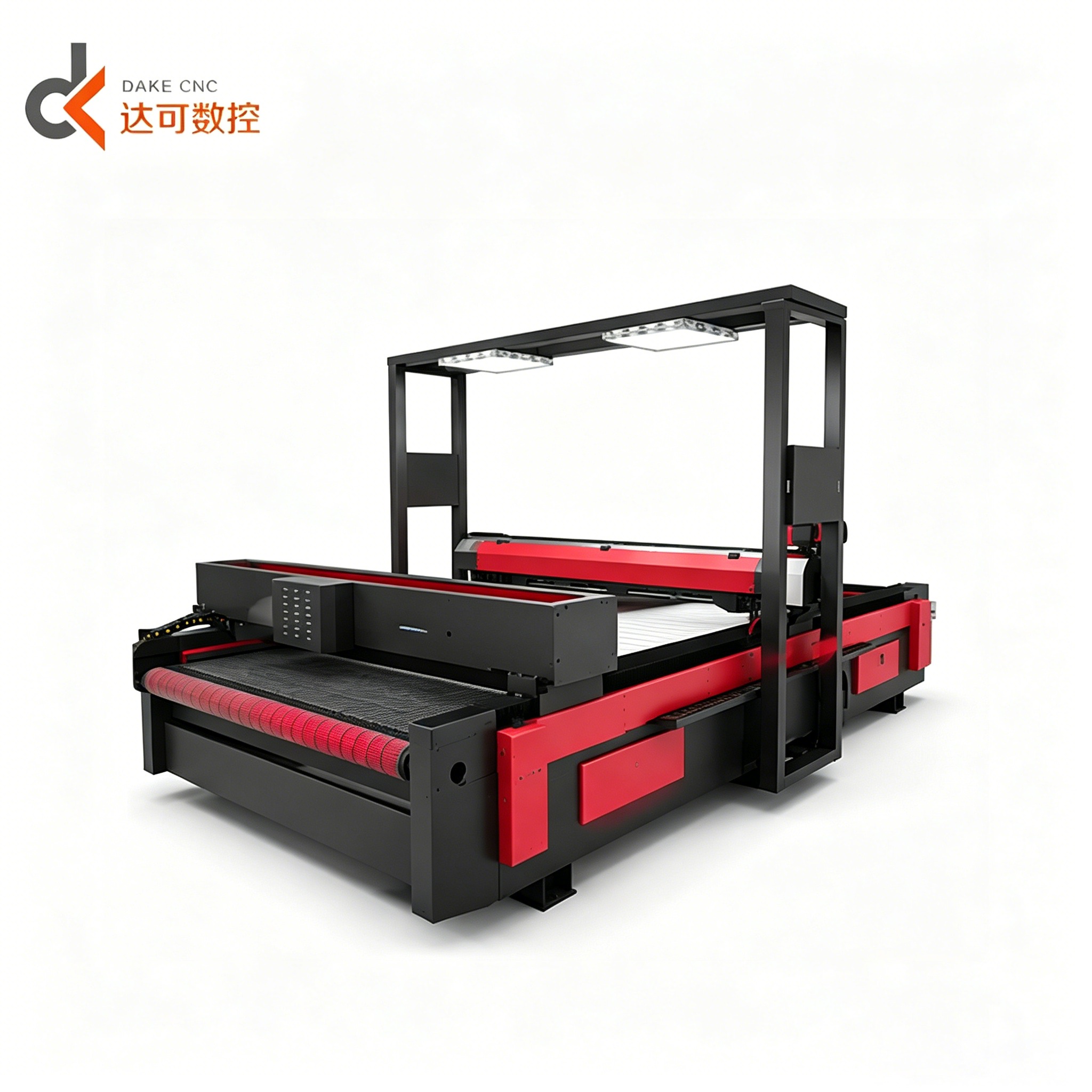
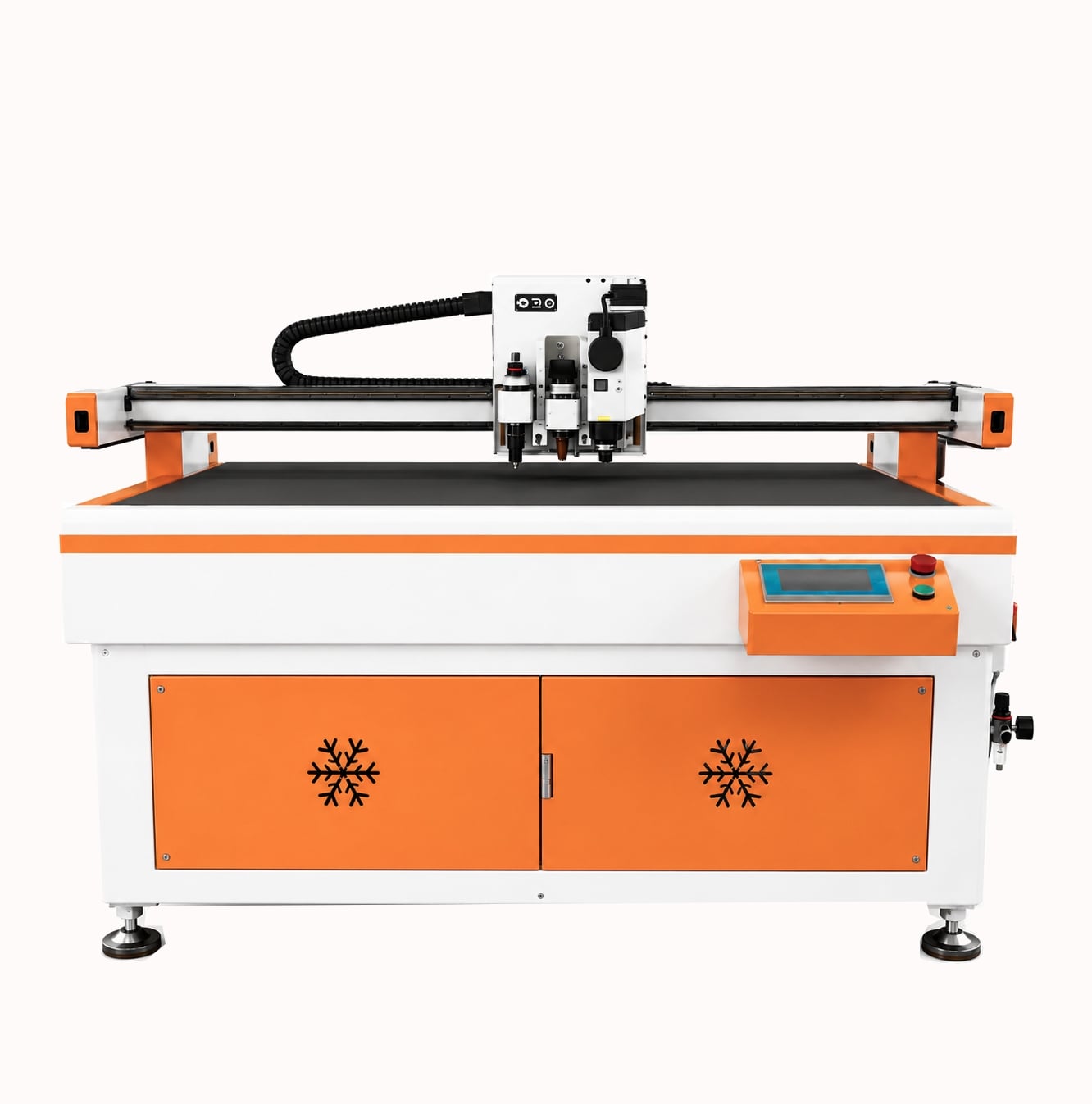
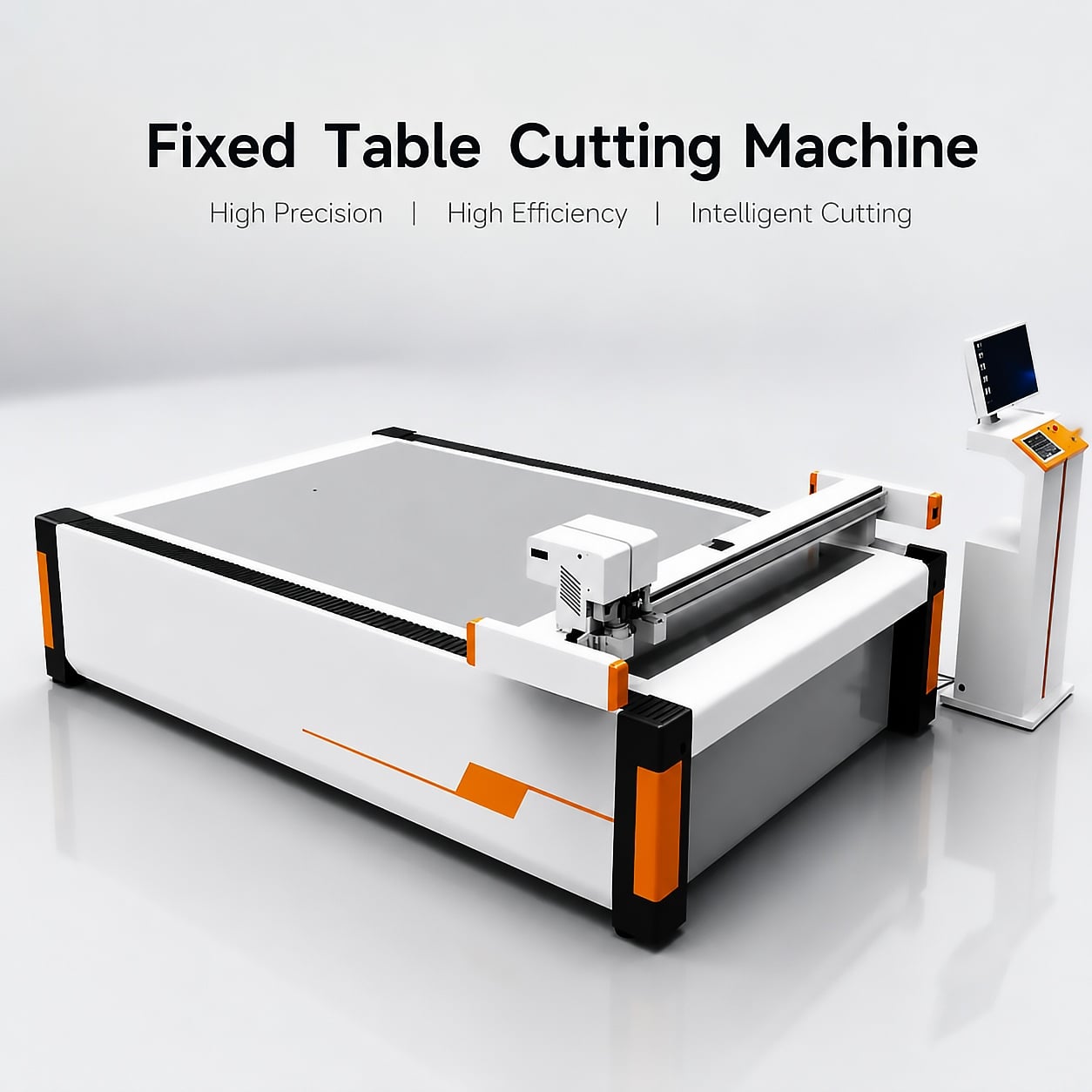
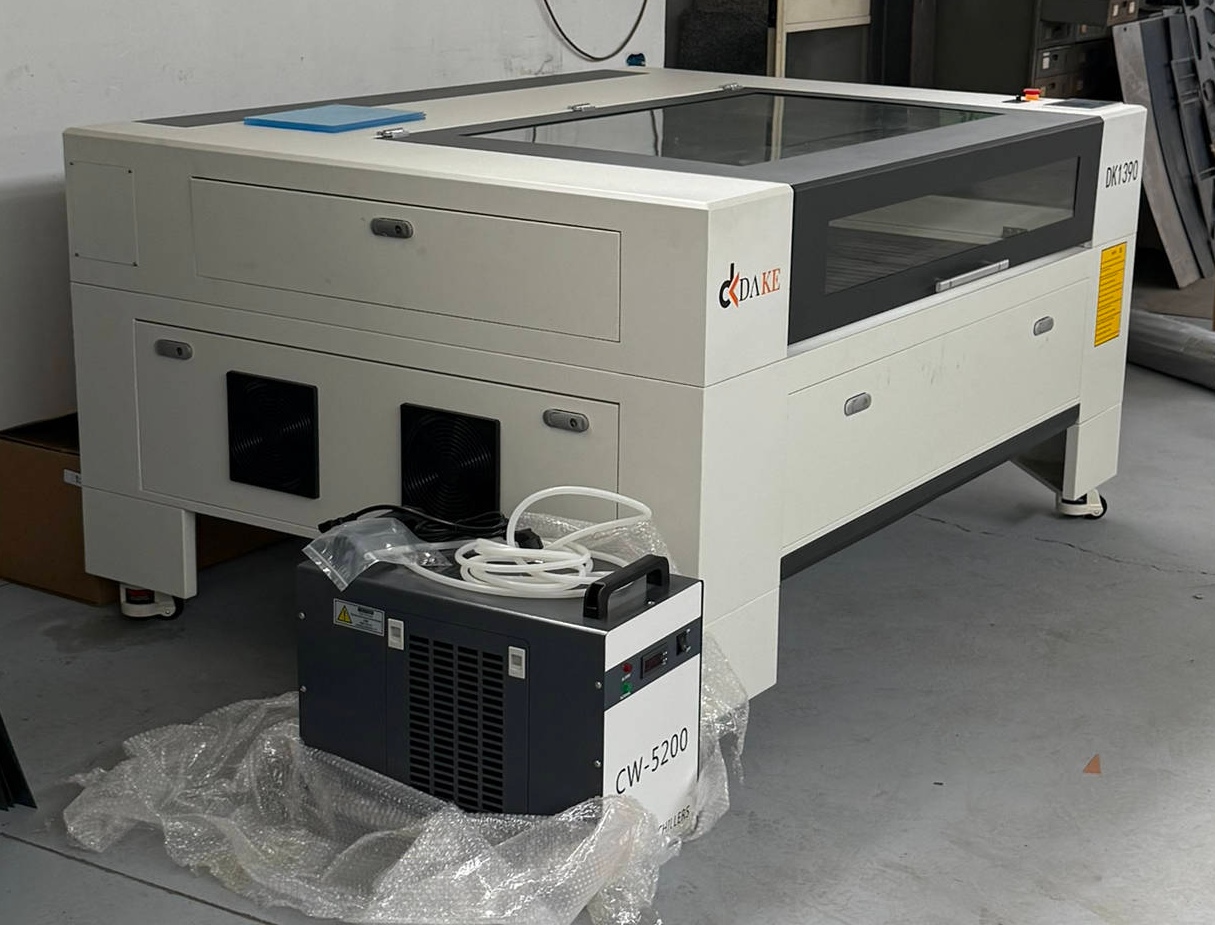
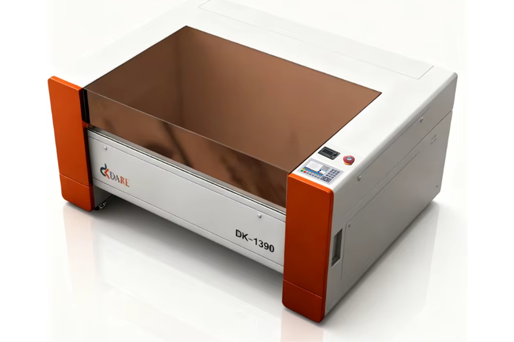
Laser cutting carbon fiber fabric represents a revolutionary advancement in precision material processing technology. This sophisticated method utilizes high-powered laser beams to cut carbon fiber fabrics with exceptional accuracy and minimal material waste. Laser cutting carbon fiber fabric involves directing concentrated light energy onto the material surface, creating clean, precise edges without the fraying or damage associated with traditional cutting methods. The primary function of laser cutting carbon fiber fabric is to create intricate patterns and shapes in carbon fiber materials for specialized applications. This technology operates through computerized control systems that guide the laser with micrometer precision, allowing manufacturers to produce complex designs consistently. Laser cutting carbon fiber fabric excels at handling both single layers and multiple-ply configurations without compromising material integrity. Key technological features include rapid processing speeds, adjustable power settings, and automated nesting capabilities that optimize fabric utilization. The laser cutting carbon fiber fabric process generates minimal thermal distortion compared to mechanical cutting methods, preserving the structural properties of the material. Advanced vision systems ensure accurate alignment and positioning before cutting begins. Applications span aerospace components, automotive parts, sporting equipment, and industrial machinery. Laser cutting carbon fiber fabric serves industries requiring precise dimensional tolerances and intricate geometries. Manufacturers benefit from reduced production times and enhanced design flexibility when implementing laser cutting technology for their carbon fiber fabric requirements.

New Products

Laser cutting carbon fiber fabric delivers transformative benefits that modernize production workflows and enhance product quality. The precision advantage stands paramount: this technology produces perfectly clean edges without fraying, eliminating costly secondary finishing operations. When you use laser cutting carbon fiber fabric, you eliminate the need for manual deburring or edge sealing, saving significant labor time and costs. Operational efficiency represents another compelling advantage. Laser cutting carbon fiber fabric processes materials faster than traditional methods, reducing production cycles substantially. The automated programming capability means operators can repeat identical cuts with perfect consistency, minimizing human error and material waste. Multiple design variations execute rapidly without tool changes or setup modifications. Design flexibility transforms what manufacturers can achieve with carbon fiber materials. Laser cutting carbon fiber fabric enables intricate patterns, tight curves, and precise cutouts impossible with conventional techniques. This capability opens new market opportunities and allows designers to innovate without manufacturing constraints. Material preservation ensures maximum value from expensive carbon fiber inputs. The non-contact laser method eliminates mechanical stress that traditional cutting creates, preserving structural integrity and material strength. Laser cutting carbon fiber fabric minimizes kerf width, reducing scrap material and improving overall yield rates significantly. For specialized applications, the thermal characteristics matter greatly. The laser process generates controlled, minimal heat that prevents matrix degradation or delamination risks. Quality consistency across production runs ensures reliable performance in critical applications requiring stringent specifications. Businesses implementing laser cutting carbon fiber fabric gain competitive advantages through faster time-to-market, superior product quality, and reduced manufacturing costs. These operational benefits directly impact profitability while improving customer satisfaction through enhanced precision and reliability.

Latest News

How to troubleshoot a laser tube malfunction

28

Jul

How to troubleshoot a laser tube malfunction

View More
How to maintain a laser cutting machine

28

Jul

How to maintain a laser cutting machine

View More
Chiller Precautions

28

Jul

Chiller Precautions

View More

Get a Free Quote

Our representative will contact you soon.
Email
Name
Company Name
Message
0/1000

laser cutting carbon fiber fabric

Precision Edge Quality Without Fraying

Precision Edge Quality Without Fraying

Laser cutting carbon fiber fabric produces exceptionally clean, precision-cut edges that eliminate the fraying and material damage common with mechanical cutting methods. The concentrated laser beam vaporizes material at the cut line, creating smooth surfaces requiring no secondary finishing. This precision advantage means parts fit together perfectly during assembly, reducing tolerance stack-up issues in complex assemblies. Laser cutting carbon fiber fabric achieves edge quality that meets aerospace and automotive standards without additional processing steps. The consistency of this clean edge quality across entire production runs eliminates quality variability issues. For applications where surface appearance matters, the pristine edges enhance product aesthetics while maintaining full structural integrity. Manufacturers experience reduced scrap rates from edge damage, improving material utilization efficiency. The elimination of fraying also prevents fiber shedding that could compromise component cleanliness in sensitive environments. This superior edge quality directly translates to lower assembly labor costs and improved first-pass assembly success rates.
Exceptional Design Flexibility and Complexity

Exceptional Design Flexibility and Complexity

Laser cutting carbon fiber fabric enables manufacturers to produce intricate shapes and complex patterns that push the boundaries of traditional manufacturing capabilities. The digitally controlled laser system can execute curved edges, tight internal corners, and detailed cutouts with consistent precision impossible through mechanical cutting. This design freedom allows engineers to optimize component geometry for specific functional requirements, reducing weight while maintaining structural integrity. Laser cutting carbon fiber fabric accommodates rapid design iterations, enabling manufacturers to test concepts and modifications without expensive tooling investments. Complex multi-level cuts and patterns emerge from single processing operations, eliminating sequential manufacturing steps. This capability particularly benefits industries requiring customized solutions, as laser cutting carbon fiber fabric adjusts to new designs through software programming alone. Designers can confidently incorporate challenging geometries that enhance performance or reduce material usage. The technology handles both simple rectangular blanks and highly complex aerospace components with equal efficiency and consistency.
Minimal Material Waste and Cost Efficiency

Minimal Material Waste and Cost Efficiency

Laser cutting carbon fiber fabric optimizes material utilization through precise cutting patterns and intelligent nesting algorithms that maximize fabric usage from each sheet. The extremely narrow kerf width reduces the amount of material lost during cutting compared to mechanical saws with wider cutting profiles. This material efficiency proves particularly valuable when processing expensive carbon fiber fabrics where waste directly impacts production costs. Laser cutting carbon fiber fabric eliminates the secondary edge treatment required by other cutting methods, reducing processing time and associated labor expenses. Manufacturers achieve higher yield rates, meaning more finished parts from each fabric panel. The automated nesting software arranges multiple parts efficiently across available material, minimizing waste and maximizing output. By reducing scrap generation and secondary processing requirements, laser cutting carbon fiber fabric significantly lowers the per-unit production cost. Investment in this technology pays dividends through reduced material costs and improved profitability on each component produced.

Get a Free Quote

Our representative will contact you soon.
Email
Name
Company Name
Message
0/1000